
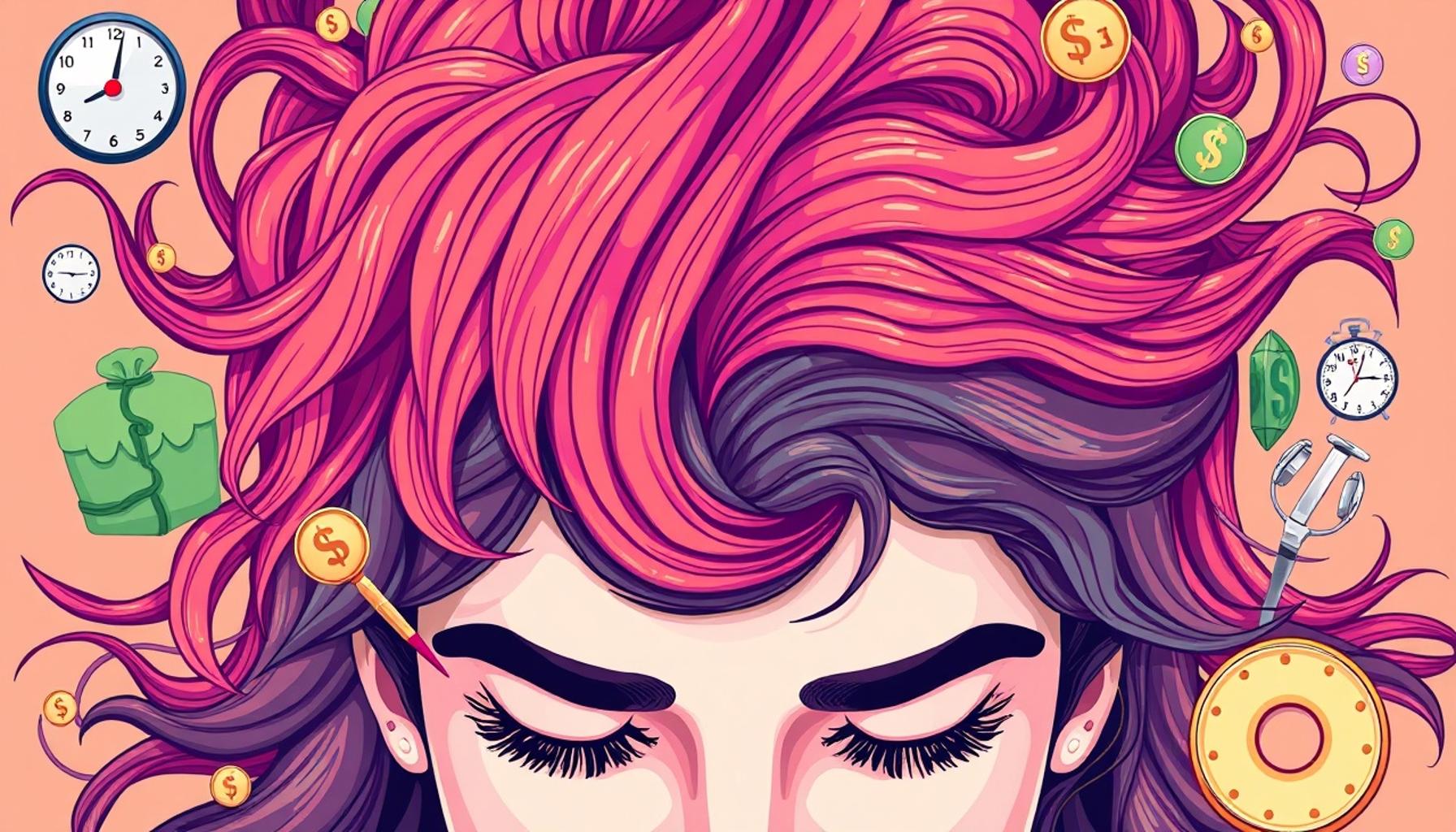
Understanding the Impact of Hair Damage
For many, hair is an integral part of personal identity. When hair suffers damage, whether from chemical treatments, heat styling, or environmental factors, the repercussions can extend beyond the physical. Aesthetic concerns often lead individuals to devote considerable time and resources toward hair care, making hair health a significant aspect of daily life.
The psychological effects of hair damage can be profound. A well-maintained hairstyle can boost confidence, while damaged hair can trigger negative emotions. The societal emphasis on polished appearances can lead to:
- Low Self-Esteem: Many individuals experience feelings of inadequacy when their hair does not meet societal beauty standards. This can manifest in increased self-criticism and body image issues.
- Anxiety and Stress: Concern over one’s appearance, especially when linked to hair issues, can lead to heightened levels of stress. Some may find themselves obsessively checking their hair or planning extensive routines to manage it, causing mental strain.
- Social Withdrawal: Damage may cause some people to limit social interactions, fearing judgment from others. This withdrawal can exacerbate feelings of loneliness and isolation, impacting overall quality of life.
Research suggests that society places immense importance on hair as a symbol of beauty and health. A study published in the Journal of Social Psychology highlighted how individuals who perceived their hair as unhealthy experienced lower life satisfaction overall. In the United States, where beauty norms are heavily influenced by media portrayals, a bad hair day can escalate into a bigger issue, affecting overall mental wellness.
Understanding the causes of hair damage is the first step toward recovery. Factors like over-processing from dyes, excessive heat application, and exposure to pollutants can lead to weakened strands and split ends. In addition, nutritional deficiencies, particularly in vitamins and minerals essential for hair health, can worsen these issues.
Fortunately, effective solutions for recovery exist. Deep conditioning treatments, which include natural oils like coconut and argan oil, can restore moisture and elasticity to damaged hair. Regular trims can prevent split ends from working further up the hair shaft, while balancing one’s diet can contribute to healthier hair growth. Additionally, embracing protective hairstyles can help shield hair from environmental stressors.
Join us as we delve deeper into this multifaceted topic, uncovering insights and strategies to improve not only your hair’s health but also your mental well-being. By understanding both the causes and implementing effective solutions, individuals can embark on a journey to not only repair their hair but to reclaim their confidence and self-worth.
DISCOVER MORE: Click here for valuable insights
The Emotional Toll of Hair Damage
Hair damage can introduce a cascade of emotional challenges that significantly influence an individual’s mental health. The connection between hair and identity is powerful; thus, when an individual perceives their hair as damaged or unmanageable, it can instigate an internal battle that echoes through various aspects of life. This emotional toll often includes heightened feelings of insecurity, anxiety, and social pressure.
A critical first step in understanding the psychological impact of hair damage is recognizing the concept of skin deep beauty standards prevalent in society. When hair struggles are compounded with unrealistic portrayals seen across social media and magazines, individuals can be ensnared in a damaging comparison game. To illustrate, a survey conducted by the American Psychological Association revealed that two-thirds of women consider hair health a crucial aspect of their self-image. Such statistics underline the immense pressure that people may feel regarding their hair, ultimately fostering a toxic cycle of self-doubt and insecurity.
Common Psychological Repercussions
- Increased Anxiety: The stress of maintaining hair can escalate to anxiety when individuals worry excessively about their appearance. They may find themselves avoiding public spaces or activities, deeply fearful of being judged because of their hair.
- Identity Crisis: People often link their hairstyle with their personality. When hair is perceived as damaged, individuals might struggle with their sense of self, leading to an identity crisis.
- Obsessive Behaviors: Some individuals develop compulsive habits related to hair care, constantly trying new products or techniques without seeing improvement, perpetuating a cycle of frustration.
Moreover, the link between hair appearance and mental health is particularly salient in cultures where beauty standards are heavily influenced by celebrities and influencers. One practical embodiment of this phenomenon can be seen in the rise of hair care products marketed with promises of transformative results. Many consumers adopting these products may experience momentary satisfaction; however, the underlying issues associated with hair damage often remain unaddressed, fostering an ongoing psychological struggle.
Embarking on the journey to repair hair damage is not solely a physical endeavor but an emotional one as well. It becomes crucial to reframe perspectives on beauty and self-worth, recognizing that intrinsic value comes from within. Implementing a holistic approach that addresses both external hair health and internal wellbeing holds the key to this transformative journey. By acknowledging the emotional effects of hair damage and seeking both practical solutions and psychological support, individuals can start reclaiming their confidence and enhance their overall quality of life.
The Psychological Effects of Hair Damage and the Journey to Repair
Hair damage can lead to significant psychological distress. Individuals often experience a drop in self-esteem and confidence, which can be exacerbated by societal beauty standards that emphasize healthy, luscious hair. The feeling of losing control over one’s appearance can result in anxiety and social withdrawal.
It’s essential to understand that the journey to repair, both emotionally and physically, encompasses various stages. Initial recognition of hair damage can bring about feelings of frustration. Individuals may engage in excessive styling or treatment attempts, often compounding the issue rather than resolving it. The cycle of hope and disappointment as they try different products can lead to emotional fatigue.
| Category | Details |
|---|---|
| Psychological Impact | Negative effects on self-esteem and body image |
| Emotional Journey | Cycle of hope, treatment attempts, and emotional fatigue |
| Rebuilding Self-Image | Awareness of damage leads to informed choices and gradual improvement |
| Community Support | Engagement with online forums and therapy offers essential guidance |
As individuals recognize the need for a change, engaging with professionals and supportive communities becomes a vital part of the healing process. Education about hair care, understanding the potential underlying causes of damage, and establishing a consistent care routine can empower individuals to reclaim their hair health. This journey requires patience, as effective hair repair not only addresses physical ailments but also restores emotional balance, allowing individuals to embrace their beauty authentically.
DIVE DEEPER: Click here to discover more about pH balance in hair repair products
Rediscovering Self-Confidence Through Hair Repair
As individuals begin to address the impact of hair damage on their emotional health, the journey toward hair repair can transform into an enlightening and empowering experience. Engaging with the fundamentals of self-care can facilitate not only hair restoration but also the reclamation of self-esteem. This realization is pivotal, as approximately 50% of individuals with hair concerns report a direct impact on their confidence levels.
The initial phase of hair repair often involves education and realistic expectations. Many consumers are inundated with a plethora of hair care products and treatments promising miraculous results. However, understanding the science behind hair health—such as the role of genetics, nutrition, and personal habits—can pave the way for informed decision-making. By adopting a more clinical perspective on hair care, individuals can cultivate patience and resilience, which are essential components of any restorative process.
The Role of Professional Guidance
Seeking out professional advice can play a crucial role in the hair repair journey. Licensed dermatologists and certified hair specialists can provide personalized recommendations, addressing the root causes of hair damage. This may include scalp assessments, tailored treatment plans, and advice on suitable hair care routines. Research indicates that individuals who consult with professionals are 60% more likely to attain satisfactory results compared to those who navigate their hair issues alone.
Moreover, the emotional dimension of hair repair should not be overlooked. Many professionals emphasize the importance of therapy, particularly cognitive behavioral therapy (CBT), in addressing underlying anxieties and identity issues related to hair. Acknowledging the psychological turmoil surrounding hair damage allows individuals to confront feelings of inadequacy and reshape their self-image, ultimately promoting healthier coping mechanisms.
Community and Support Networks
In addition to professional support, connecting with others who face similar challenges can be immensely beneficial. Support groups, whether online or in-person, encourage open dialogue among individuals experiencing hair damage. Sharing stories, tips, and strategies fosters not only camaraderie but also a sense of belonging, which can reduce feelings of isolation and shame. Research highlights that the sense of community can significantly lower anxiety levels, thereby enhancing one’s overall mental well-being.
Awareness campaigns, especially those run on social media platforms, advocate for hair positivity and self-acceptance. By celebrating diverse hair types and encouraging authentic representations, these movements empower individuals to embrace their natural beauty. As such, initiatives aimed at reframing societal beauty standards can shift perspectives and build confidence among people grappling with hair damage.
Building a Holistic Hair Care Routine
Incorporating mindfulness into hair care can also yield psychological benefits. Activities such as meditation, using aromatherapy hair products, or engaging in hair rituals can transform the mundane task of hair care into a rewarding self-care practice. Establishing a holistic routine that emphasizes relaxation and self-love helps individuals develop a healthier relationship with their hair and overall body image.
Ultimately, while the journey to repair hair damage can be fraught with emotional challenges, it also presents opportunities for personal growth, self-discovery, and renewed confidence. By combining practical strategies, professional guidance, community support, and mindfulness, individuals can embark on a transformative path that not only revitalizes their hair but also enriches their mental and emotional well-being.
DISCOVER MORE: Click here to learn about effective natural remedies
Conclusion: Embracing the Journey of Restoration
The psychological effects of hair damage are multi-faceted, deeply intertwined with self-image and mental well-being. As we have explored, the journey to repair is not just about restoring hair; it is a profound path toward rebuilding self-confidence and embracing one’s identity. Recognizing the impact that hair health has on psychological states is crucial, as it informs the approach one might take in addressing their concerns—both physically and mentally.
While the road may present challenges filled with emotional ups and downs, engaging in self-education, seeking professional guidance, and participating in community support can create a fulfilling experience of personal growth. The transformation is multi-dimensional; as individuals invest in their hair health, they concurrently cultivate resilience, patience, and self-acceptance. Importantly, the integration of practices such as mindfulness and therapy can positively influence this journey, leading to a healthier relationship with one’s body and self-image.
In a society that often imposes rigid beauty standards, celebrating diversity in hair types and textures emerges as a powerful counter-narrative. Initiatives focusing on hair positivity help frame the conversation around hair health, encouraging individuals to embrace their uniqueness. As awareness continues to build, those grappling with hair damage can find solace and strength in knowing they are not alone.
Ultimately, the pursuit of hair repair transcends mere aesthetics; it is an empowering opportunity for an enriched understanding of oneself. By prioritizing self-care and fostering a supportive environment, individuals can redefine their hair journey, emerging not just with healthier hair, but also with renewed confidence and an appreciation for their authentic selves.