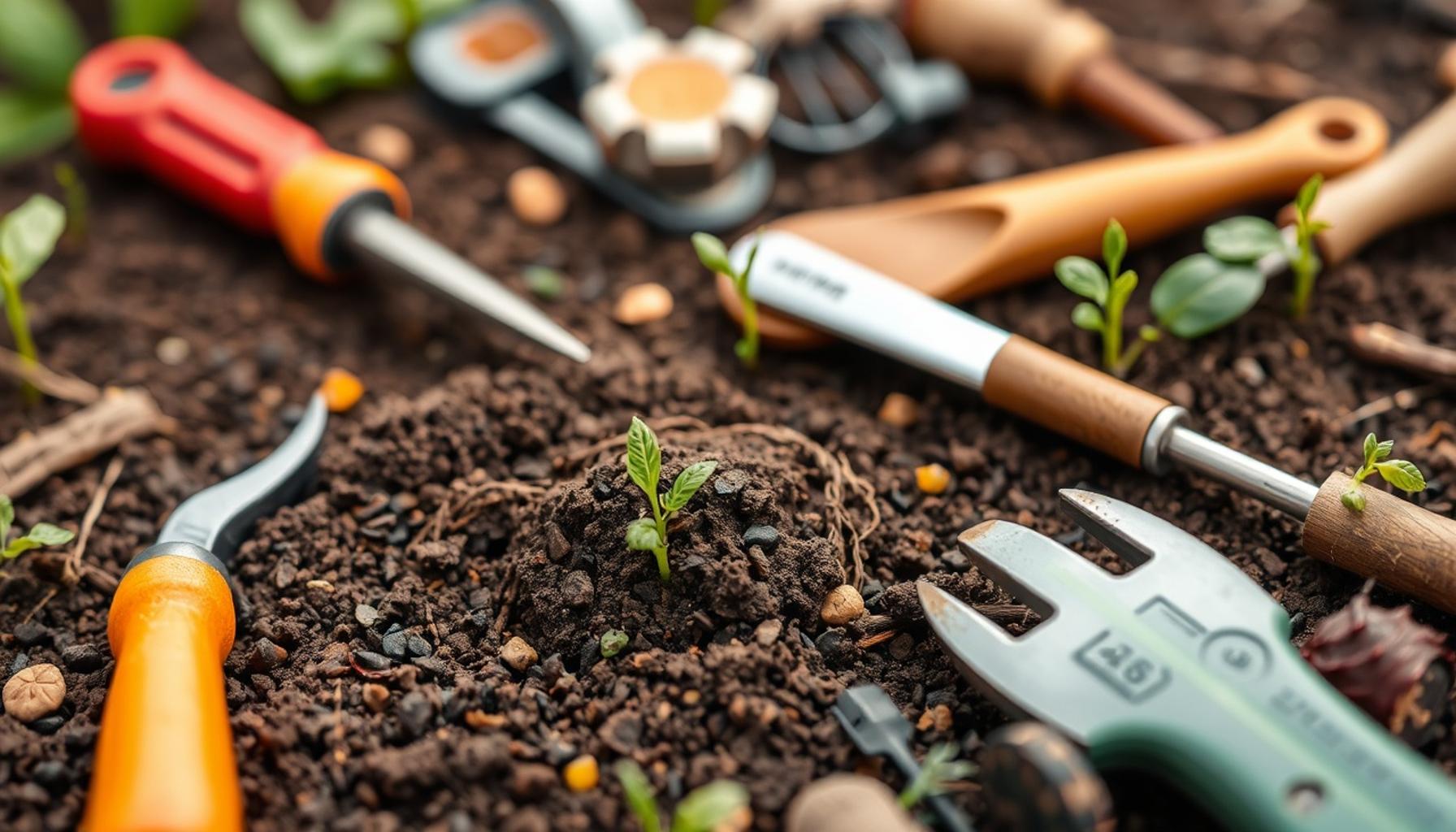
Essential Soil Preparation Ensure a Healthy Garden Bed

Gardening can be a rewarding and therapeutic hobby, but it requires some fundamental knowledge to get started. One of the most crucial steps for any aspiring gardener is understanding the significance of proper soil preparation. A well-prepared soil not only nourishes plants but also promotes healthy growth and yields, making it an essential foundation for your garden.
As a beginner, you might wonder why soil preparation is vital. Here are some key points to consider:
- Soil pH Levels: The right pH influences nutrient availability.
- Soil Texture: The balance between clay, sand, and silt affects drainage and aeration.
- Organic Matter: Incorporating compost enriches soil and fosters beneficial microorganisms.
- Weed Control: Properly prepared soil can suppress unwanted growth.
- Root Development: Healthy soil supports robust root systems for plants.
In this article, we will explore the top 5 essential tips for soil preparation that will set the stage for a vibrant and thriving garden. Get ready to dig deep into the world of soil health and ensure your gardening journey begins on the right foot!
Top 5: The Importance of Soil Preparation – How to Ensure a Healthy Soil for Your Garden
Embarking on a gardening journey can be an exciting yet daunting experience, especially if you’re unfamiliar with how essential proper soil preparation is. Healthy soil is the lifeblood of a successful garden, providing vital support to the plants it nurtures. Laying down the groundwork—quite literally—will ensure your budding gardening hobby flourishes. Delve into the top five insights highlighting why effective soil preparation stands at the core of vibrant plant growth.
5. Understanding Soil Composition
Grasping an intimate understanding of your soil’s composition marks the initial step in soil preparation. Soil is not mere dirt; it is a rich tapestry of minerals, organic matter, air, and water. Each component plays a pivotal role in determining plant health. Consider a spectrum where sandy soils offer excellent drainage but fall short on nutrient retention, whereas clay soils retain moisture but can stifle root expansion due to their density.
To customize your soil to foster lush growth, employ a soil test. This straightforward analysis reveals the pH levels, nutrient density, and organic material content in your soil. Such data empowers you to cater to your soil’s specific needs by amending it accordingly, ensuring it becomes a hospitable environment for your plants.
4. Enhancing Nutrient Content
Once you understand your soil’s composition, the next crucial step is bolstering its nutrient content. Nutrient-rich soil offers essential elements for photosynthesis, the process through which plants convert light into energy, driving robust growth.
Here’s how you can enhance your soil’s nutrient profile:
- Compost: Add compost, which functions like a natural superfood for your soil. It recycles organic waste, making nutrients readily accessible to plants.
- Mulching: Covering the soil with organic mulches, like straw or chipped bark, conserves moisture and enriches soil as it decomposes.
- Crop Rotation: Rotate different types of crops annually to naturally replenish nutrients that may be depleted by years of repeat planting.
Devoting time to enhancing your soil’s fertility promises a rich and bountiful harvest, rewarding your efforts tenfold.
3. Improving Soil Structure
The essence of any healthy garden lies in possessing supportive soil structure. Structure here refers to the arrangement of soil particles and how they cluster together, impacting how well air and water permeate through.
Soil compaction—a common issue—hampers water and nutrient flow, stunting plant development. Organic amendments like compost not only kick-start a boost in the structure but also enable plants to develop extensive root systems. Another effective technique is employing cover crops to naturally aerate and enrich your soil.
The outcome? A firm, friable soil structure that facilitates greater plant health and productivity.
2. Ensuring Proper Drainage
Ecological balance relies heavily on proper drainage to prevent root rot and similar moisture-related issues. Ideal garden soil maintains sufficient water saturation without crossing into sogginess. Prolonged saturation spells doom, often infecting root systems with debilitating diseases.
Raised beds emerge as a straightforward solution, elevating soil and streamlining drainage. Alternatively, you might mix sand or perlite into dense soils, enhancing their drainage capabilities. Achieving the coveted state of equilibrium ensures your plants receive the water they need, without overindulgence.
1. Establishing a Healthy Microbial Community
Topping the list is fostering a vibrant microbial community in your soil. If soil is alive, consider microbes its pulse. They play a transformative role in nutrient cycling, facilitating the breakdown of organic matter, thus supporting overall plant health.
Techniques encouraging microbial growth include incorporating compost, favoring reduced tillage to minimize soil disturbance, and shying away from chemical fertilizers which may inhibit beneficial microorganisms. This subterranean microbiome significantly bolsters nutrient uptake and disease resistance, leading to a resplendent and thriving garden.
In wrapping up, the profound impact of soil preparation on gardening success can’t be overstressed. From decoding soil composition to nurturing beneficial microbes, fertile soil directly translates to lush, fruitful growth. Through patience and diligence, your effort in preparing optimal soil will yield vibrant plants and abundant rewards. Embrace these principles, and transform your gardening pursuits into triumphs of nature’s beauty and bounty.
| Category | Advantages |
|---|---|
| Soil Fertility | Preparing the soil enhances its nutrient profile by incorporating organic matter, such as compost or manure, which enriches the soil and improves plant growth. |
| Water Retention | A well-prepared soil structure can improve water retention, which reduces the need for frequent irrigation and supports healthy plant hydration. |
| Soil Aeration | Proper soil preparation promotes better air circulation in the soil, which is critical for root development and overall plant health. |
| Disease Resistance | Healthy soil reduces the risk of plant diseases by supporting beneficial microorganisms that compete with harmful pests and pathogens. |
Frequently Asked Questions About Soil Preparation for a Healthy Garden
1. Why is soil preparation important for gardening?
Soil preparation is crucial because it creates the foundation for plant growth. A well-prepared soil ensures that plants receive the necessary nutrients, water, and oxygen for healthy development. Without proper soil preparation, plants may struggle to absorb nutrients, leading to poor growth and reduced yield.
2. How can I determine the type of soil in my garden?
You can determine your soil type by performing a simple texture test. Take a small handful of moistened soil and rub it between your fingers. Sandy soil feels gritty, clay soil feels sticky, and loamy soil feels smooth. Additionally, consider conducting a soil test to assess nutrient levels and pH balance, which can greatly impact plant growth.
3. What are some steps I should take to prepare my soil?
To prepare your soil, start by clearing the area of weeds and debris. Next, improve soil structure by adding organic matter such as compost or well-rotted manure. This enhances nutrient content and promotes moisture retention. Finally, use a tiller or garden fork to loosen the soil, allowing roots to penetrate more easily and improving aeration.
4. How often should I amend my garden soil?
You should aim to amend your garden soil at least once a year, ideally before planting season. If your soil is particularly poor, consider amending it more frequently by adding compost or fertilizers to help replenish nutrients and improve soil health over time.
5. Can poor soil affect plant diseases?
Yes, poor soil can indeed contribute to plant diseases. Plants growing in nutrient-deficient or poorly drained soil are more susceptible to stress, which weakens their immune systems and makes them more vulnerable to diseases. Preparing and maintaining healthy soil can help prevent disease outbreaks in your garden.
Conclusion
In creating a flourishing garden, the preparation of soil stands out as a fundamental element. Throughout this article, we have explored the vital components that make soil preparation so indispensable for successful gardening. Ensuring a healthy soil not only lends support to your plants but enriches them, promoting lush growth and abundant yields.
As highlighted, the five central aspects of soil preparation include understanding soil types, enhancing soil structure, ensuring optimal drainage, knowing the importance of pH balance, and utilizing organic matter. First, recognizing your soil type enables you to tailor your practices for improvement, whether it be sandy, clay, or loamy. Secondly, the structure of the soil impacts the roots and their ability to absorb nutrients. Effective amendments can transform weak soil into a nurturing foundation.
Moreover, drainage plays a critical role, as over-saturation is detrimental, while a balanced pH keeps the nutrients within reach for plant roots. Organic matter, on the other hand, enriches the entire ecosystem, introducing beneficial organisms and increasing nutrient availability.
Gardening and growing at home, especially for beginners, is enriched by a focus on soil preparation. The insights shared here serve as a blueprint for cultivating healthy, vibrant gardens. Continuing to invest time and effort in understanding the land’s requirements sets the stage for thriving plants that beautify your surroundings and nourish your senses. The importance of soil preparation cannot be underestimated, as it lays the groundwork for everything that follows—a garden that is resilient, sustainable, and rewarding.