Using Companion Planting to Deter Pests in Your Home Garden

The Advantages of Companion Planting in Your Garden
Gardening enthusiasts have long been in search of natural remedies to combat the various challenges they face, particularly when it comes to pest management. One increasingly popular tactic is companion planting, a strategy that taps into the symbiotic relationships among different plant species. By understanding and implementing these relationships, gardeners can cultivate a thriving ecosystem right in their backyards.
One of the most significant advantages of companion planting is that it serves as a source of natural pest deterrents. Many plants possess attributes that can repel harmful insects and minimize infestations. For example, the vibrant marigold flower emits a scent that hinders nematodes and other pests from troubling your vegetable plants. Similarly, the strong aroma of basil not only enhances culinary dishes but also naturally repels flies and mosquitoes, making it an ideal companion near tomato plants, which are often prone to these pests.
Additionally, companion planting contributes to improved soil health. Certain plants enrich the soil with essential nutrients, enhancing its structure and fertility. Leguminous plants, such as clover or beans, are well-known for their ability to fix nitrogen in the soil. This natural fertilization process supports the growth of neighboring plants, ensuring they have the vital nutrients needed to flourish. In the long run, this reduces the need for synthetic fertilizers, fostering a healthier environment.
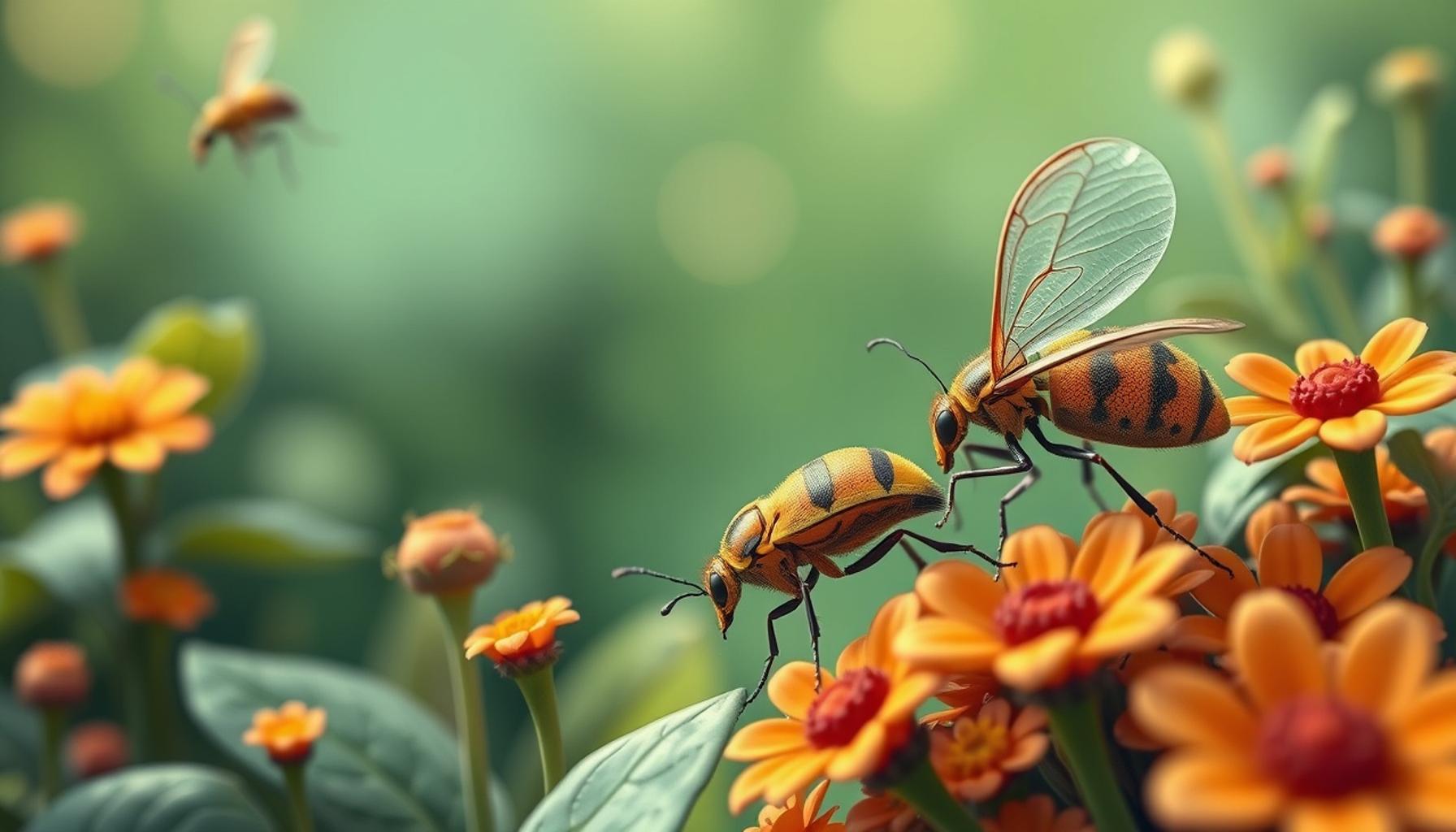
Another notable benefit of companion planting is the potential for increased biodiversity. A diverse garden is not only visually appealing but also essential for attracting beneficial insects like ladybugs, lacewings, and predatory wasps. These insects play a crucial role in controlling pest populations, effectively acting as nature’s very own pest control agents. For instance, planting dill or yarrow can draw these helpful insects to your garden, promoting a balance that minimizes the need for chemical interventions.
As you explore the myriad possibilities within companion planting, consider combinations that align with your specific garden goals. From the classic trio of tomatoes, basil, and marigolds to the symbiotic relationship between carrots and onions, the options are plentiful. Each pairing presents a unique opportunity to bolster plant growth while managing pests naturally.
In conclusion, by adopting companion planting strategies, you can create a vibrant, productive, and pest-free garden. This approach not only enhances plant health but also encourages sustainable gardening practices that resonate with those looking to nurture their green spaces. Engage in this fascinating world, and you may uncover countless combinations and benefits that will transform your gardening journey.
LEARN MORE: Click here to discover essential gardening tips
A Deeper Dive into Companion Planting Techniques
As the interest in sustainable gardening continues to grow, the art of companion planting has emerged as a prominent method for controlling pests naturally. This age-old practice not only enhances the aesthetics of your garden but also serves as a proactive defense against unwanted insects. By pairing certain plants together, gardeners can leverage their natural properties to create an integrated pest management system that saves time, effort, and even resources.
Understanding how plants interact is key to mastering companion planting. Many herbs, flowers, and vegetables have specific qualities that can either attract or repel certain insects. To make the most of these interactions, here are some powerful companion pairings to consider:
- Tomatoes and Basil: Beyond culinary delights, basil is a fantastic companion to tomatoes as it repels aphids, whiteflies, and spider mites while enhancing the flavor of the tomatoes themselves.
- Carrots and Onions: The scent of onions can deter carrot flies. When planted near carrots, onions can significantly reduce the risk of infestation and lead to healthier growth.
- Marigolds and Vegetables: Marigolds contain compounds that repel nematodes and other harmful pests. Surrounding your vegetable patches with vibrant marigolds can create a natural barrier against common garden threats.
- Squash and Nasturtiums: Planting nasturtiums among your squash can attract aphids away from the squash plants, functioning as a natural pest trap.
It’s also essential to consider plant heights and root structures when planning a companion planting layout. Taller plants can provide shade for more delicate species, while deeper-rooted plants can help aerate the soil and improve nutrient uptake for shallow-rooted companions.
Another fantastic advantage of companion planting lies in its capacity to enhance pollination. For example, planting flowering herbs like borage and bee balm can attract pollinators such as bees and butterflies, which are critical for the successful reproduction of a variety of garden plants. This not only helps with pest control by promoting a balanced ecosystem but also ensures that your flowering and fruiting plants receive the necessary visitation from these beneficial insects.
The benefits of implementing companion planting are vast, but achieving a symbiotic garden environment requires careful planning and experimentation. It’s essential to observe how different plants interact and adapt your strategy accordingly. By attentively monitoring the health of your plants and the presence of pests, you can discover which combinations yield the best results for your unique home garden.
As you embark on your companion planting journey, remember that the integration of different plant species can offer effective and rewarding solutions for pest management while fostering a vibrant garden ecosystem.
| Companion Plant | Pest Deterrence Benefits |
|---|---|
| Marigolds | Emit a strong scent that repels nematodes and aphids, enhancing the health of neighboring plants. |
| Basil | Known to repel flies and mosquitoes while attracting beneficial pollinators, thus reducing pest populations significantly. |
| Nasturtiums | Act as a trap plant by attracting aphids away from more vulnerable crops, effectively minimizing damage. |
One of the most rewarding aspects of using companion planting is learning how to utilize nature’s allies to create a thriving garden environment. Companion planting offers not only protection from pests but also improves biodiversity, enhances nutrient uptake, and promotes stronger plant growth. For instance, marigolds are an excellent choice as they provide a natural barrier against soil-borne pests like nematodes while giving your garden a vibrant splash of color. Similarly, incorporating basil into your garden can work wonders, offering a dual advantage of deterring flies and attracting essential pollinators like bees. Nasturtiums, with their striking flowers, serve as a functional trap for aphids, drawing them away from your crop plants and safeguarding their growth. By strategically pairing different plants, you create a synergistic environment that naturally limits pest populations and enhances the overall vigor of your garden.
DISCOVER MORE: Click here for essential soil preparation tips
Maximizing the Benefits of Companion Planting
To truly harness the power of companion planting, gardeners must explore not only beneficial plant pairings but also the timing and arrangement of their garden. The concept of crop rotation plays a crucial role in maintaining soil health and minimizing pest outbreaks. By changing the location of your plant families each growing season, you can disrupt pest life cycles and prevent the buildup of harmful organisms in the soil. For instance, following a heavy-feeding crop like tomatoes with a nitrogen-fixing legume such as beans can improve soil fertility while reducing the risk of soil-dwelling pests.
Another element to consider is the concept of intercropping, which involves planting two or more crops in proximity for mutual benefits. This can lead to increased yields while levels of pest damage decline. For example, the combination of corn, beans, and squash—often referred to as the “Three Sisters”—creates a micro-ecosystem that supports a balance of nutrients: the tall corn provides support for the climbing beans, while squash plants cover the ground, reducing weed growth and moisture loss.
It is also essential to incorporate companion herbs into your planting strategy. Some herbs not only deter pests but also attract beneficial insects. For instance, dill can attract ladybugs and lacewings, which are natural predators of aphids. Similarly, planting coriander can attract hoverflies, whose larvae feed on various pest insects. By combining herbaceous plants with vegetables, you create a layered approach to pest control that enhances biodiversity in your home garden.
Moreover, the timing of your planting can be a game-changer. Early planting of certain flowers like zinnias or cosmos can establish a food source for pollinators before vegetables start flowering, increasing pollination rates when you need them most. Utilizing this strategy can boost your vegetable yields while simultaneously keeping pests at bay.
Familiarizing yourself with the life cycle of pests and their natural predators is another essential aspect of companion planting. Some plants, such as fennel, can attract predator insects, but they can also repel beneficial insects if grown in the wrong location. Planting them away from sweetness-loving crops might allow pest predators to thrive without interference.
If you’re looking to expand your understanding of companion planting’s advantages, consider utilizing digital tools and resources. Numerous online databases and gardening apps exist that allow you to explore compatible plant pairings and their effects on pest populations. Whether you are a novice gardener or a seasoned expert, research and collaboration can greatly enhance your gardening techniques.
Lastly, observe how your garden evolves. Documenting your plants’ interactions can yield valuable insights into which pairings or arrangements work best in your specific environment. The dynamic nature of home gardening means that what works this season may vary next year, so adaptiveness is vital to sustaining a healthy and pest-resistant garden.
DISCOVER MORE: Click here to learn about low-maintenance flowering plants
Bringing It All Together: The Power of Companion Planting
In conclusion, companion planting offers home gardeners a sustainable and effective method to deter pests while enhancing their garden’s health and productivity. By understanding the intricate relationships between plants, as well as the roles of timing, crop rotation, and intercropping, you can create a thriving ecosystem that naturally minimizes pest issues. Using combinations like the “Three Sisters” or integrating companion herbs not only bolsters your defenses against unwanted insects but also improves soil fertility and encourages biodiversity.
Moreover, the integration of flowering plants for pollinator support elevates this method, amplifying your garden’s yields and resilience. Taking the time to learn about pest life cycles and their natural predators will enable you to craft more effective strategies tailored to your specific environment. As you embrace the dynamic nature of your garden, documenting observations will provide valuable insights for future growing seasons.
Finally, don’t hesitate to leverage the wealth of online resources available today to expand your knowledge of companion planting. Whether you’re just starting or looking to refine your gardening skills, this approach may lead you to discover new relationships that can transform your home garden. With patience and creativity, you can cultivate a thriving space that provides not only fresh produce but also a harmonious balance with nature’s intricate web of life.