Creating a Pest-Resistant Garden: Tips for Beginners
Welcome to the World of Pest-Resistant Gardening
Creating a thriving garden can feel overwhelming, especially for beginners who may not be prepared for the pest problems that arise. However, with the right knowledge and strategies, you can establish a pest-resistant garden that thrives and flourishes without relying heavily on chemical interventions. By cultivating an understanding of your plants and local environment, you can create an oasis that not only supports your gardening dreams but also promotes ecological balance.
Why Focus on Pest Resistance?
Establishing a pest-resistant garden offers a variety of advantages that can enhance both your gardening experience and the health of your garden ecosystem. Among these benefits are:
- Healthier Plants: When plants are well-suited to their environment, they develop robust growth that is inherently more resistant to pests. For instance, tomato plants that are nurtured in their optimal conditions often produce higher yields despite occasional pest invasions.
- Environmental Safety: By minimizing the use of chemical treatments, you help preserve beneficial insects like ladybugs and bees that play crucial roles in pollination and pest control. Moreover, healthier soil thrives without chemical interference, allowing natural soil organisms to flourish.
- Sustainable Practices: Building a pest-resistant garden fosters a long-term approach to gardening that aligns with practices promoting sustainability. This holistic viewpoint not only aims to create a picturesque garden but also protects local biodiversity for future generations.
As you embark on this journey, there are several vital strategies to adopt that can effectively keep pests at bay while allowing your garden to flourish:
- Choose Native Plants: Native species are generally more resilient to local pests due to their evolutionary adaptations. For example, incorporating plants like coneflowers or black-eyed Susans can attract beneficial insects that naturally predate pests.
- Companion Planting: This ancient practice involves pairing plants that can naturally deter pests. For instance, marigolds are renowned for repelling nematodes and aphids, making them an ideal companion for vegetable plots.
- Regular Monitoring: Keeping an attentive eye on your garden for signs of pest activity is crucial. Early identification, such as noticing leaf damage or larval presence, allows for timely intervention—be it hand-picking pests or using organic remedies.
In the following sections, you will dive deeper into these concepts, establishing a solid foundation for a sustainable and vibrant gardening experience. Whether you aim to grow vegetables, cultivate ornamental flowers, or create an herb garden, embracing pest resistance will transform your gardening practices and contribute positively to the environment. Delve into the myriad benefits of pest-resistant gardening, and discover how you can cultivate a flourishing green sanctuary right in your backyard.
DON’T MISS: Click here for essential soil preparation tips
Essential Strategies for a Pest-Resistant Garden
Embarking on your gardening journey with the objective of establishing a pest-resistant garden requires not just enthusiasm but also an understanding of fundamental techniques that nurture plant health and deter unwanted pests. As a beginner, it is essential to equip yourself with knowledge and strategies that will serve as the backbone of your pest resistance efforts. Below are vital considerations and methods to implement in your garden:
1. Start with Healthy Soil
Healthy soil is the cornerstone of any successful garden. Rich, organic matter enhances the soil’s nutrient content, promotes diverse microbial life, and strengthens plants’ root systems, making them less susceptible to pests and diseases. Start by incorporating compost or aged manure before planting. This not only boosts soil vitality but also ensures your plants receive essential nutrients throughout their growing stages. Additionally, practicing crop rotation can help prevent pests and diseases by disrupting their life cycles, giving your soil a chance to recover.
2. Plant Diversity Matters
Diversity in your garden can greatly minimize the risk of pest infestations. When you plant a variety of species rather than focusing solely on a single crop, it creates a more balanced ecosystem that can withstand pest pressures. Consider incorporating both annuals and perennials, as well as a mixture of flowers, herbs, and vegetables. This practice not only attracts beneficial insects but also confuses pests, making it harder for them to locate their preferred food sources. Some useful plant combinations include:
- Vegetables with Companion Flowers: Pairing basil with tomatoes can improve growth and flavor while discouraging pests.
- Herbs for Defense: Dill and fennel can attract predatory insects that will hunt down aphids and caterpillars.
- Varied Flower Types: Flowers such as yarrow and dill are not only ornamental but also serve to lure in pollinators and beneficial insect allies.
3. Attract Beneficial Insects
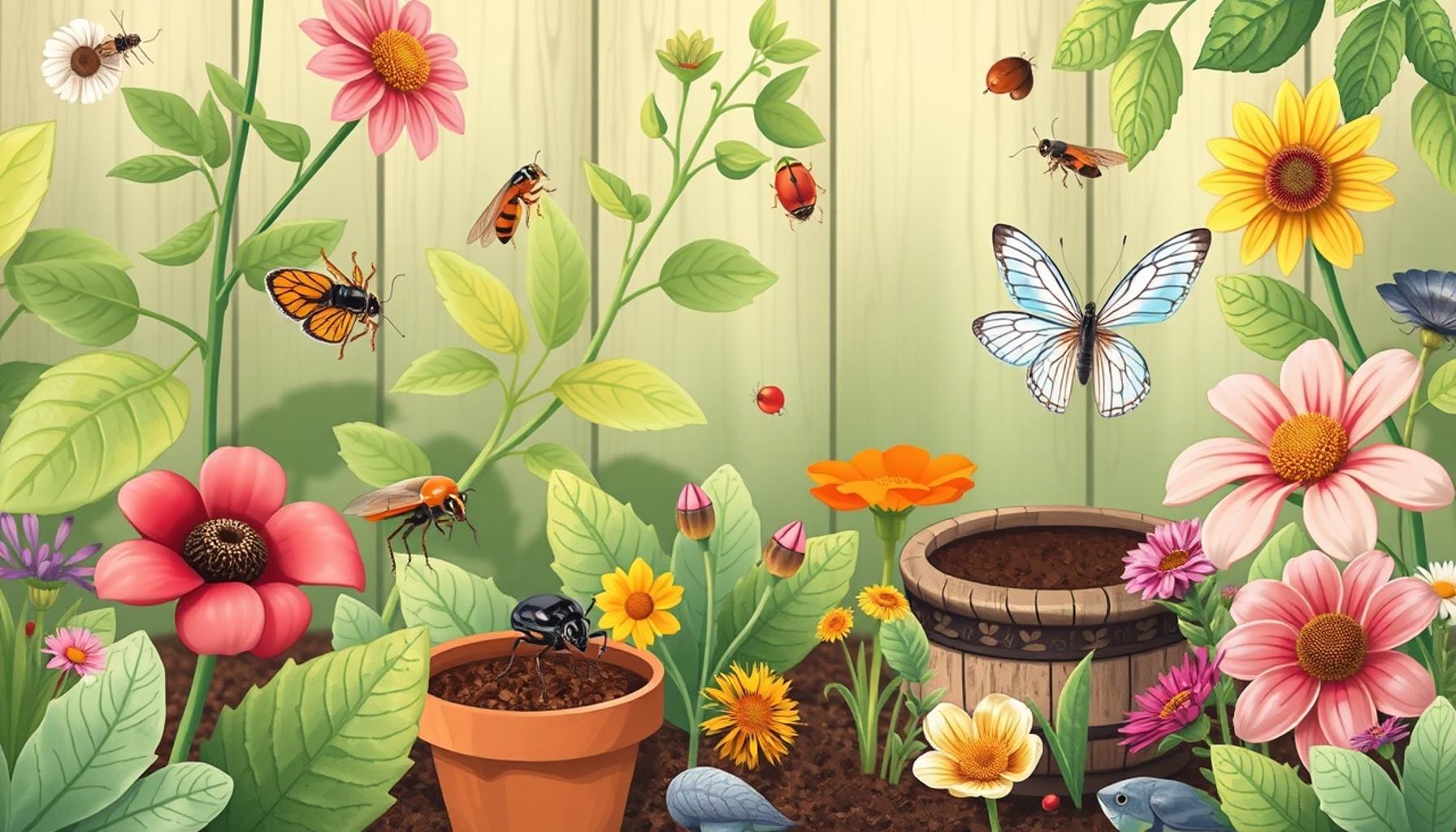
Creating a pest-resistant garden is not only about repelling unwanted guests but also about welcoming allies. Beneficial insects, such as ladybugs, lacewings, and predatory wasps, can naturally control pest populations. You can entice these helpful creatures by planting a selection of nectar-rich flowers—like dill, fennel, and marigolds—known for attracting beneficial insects. Furthermore, providing small habitats or shelters, such as insect hotels, can encourage them to reside in your garden.
As you implement these foundational strategies, remember that patience and vigilance are key. Regular observation of your garden will enable you to catch any problems early on and make informed decisions. With a firm commitment to creating a pest-resistant garden, you’ll discover the rewarding experience of nurturing healthy plants and contributing positively to your local ecosystem.
| Advantage | Explanation |
|---|---|
| Natural Pest Control | Utilizing beneficial insects such as ladybugs and lacewings to manage pest populations. |
| Diverse Plant Selection | Incorporating a variety of plants can naturally deter pests and promote biodiversity. |
| Healthy Soil | Improving soil health through composting leads to stronger plants that are less susceptible to infestations. |
| Companion Planting | Pairing plants strategically can repel pests and enhance growth. |
| Observation and Intervention | Frequent monitoring of plants allows for early detection and prompt treatment of pests. |
Creating a pest-resistant garden involves implementing strategies that not only protect your plants but also contribute to a thriving ecosystem. Natural pest control uses beneficial insects that predate on harmful pests, making them essential allies in your gardening efforts. Alongside this, a diverse plant selection can attract various beneficial insects while minimizing the likelihood of pests becoming established.Moreover, cultivating healthy soil through organic practices, like composting, enhances plant resilience, allowing them to better withstand pest pressures. Embracing techniques such as companion planting further promotes a harmonious garden environment, where certain plants support each other while repelling pests naturally. Finally, mastering the art of observation and intervention is crucial; regularly inspecting your garden helps you catch problems early, ensuring your plants remain healthy and protected. By incorporating these methods, beginners can create a flourishing garden that minimizes the impact of pests, encouraging growth and beauty in their outdoor spaces.
DISCOVER MORE: Click here for eco-friendly tips
Natural Pest Control Methods
Equipping yourself with practical natural pest control methods can significantly enhance your pest-resistant garden without relying on harsh chemicals. Understanding the variety of organic solutions available allows you to make informed choices that benefit both your plants and the environment. Implementing these measures will not only deter pests effectively but also promote the overall health of your garden ecosystem.
1. Homemade Sprays
One effective approach to combat garden pests without resorting to synthetic pesticides is the use of homemade sprays. These solutions can often be crafted with simple household ingredients. For instance, a mixture of water and dish soap can be effective against soft-bodied insects like aphids. Combine one tablespoon of dish soap with a quart of water, then spray it directly onto infected plants, ensuring to coat both the tops and undersides of leaves. Another powerful concoction involves blending garlic and hot pepper in water to create a repellent that can deter various pests while being harmless to your plants.
2. Essential Oils as Deterrents
Essential oils carry potent insect-repelling properties that can serve as an additional layer of defense. Oils such as peppermint, neem, and tea tree are particularly effective. You can create a spray by diluting these oils in water and a few drops of soap, which can help emulsify the mixture. Spraying this solution around your plants not only wards off pests but also adds aromatic qualities to your garden space. Moreover, these natural oils are increasingly recognized for their ability to disrupt the reproductive cycles of pests, potentially reducing future populations.
3. Incorporate Physical Barriers
Physical barriers offer a straightforward yet effective means to protect your plants from pests. Utilizing materials like row covers, netting, or even fine mesh can shield vulnerable seedlings from insects while still allowing sunlight and precipitation to nourish them. Be sure to secure these barriers against winds and ensure they have adequate ventilation to prevent humidity buildup, which could lead to fungal issues. Additionally, consider using copper tape around pots to deter slugs and snails, as these creatures are repelled by the metal’s reaction with their slime.
4. Monitoring and Management
Paying attention to your garden ecosystem is crucial for successful pest management. Regular monitoring not only allows you to spot potential pest outbreaks early on but also equips you with the data needed to make informed choices about pest control strategies. Creating a pest observation schedule can help you track pest populations over time. Moreover, familiarizing yourself with beneficial insects, such as spiders or predatory beetles, can help distinguish between helpful species and harmful pests. The more you observe, the more you will enhance your capabilities in sustaining a thriving, pest-resistant garden.
As you explore these natural pest control methods, remember that fostering an environment where plants can thrive is paramount. Each approach offers unique benefits, and when combined, they can create a robust defense against pest invasions while ensuring your gardening efforts remain sustainable and eco-friendly. You may even find yourself enjoying the process of discovering new and effective techniques along the way!
DISCOVER MORE: Click here to uncover beginner-friendly plants
Conclusion
In conclusion, creating a pest-resistant garden is not just an opportunity to cultivate beautiful plants, but also a chance to embrace a sustainable and eco-friendly approach to gardening. By leveraging natural pest control methods, from homemade sprays to essential oils and physical barriers, you can significantly reduce the reliance on synthetic pesticides, all while promoting a healthy ecosystem. Regular monitoring of your garden helps you learn about the dynamics of pest populations and can lead to more effective management strategies.
As beginners, it’s essential to remember that success in gardening often involves patience and experimentation. Try different techniques and observe how they affect both pests and your plants. Don’t shy away from documenting your findings as this will deepen your understanding and improve your pest management skills over time. Additionally, consider joining local gardening groups or online forums to share experiences and gather insights specific to your region, since pest challenges can vary across the United States.
Ultimately, by cultivating a diverse plant selection and encouraging beneficial insects while utilizing thoughtful pest deterrents, you are well on your way to achieving a thriving and pest-resistant garden. Embrace the journey of gardening as a dynamic learning experience, and you’ll find joy in nurturing your green sanctuary while protecting it from unwanted invaders.