Watering Wisely: Best Practices for Beginner Gardeners
Understanding the Importance of Watering
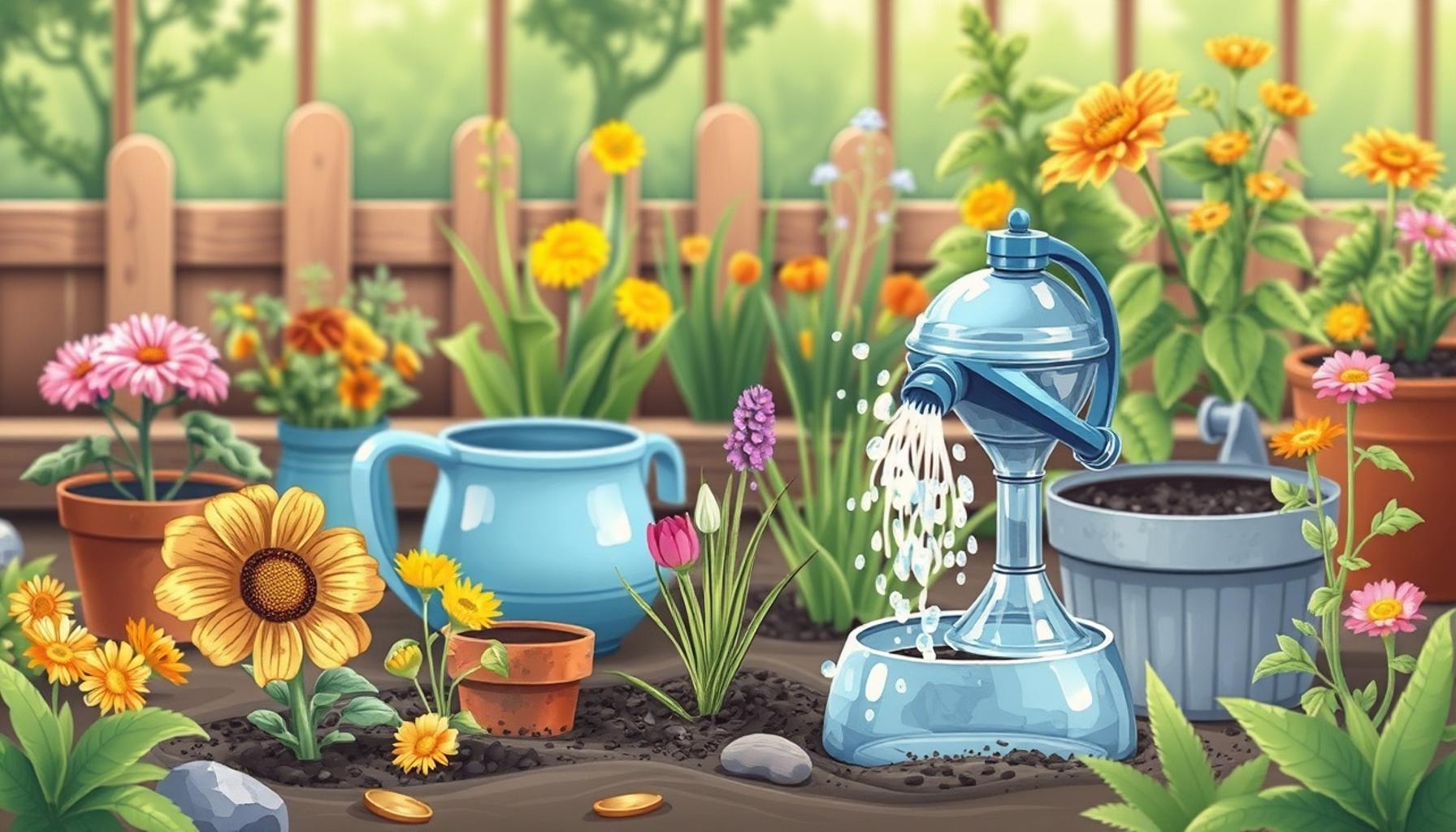
For beginner gardeners, mastering the art of watering can be both challenging and rewarding. It’s not just about dousing plants with water; understanding their needs is crucial to foster healthy growth. As novice gardeners embark on their journey, it’s essential to grasp the nuances of adequate hydration to avoid common pitfalls.
Timing is one of the critical aspects of successful watering. Watering in the early morning or late afternoon is preferable, as these cooler times minimize evaporation, ensuring that plants can absorb the moisture effectively. For instance, watering at 10 AM when the sun is high can lead to quicker water loss due to evaporation. A good strategy is to make it a routine—set a reminder to check your garden each morning, as early risers can also enjoy the tranquility of nature waking up. Furthermore, observing local weather patterns can enhance this strategy; early summer mornings often present a unique blend of dew and moisture in the air that can benefit young plants.
The method of watering is another factor to consider for effective plant hydration. Techniques like drip irrigation or soaker hoses are excellent choices for delivering moisture directly to the roots where it’s needed most. These methods reduce water waste by allowing liquid to permeate the soil slowly, which can be particularly advantageous in regions striving to conserve water, such as California. For example, a household with a vegetable garden might find that installing a simple drip system not only saves water but also results in better crop yields. With less surface evaporation, plants remain hydrated longer, promoting robust development.
An understanding of your garden’s soil type can dramatically impact your watering practices. For instance, sandy soils drain quickly and may require more frequent watering, whereas clay soils retain moisture for extended periods, potentially leading to waterlogged conditions if overwatered. Conducting a simple soil test can help discern the composition of your garden soil, allowing you to tailor your watering schedule accordingly. Many local extensions or gardening centers provide free soil testing services as a resource for novice gardeners. Also, learning about your geographical zone’s typical rainfall patterns can inform about natural watering cycles and inform your irrigation schedule.
Learning to water wisely impacts not only plant health but also water conservation efforts. With increasing concerns over water scarcity and environmental sustainability, adopting good watering practices is more important than ever. This commitment contributes to broader ecological efforts, promoting a balanced relationship with natural resources. Many urban gardening initiatives have arisen to combat water wastage, incorporating rainwater harvesting and greywater recycling as innovative methods to optimize water use.
Equipped with this knowledge and understanding of the vital components of watering, novice gardeners can cultivate a flourishing space while being responsible stewards of water. As you embark on your gardening journey, embrace these watering practices to ensure that your garden not only thrives but also contributes positively to environmental sustainability.
DISCOVER: Click here to learn more about identifying garden pests
Getting to Know Your Plants’ Needs
As you delve deeper into gardening, becoming familiar with the unique water requirements of your plants will significantly enhance your gardening experience. Different plants exhibit varying tolerances to moisture levels, and understanding these differences is crucial in maintaining a healthy garden ecosystem. For instance, while succulents thrive in arid conditions, many vegetables and flowers like tomatoes and petunias flourish with more consistent moisture.
Assessing Plant Needs
The journey to watering wisely starts with evaluating your plants. Here’s a quick guide to help you identify the water needs of common garden plants:
- Succulents and Cacti: Require minimal watering; allow the soil to dry out completely between sessions.
- Herbs: Generally moderate; most do well with consistent moisture but don’t thrive in waterlogged conditions.
- Vegetables: Need regular watering, especially as they begin to produce fruit; check soil moisture regularly.
- Flowers: Daily observations are beneficial; flowering plants often require more water during blooming cycles.
By observing how often lingering moisture remains in the soil, gardeners can better tailor their watering practices. A simple finger test can gauge soil moisture—insert a finger about an inch deep into the soil; if it feels dry, it’s time to water. The goal is to create a balanced environment where plants receive their necessary hydration without risking overwatering.
Implementing Smart Practices
In addition to understanding individual plant needs, incorporating smart watering practices can maximize efficiency. For beginner gardeners, it’s beneficial to employ techniques that increase water absorption and minimize waste:
- Mulching: Applying a layer of mulch around your plants helps retain moisture, regulates soil temperature, and suppresses weeds.
- Soil Amendment: Improving soil structure with organic matter can enhance its moisture retention capabilities—compost is particularly useful in this regard.
- Watering Method: Use a watering can or a garden hose with a nozzle to direct water precisely at the plant roots, reducing waste.
Another consideration is the use of moisture sensors, which can help monitor soil moisture levels at various depths. These tools alert gardeners when it’s time to water, ensuring that plants are neither over nor under-watered, thereby promoting robust growth.
By familiarizing yourself with your plants’ hydration habits and employing smart practices, you set a foundation for a flourishing garden. As you continue on your gardening journey, remember that patience and observation are paramount; each garden is unique, and learning through experience will ultimately lead to a thriving outdoor sanctuary.
Watering Wisely: Best Practices for Beginner Gardeners
As a beginner gardener, understanding the significance of effective watering techniques is pivotal to the success of your garden. A well-watered garden promotes healthy plant growth and enhances their resilience against pests and diseases. Below, we delve into some best practices that can help you achieve the most from your watering efforts.
| Watering Techniques | Benefits of Proper Watering |
|---|---|
| Drip Irrigation | Efficient water use reduces evaporation and runoff, ensuring more water reaches plant roots. |
| Mulching | Presents moisture retention, protecting soil from temperature extremes and reducing weed growth. |
| Time of Day | Watering in early morning minimizes evaporation losses and prepares plants for the heat of the day. |
| Soil Testing | Data-driven watering ensures plants receive the perfect amount based on their specific needs. |
By implementing these best practices, beginner gardeners can cultivate a thriving garden, resulting in vibrant blooms and healthy harvests. Delve deeper into each technique to enhance your gardening journey.
LEARN MORE: Click here for essential soil preparation tips
Understanding Watering Timing and Techniques
Watering your garden is not just about how much you give; timing is equally vital to ensure your plants thrive. Most gardeners may not realize that the best time to water is early in the morning or late in the evening. During these hours, temperatures are cooler, reducing evaporation significantly. This means that the moisture can penetrate the soil more effectively, reaching the roots where it is needed most.
Knowing When to Water
Beyond timing, understanding local weather patterns can further refine your watering strategy. Pay attention to rainfall forecasts; if rain is predicted, there’s no need to water. Conversely, during hotter periods, your plants may require more frequent watering. A general rule of thumb is that plants need about one inch of water per week, either from rainfall or supplemental watering. Monitoring your plants’ appearance provides additional indicators. If leaves appear wilted or discolored, it’s a clear sign that your plants may require hydration.
Watering Techniques to Experiment With
As you grow more confident in your gardening skills, exploring different watering techniques can improve the health of your plants considerably. Here are some popular methods that beginner gardeners can consider:
- Drip Irrigation: This technique delivers water directly to the roots through a system of tubes, allowing for efficient water usage. It minimizes evaporation and runoff, making it a sustainable choice for gardeners.
- Soaker Hoses: A more budget-friendly option, soaker hoses lay on the ground surface and emit water slowly along their length. They are effective for keeping the soil evenly moist.
- Rain Barrels: Collecting rainwater is an eco-friendly practice that not only saves costs but also provides plants with chlorine-free water. It’s a great way to consider sustainability while gardening.
Advanced Tips for Precision Watering
For those who want to take their watering practice a step further, a few advanced tips can provide even better results. Smart irrigation systems, for example, can be programmed to monitor soil moisture and adjust watering schedules accordingly. These high-tech solutions ensure that your plants receive just the right amount of water, reducing waste and promoting healthy growth.
Additionally, consider using watering gauges to measure the amount of water your plants receive. These useful tools can help you determine how much water needs to be applied, ensuring that you do not overwater or underwater your crops.
Finally, always remember the impact of soil type on watering. Different soil types will retain water differently—clay soils hold moisture longer than sandy soils, which drain quickly. By understanding your soil’s characteristics, you can adjust your watering practices effectively.
Incorporating these techniques not only keeps your plants healthy but also instills a sense of responsibility towards environmental conservation. By watering wisely, you’re not only growing beautiful gardens but also becoming a steward of the land. Journey on, eager gardeners—you are just beginning to uncover the secrets of effective watering practices that will define your gardening success.
DISCOVER MORE: Click here for essential tips on identifying garden pests
Understanding the Importance of Effective Watering Practices
As beginner gardeners embark on their horticultural journey, mastering the art of watering wisely is crucial to achieving a flourishing garden. Proper watering techniques not only contribute to the health and longevity of your plants but also enhance your overall gardening experience. An essential aspect to consider is understanding optimal watering times. Generally, early morning is the best time to water, as temperatures are cooler, reducing evaporation and allowing plants to absorb moisture before the day’s heat sets in.
Recognizing weather patterns is similarly vital. For example, if you’re in a region prone to summer thunderstorms, it’s prudent to monitor forecasts closely. Perhaps you only need to water your garden once a week rather than daily during rainy weeks. Observing these shifts can lead to smarter decisions regarding when and how much to water your plants.
Exploring Various Watering Techniques
Experimenting with effective watering techniques can significantly enhance your gardening experience. For instance, investing in advanced tools like smart irrigation systems can automate your watering schedule based on real-time weather data. Alternatively, more accessible options, such as soaker hoses and rain barrels, can be incredibly effective for conserving water while providing hydration to your plants. Soaker hoses deliver water directly to the soil at root level, minimizing water wasted through evaporation, while rain barrels capture rainfall for reuse in dry spells.
Embracing Sustainable Practices
Remember that good watering practices extend beyond simply ensuring your plants are well-hydrated; they also contribute to sustainable gardening. Monitoring soil type and moisture levels not only increases your plants’ vitality but also minimizes water waste—an essential consideration in our changing climate. For instance, sandy soils drain quickly, requiring more frequent watering, whereas clay soils retain moisture longer, necessitating a less frequent approach. Techniques such as mulch application can further help retain moisture in the soil, making your watering efforts more efficient.
By adopting these sustainable practices, you become a part of a larger movement towards responsible gardening that impacts both your local ecosystem and the wider environment. Your garden can serve as a small model of how we can all work towards maintaining ecological balance.
Rewarding Efforts in Gardening
So, continue to explore and refine your watering strategies; your garden will reward your efforts with vibrant blooms and robust growth. The joys of gardening await you, and with a little dedication to watering wisely, you are well on your way to nurturing a thriving sanctuary of greenery. Dive deeper into the world of gardening, and you may discover novel techniques or local resources, such as community gardening workshops, that can enhance your skills further.
Overall, a thoughtful approach to watering can transform not just your garden, but also your connection to the environment. With every drop of water, consider the broader impact you’re making. Happy gardening!