
Essential Tools and Techniques for Effective Soil Preparation
Understanding the Importance of Soil Preparation
Soil preparation is a fundamental practice in both gardening and farming that can dramatically influence the success of your endeavors. This step is not merely a preliminary chore; it lays the groundwork for vigorous plant growth, fruitful yields, and a thriving ecosystem within your garden or farm. The relationship between soil health and plant vitality cannot be overstated, as healthy soil serves as a living medium teeming with nutrients and microorganisms essential for growth. Whether you are tending a small vegetable patch in your backyard or managing a larger agricultural enterprise, mastering essential tools and techniques for soil preparation is crucial to achieving your objectives.
One of the first and most critical aspects of effective soil preparation is soil testing. This practice involves evaluating the pH levels and nutrient content of the soil. A pH test can determine how acidic or alkaline your soil is, which affects nutrient availability to plants. For example, many vegetables prefer a slightly acidic to neutral range (pH 6.0 – 7.0). Various testing kits are available at garden centers, or you can send samples to local agricultural extension services for more comprehensive analysis. Understanding these basics can guide necessary amendments, such as adding lime to raise pH or sulfur to lower it, ensuring that your plants will have the right environment to flourish.
Another vital component of soil preparation is tilling. Tilling involves turning over the top layer of soil to aerate it and blend in organic matter, such as compost or well-rotted manure, which enhances the soil’s fertility and structure. However, it’s essential to till judiciously. Over-tilling can lead to soil compaction and disruption of beneficial microorganisms. For this reason, double-digging or using a rotary tiller can be excellent methods for loosening the soil without harming its integrity. Implementing a no-till approach in some areas can help maintain soil health while reducing erosion.
Once your soil has been tilled and amended, the next step often involves mulching. Utilizing organic mulch, such as straw, leaves, or grass clippings, not only helps retain moisture, which is particularly critical in the dry summer months, but also suppresses weeds and gradually adds nutrients back into the soil as it breaks down. Proper mulching techniques can result in healthier plants and less competition from weeds, ultimately leading to higher yields and lower maintenance.
Essential Tools for Effective Soil Preparation
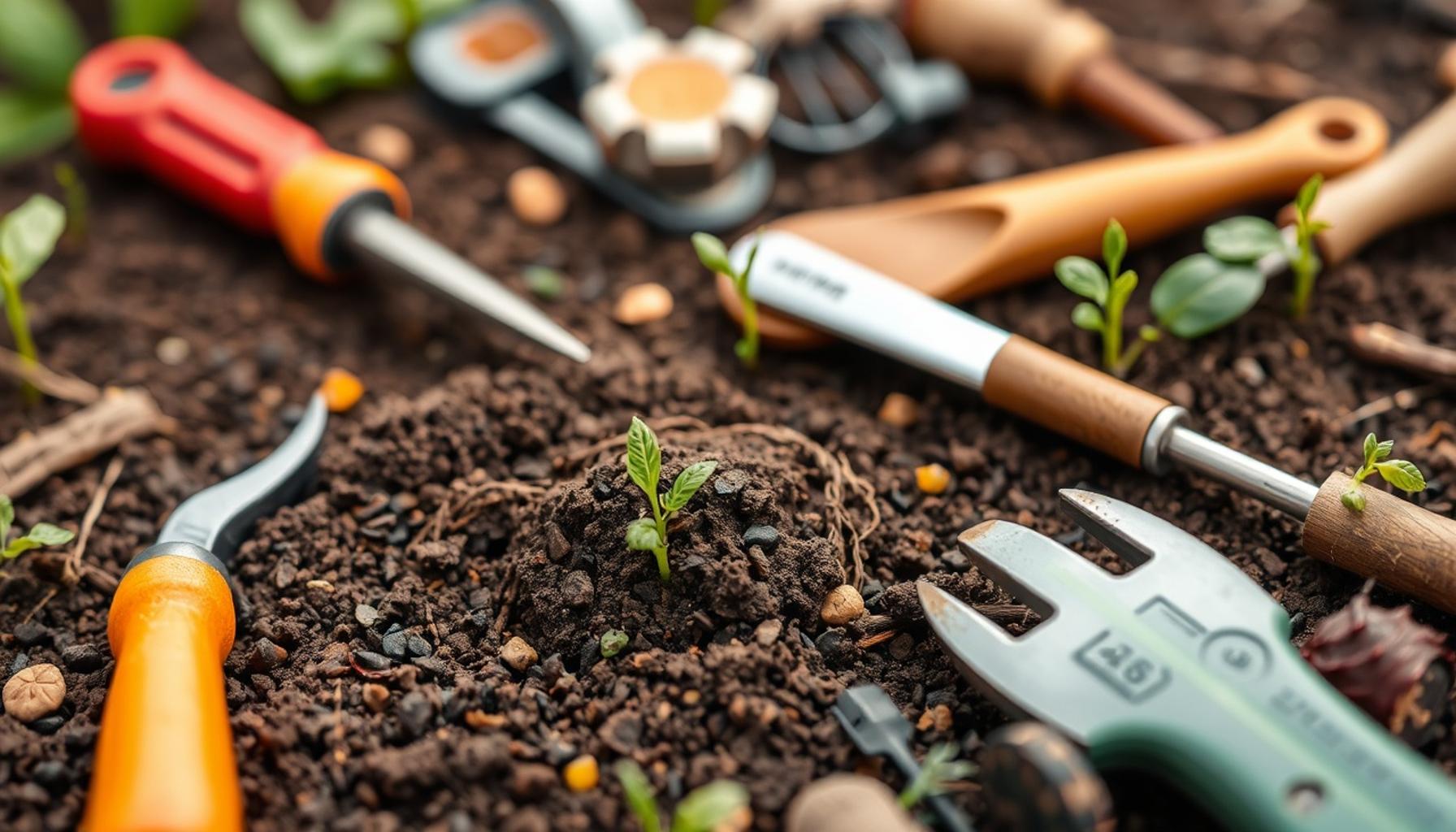
In addition to understanding these techniques, having the right tools is essential for competent soil preparation. Some key implements include:
- Shovels and Spades: These tools are indispensable for breaking up hard soil clumps, moving soil around, and digging holes for planting.
- Rakes: After tilling, rakes are invaluable for leveling the soil surface and creating smooth seed beds, which can promote even seed distribution and growth.
- Garden Forks: Ideal for aerating the soil further, these forks can help integrate organic matter and improve the soil structure, enhancing drainage and nutrient distribution.
Employing these techniques and tools with precision can lead to remarkable improvements in soil quality and plant health. With a firm foundation in soil preparation, you not only optimize the conditions for growth but also contribute to a more sustainable gardening or farming practice. Embracing these elements allows you to create an ideal environment for your plants, fostering productive gardens and sustainable agriculture. Stay tuned as we further explore each aspect of soil preparation to equip you with knowledge and skills that can transform your gardening journey.
DISCOVER MORE: Click here to learn about natural soil preparation methods
Key Techniques for Effective Soil Preparation
Engaging in effective soil preparation encompasses a multitude of techniques designed to enhance not only the soil’s productivity but also its long-term health. Among these techniques, crop rotation stands out as an efficacious strategy. This practice involves alternating the types of plants grown in the same area across different growing seasons. By rotating crops, you can naturally replenish soil nutrients, reduce the incidence of pests, and disrupt the cycles of plant-specific diseases. For instance, following nitrogen-fixing legumes like beans and peas with nutrient-demanding crops such as corn can maximize soil fertility and optimize output.
Equally important is the technique of cover cropping, which involves planting specific crops during the off-season to protect and enrich the soil. Cover crops, such as clover or rye, act as a protective blanket, preventing soil erosion, suppressing weeds, and enhancing organic matter when tilled back into the soil. These plants’ root systems also improve soil structure and aeration, promoting a healthier microbial ecosystem. Research indicates that integrating cover crops can increase organic carbon content, thereby fostering a more sustainable growing environment.
Understanding soil texture is another aspect that significantly influences soil preparation efforts. Soil texture refers to the proportion of sand, silt, and clay particles within the soil. Knowing your soil’s texture can inform watering practices, drainage strategies, and the types of plants that may thrive. For example, sandy soils drain quickly, requiring more frequent watering, while clay soils retain moisture but may need amendments like organic matter to enhance drainage. A simple jar test can help reveal your soil’s texture composition; simply mix a sample with water, shake, and allow it to settle to see the layers of sand, silt, and clay.
Cultivating Soil Health through Organic Practices
To further enhance soil health, adopting organic practices can yield significant benefits. Incorporating compost into your soil preparation routine is one of the best ways to enrich your substrate. Compost improves soil structure, increases moisture retention, and adds critical nutrients. Just a handful of compost can supply the essential nutrients that plants need to thrive. When preparing your soil, aim for a compost-to-soil ratio of about 1:4 for optimal results.
- Soil Amendments: Utilizing materials such as peat moss, gypsum, or lime can modify soil properties and enhance nutrient availability. Each amendment serves a specific purpose; for instance, peat moss increases moisture retention, while lime raises soil pH.
- Soil Aerators: These tools help to penetrate compacted soil and improve drainage. Aeration allows roots to access air and nutrients more easily, leading to healthier plants.
- Soil Test Kits: As previously noted, testing your soil not only validates pH levels but also reveals specific nutrient deficiencies or imbalances, guiding your amendments effectively.
Employing these techniques helps create a fertile and vibrant ecosystem for your plants. Whether you’re a homeowner looking to enhance your garden or a commercial farmer aiming for bountiful harvests, understanding these essential techniques can lead to thriving, productive soils. As you delve deeper into soil preparation, you’ll discover that the more informed you are about these processes and tools, the better equipped you’ll be to nurture your green endeavors.
| Advantages | Description |
|---|---|
| Improved Soil Structure | Utilizing tools like aerators and tillers can enhance soil aeration and drainage, promoting healthier root development. |
| Increased Nutrient Absorption | Proper soil preparation techniques ensure that nutrients are adequately mixed and accessible to plants, resulting in robust growth. |
Effective soil preparation is a crucial first step toward achieving a thriving garden or farmland. The utilization of essential tools, such as soil testers, tillers, and compost spreaders, not only streamlines the process but also guarantees that the soil is ready for planting. Understanding the importance of soil pH and organic matter can significantly impact the quality of crops; this knowledge is empowering for any gardener or farmer. With the right equipment and techniques, you can consistently produce robust and vibrant plants, highlighting the intrinsic connection between soil health and overall agricultural success. Engaging with these methods can transform your cultivation experience, making it more fruitful and sustainable in the long run. Exploring various techniques will unveil a treasure trove of opportunities for enhancing your soil’s capabilities.
DISCOVER: Click here for effective DIY pest control tips
Advanced Tools for Soil Preparation
While techniques play a vital role in effective soil preparation, having the right tools is equally essential. The advancement of agricultural technology has led to the creation of innovative implements that not only simplify the process but also enhance results. One such tool is the rototiller. This motorized device breaks up compact soil, mixes in organic matter, and helps aerate the ground, facilitating better root penetration. For gardeners and small-scale farmers, rototillers can significantly save time in preparing a planting bed while ensuring a well-aerated and nutrient-rich environment.
Equipped with various attachments, a multi-tool cultivator offers versatility for different soil tasks. These machines combine tilling, weeding, and literal churning of the soil, catering to specific requirements based on the season and plant types. Its capability to mix in soil amendments and organic matter makes it invaluable for evolving gardening strategies where soil condition is paramount.
Soil Moisture Management Tools
Effective soil preparation also extends to maintaining optimal moisture levels. One essential tool is the soil moisture sensor, which provides real-time data about moisture levels in the soil. By monitoring this crucial aspect, growers can prevent overwatering or underwatering, both of which can adversely affect plant health and yield. Some models connect to smartphone apps, allowing for remote management and alerts, making it easier to maintain the right balance.
In addition, the use of drip irrigation systems can improve soil moisture retention while conserving water. These systems deliver water directly to the plant roots, minimizing evaporation and runoff. As a result, the soil retains essential moisture for longer periods, reducing the need for frequent watering and improving overall soil structure in the process.
The integration of mulching tools also proves fundamental in effective soil preparation. Applying organic mulch, like wood chips or straw, helps regulate soil temperature, retains moisture, and enriches the soil as it breaks down. Tools that ease the application of mulch, such as spreaders or mulch blowers, can save significant labor and increase efficiency, ensuring that all areas of your garden or farm benefit from this protective layer.
The Importance of Soil Health Monitoring
As you embark upon effective soil preparation, maintaining an ongoing grip on soil health is key. A comprehensive soil testing kit is indispensable for understanding its current composition and fertility level. These kits not only measure pH but also provide valuable insights into nutrient levels, guiding amendment decisions. For those truly committed to sustainable practices, advanced soil testing can analyze microbial activity and organic matter content, paving the way for targeted interventions.
Furthermore, adopting digital farm management tools can enhance soil preparation efforts. Many applications are available that allow farmers to track field notes, soil conditions, and crop yields over time. These systems can help to create a holistic farming perspective, facilitating informed decisions regarding crop rotation, soil amendments, and irrigation strategies.
In conclusion, the pathway to effective soil preparation is paved with the right techniques and tools. Understanding how to leverage advanced technologies, alongside timeless practices, ensures that your soil is not only primed for immediate planting but is poised for long-term vitality. This multi-faceted approach to soil preparation can ultimately lead to flourishing plant health and bountiful harvests.
DON’T MISS: Click here to enhance the life of your gardening tools
Conclusion
Effectively preparing soil is a fundamental practice that can greatly influence the success of any agricultural endeavor. By integrating innovative tools such as rototillers and multi-tool cultivators with established techniques, cultivators can enhance soil structure and fertility, ensuring their land is primed for optimal growth. Moreover, modern solutions like soil moisture sensors and drip irrigation systems play a crucial role in maintaining the delicate balance of moisture—essential for plant health and yield.
As the agricultural landscape continues to evolve, soil management also becomes progressively sophisticated. Utilizing comprehensive soil testing kits provides critical insights into nutrient levels and other parameters, enabling targeted amendments that foster sustainable practices. Additionally, embracing digital farm management tools empowers farmers to make informed decisions based on real-time data, elevating their soil management strategies to new heights.
In conclusion, the journey toward effective soil preparation demands a blend of modern technology and traditional wisdom. By acknowledging the importance of these essential tools and techniques, growers can not only prepare their soil for immediate crops but lay the groundwork for healthier, more resilient ecosystems in the long term. For those dedicated to maximizing their agricultural productivity, investing time and resources in proper soil preparation is indisputably a step towards a thriving future.