Remote Work Spaces: Tips for Creating a Minimalist and Efficient Home Environment
The Impact of a Well-Designed Home Office
As remote work continues to gain traction across the United States, particularly in the wake of the pandemic, the significance of a meticulously designed home office is increasingly highlighted. A thoughtfully organized workspace not only facilitates productivity but also nurtures creativity, establishing a fine balance between work and life. A study by Stanford University found that remote workers can be up to 13% more productive than their in-office counterparts, underscoring the importance of a conducive work environment.
Essential Elements to Establish a Functional Workspace
Creating an effective remote work environment encompasses several essential components that can dramatically enhance your day-to-day experience. To embark on this journey of optimization, consider the following strategies:
- Declutter: Begin by removing unnecessary items that do not serve a purpose or contribute to your workflow. A clutter-free desk can bring about a sense of calm and clarity, allowing you to concentrate on tasks rather than being distracted by unneeded items. Implementing the ‘one in, one out’ rule, where you remove one item for every new item brought in, can also facilitate this process.
- Invest in Quality Furniture: An ergonomic chair and a height-adjustable desk are not just luxuries; they are essential components for a comfortable work environment. According to the Occupational Safety and Health Administration (OSHA), suboptimal work setups can lead to musculoskeletal disorders. Investing in adjustable features such as lumbar support and seat height can enhance comfort and productivity during long working hours.
- Natural Light: Exposure to natural light is not merely a stylistic choice; it significantly influences mood and productivity. Studies have shown that natural light can enhance alertness and reduce fatigue. Positioning your workspace near windows allows you to absorb daylight, which positively impacts your circadian rhythm and overall wellbeing.
- Neutral Color Scheme: The colors of your workspace can influence your psychological state. Utilizing a neutral color palette—like soft grays, whites, or light blues—can create a calm and focused ambiance. These shades are known to reduce stress and improve concentration, thereby making your home office a sanctuary for productivity.
Why These Strategies Matter
Each of these aspects plays a critical role in cultivating a productive work environment. A well-organized desk can enhance focus by up to 20%, as research indicates, stressing the necessity of an intentional design. Taking the time to assess and adjust your current setup is an important first step toward creating a minimalist workspace that aligns with your personal style and professional needs.
Tailoring Your Space to Your Needs
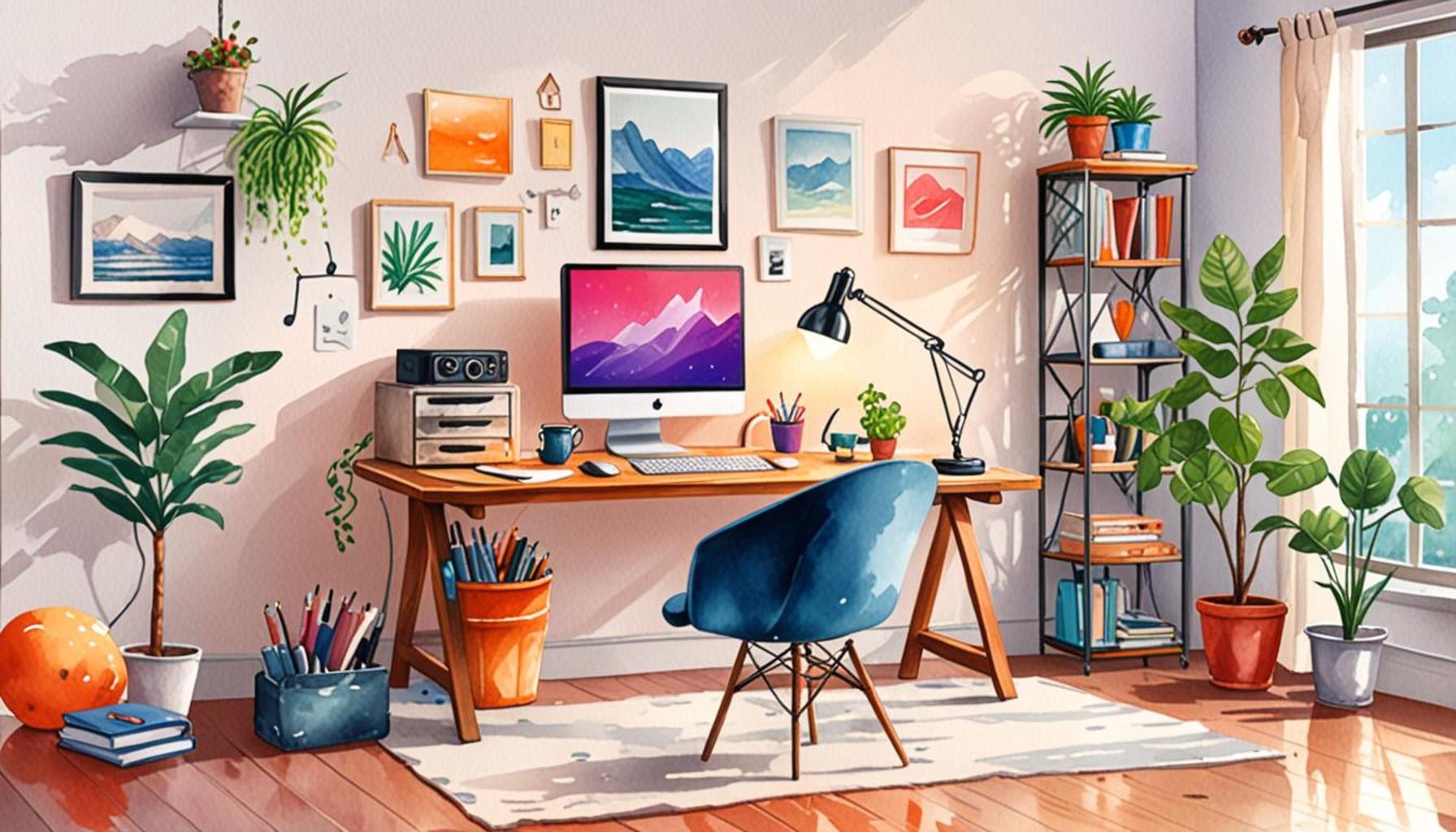
As you explore these strategies, remember that customization is key. The minimalist approach doesn’t mean sacrificing personality; rather, it’s about curating a space that reflects your unique needs while keeping distractions at bay. Consider incorporating personalized elements, such as artwork or plants, to inspire creativity without overcrowding the visual aspects of your workspace.
In summary, a thoughtfully designed home office can transform your remote work experience, making it not only efficient but also enjoyable. Embrace the minimalist mindset, assess your current working conditions, and implement these strategies to enhance your productivity and elevate your remote work journey.
DISCOVER MORE: Click here to simplify your digital life
Maximizing Space for Productivity
In designing a minimalist home office, one of the foremost considerations is maximizing your workspace efficiently. The integration of practical and aesthetic elements can drastically affect your productivity levels, and understanding how to utilize what you have can lead to substantial improvements in both comfort and efficiency. Here are key techniques to ensure your space is not only functional but also conducive to a balanced work-life dynamic:
- Strategic Layout: Start by analyzing the layout of your workspace. Aim for a triangular setup where your desk, chair, and essential tools are in close proximity. This reduces unnecessary movements and keeps everything you need within reach. If you have a small area, consider wall-mounted desks or multi-functional furniture that can serve varied purposes while taking up minimal space.
- Technology Management: Keep technology organized to avoid visual clutter. Use cable management solutions such as clips or covers that can hide unsightly wires, giving your workspace a clean look. A wireless setup not only decreases clutter but enhances your mobility, allowing for easy adjustments to your workspace as needed.
- Zone Your Environment: Create distinct zones within your workspace for different activities. For example, have a dedicated area for computer work and another for reading or brainstorming. This zoning can help your brain shift gears between tasks, maintaining focus and increasing productivity throughout the day.
- Incorporate Functionality: Invest in storage solutions that resonate with your minimalist philosophy. Utilizing items like filing cabinets, bookcases, or decorative boxes can help keep essential documents and tools organized and accessible. Floating shelves are also excellent for maximizing vertical space, offering display options for inspiring books or personal items without compromising on floor space.
Adapting these techniques allows you to create a nurturing and efficient remote work environment. The significance of establishing a purposeful atmosphere cannot be overstated. In fact, studies suggest that an organized workspace can reduce time wasted searching for materials by as much as 30%. By prioritizing efficiency in your home office design, you cultivate an environment where creativity and output can flourish.
Adding a Personal Touch While Maintaining Minimalism
While functionality is key, don’t shy away from infusing personality into your workspace. A minimalist environment doesn’t need to feel sterile or uninspiring. Thoughtfully selected decorations can serve as motivational prompts while keeping the environment uncluttered. Consider incorporating the following:
- Plants: Adding greenery can enhance air quality and promote a sense of tranquility. Succulents or low-maintenance plants like snake plants or pothos are excellent choices for those who may not have a green thumb.
- Artistic Elements: Choose a couple of meaningful art pieces or quotes that resonate with you. These should be displayed in a way that complements your workspace without overwhelming it.
- Personalized Stationery: Using aesthetically pleasing items like notebooks or pens can elevate your workspace experience and make the act of writing and planning more enjoyable.
As you craft your home office, remember that balance is essential. Efficient design can coexist with personal touches, leading to a space that not only encourages productivity but also reflects your individuality.
| Category | Advantages |
|---|---|
| Ergonomic Setups | Promote comfort and reduce physical strain. |
| Organized Workspace | Increases productivity and focus by minimizing distractions. |
Crafting an efficient remote workspace requires a keen understanding of how our environments impact our productivity and well-being. One key aspect is the creation of ergonomic setups. This principle emphasizes the importance of furniture and equipment that support the body’s natural posture. Not only does this enhance comfort during long work hours, but it also actively helps in reducing the risk of chronic pain or injury. Investing in an ergonomic chair and desk can significantly affect daily work effectiveness.In addition, an organized workspace is essential for minimizing distractions and enhancing focus. By incorporating storage solutions that keep clutter at bay, remote professionals can foster an environment conducive to work. Such arrangements encourage a more structured workflow and reduce anxiety associated with untidy spaces. Consider using vertical storage solutions or drawer organizers to maximize space while maintaining a minimalist aesthetic. By strategically designing your home office, you not only optimize efficiency but also create a serene atmosphere that nurtures creativity and productivity.
DIVE DEEPER: Click here to uncover more insights
Ergonomics: The Foundation of Comfort in Remote Work
As you build your minimalist home office, don’t overlook the importance of ergonomics. A well-designed workspace not only enhances productivity but also plays a crucial role in your long-term health. Poor posture and uncomfortable seating can lead to fatigue, discomfort, and other health issues that may arise from extended periods of sitting. Here are practical strategies to promote ergonomic excellence in your workspace:
- Choose the Right Desk Chair: Invest in a high-quality ergonomic chair that encourages proper posture. Look for adjustable options that provide lumbar support and allow you to maintain a straight back while keeping your feet flat on the ground. According to the Occupational Safety and Health Administration (OSHA), the right chair can significantly reduce discomfort and promote productivity.
- Monitor Positioning: Position your computer monitor at eye level, roughly 20 to 30 inches away from your face. This minimizes strain on your neck and eyes, fostering a comfortable viewing experience. Many professionals recommend using dual monitors for efficient multitasking – if you opt for this setup, ensure they are equally adjusted to the same height to maintain ergonomic alignment.
- Keyboard and Mouse Setup: Keep your keyboard and mouse close enough that your elbows remain close to your body while you work. Ideally, your wrists should be straight, not bent upward. Consider using a keyboard tray or a wrist rest to encourage a neutral wrist position and enhance your overall comfort.
- Regular Movement: To counteract the effects of prolonged sitting, integrate movement into your routine. Set reminders to stand, stretch, or take short walks around your space. A quick five-minute break every hour can invigorate both your mind and body, contributing to overall well-being. Research indicates that incorporating regular movement can boost mood and enhance cognitive function, which is essential when working remotely.
Making the effort to prioritize ergonomics in your remote workspace can lead to significant benefits, including increased focus, decreased fatigue, and a more enjoyable work experience. It’s crucial to remember that a comfortable worker is a productive worker, and these adjustments can create a sustainable and pleasurable environment.
Lighting: Creating an Inviting Atmosphere
A well-lit workspace is fundamental to promoting alertness and motivation. Lighting can also affect your mood and energy levels throughout the day. Striking the right balance between natural and artificial light will contribute to a vibrant remote working experience. Here are some tips to effectively use lighting in your minimalist home office:
- Leverage Natural Light: Position your desk near a window to take advantage of daylight. Natural light can help regulate your circadian rhythm and improve mood and productivity. If direct sunlight is too harsh, consider using sheer curtains to diffuse the light while still reaping the benefits of nature.
- Choose the Right Artificial Lighting: In cases where natural light is limited, invest in warm, adjustable LED lights to mimic daylight. This type of lighting is gentle on the eyes and can reduce fatigue. Consider using a desk lamp with adjustable brightness settings to calibrate the environment according to the time of day or weather conditions.
- Implement Task Lighting: Use focused lighting for specific tasks that require a higher level of visibility, such as reading or crafting. This not only reduces eye strain but helps delineate your work zones, making it easier to transition between different activities during the day.
Thoughtfully designed lighting can transform a sterile workspace into an inviting haven. The thoughtful balance of light sources can help create an atmosphere that fosters creativity while maintaining efficiency within your minimalist work environment.
DISCOVER MORE: Click here to learn how minimalism can ease your stress
Conclusion: Designing Your Ideal Remote Work Space
In the evolving landscape of remote work, creating a minimalist and efficient home environment is not just about aesthetics; it’s about enhancing productivity and well-being. By focusing on key elements such as ergonomics, lighting, and the overall organization of your workspace, you can foster an atmosphere that promotes creativity and efficiency.
Prioritizing ergonomic principles ensures that your body remains comfortable, reducing the risk of physical ailments that can arise from prolonged sitting and poor posture. Meanwhile, the strategic use of natural and artificial light can uplift your mood and keep you alert, transforming your workspace into a vibrant hub rather than a dull area for monotonous tasks.
Furthermore, consider incorporating elements that reflect your personal style while maintaining minimalism. This balance creates an inviting and stimulating space that motivates you every day. As remote work continues to redefine the professional landscape, investing time and thought into your home office setup is essential for long-term success.
If you haven’t already done so, take a moment this week to evaluate your current workspace. Are there changes you could implement—be it furniture upgrades, better lighting solutions, or clearing out clutter—that might enhance your productivity? The answer could lead to not only a more efficient work style but also a happier and healthier you. Embrace the opportunity to design your ideal remote work space, where functionality meets comfort, paving the way for a fulfilling work-life journey.