Choosing the Right Plants for Your Home Garden: A Beginner’s Guide

Welcome to the World of Home Gardening
Diving into the world of home gardening can be a rewarding adventure. However, with countless plant options available, making the right choice can feel overwhelming. Understanding the basics of your home environment is the first step toward creating a thriving garden. In the United States, where diverse climates and soil types exist, your journey can vary significantly based on location.
Key Considerations for Your Garden
- Climate: Your local climate significantly affects which plants will thrive or struggle. For instance, regions like Florida, known for its humid subtropical climate, allow for exotic plants such as hibiscus or jasmine to flourish, while more arid areas like Arizona call for drought-resistant varieties like succulents or desert marigolds.
- Space: Assessing the size and layout of your garden or balcony is essential to determine suitable plants. Container gardening might be ideal for small spaces, allowing for a variety of herbs and vegetables to be grown vertically or horizontally, maximizing limited areas.
- Sunlight: Different plants require varying levels of sunlight; knowing your space’s exposure is crucial. For example, a south-facing balcony might be perfect for sun-loving tomatoes, while a shaded area would be better suited for plants like ferns or hostas.
Start by exploring native plants, which are well-adapted to your area and often require less maintenance. They can offer numerous benefits such as supporting local wildlife, improving soil health, and conserving water. For example, planting milkweed in your garden can attract monarch butterflies and provide them with the nutrients they need during their life cycle. Additionally, considering the purpose of your garden—whether for aesthetics, food production, or attracting pollinators—will help you select the right species.
Tips for Selecting Plants
- Research hardiness zones specific to your region. The USDA Plant Hardiness Zone Map can guide you in understanding which plants can survive your winters, allowing for successful year-round gardening.
- Choose plants that will complement each other in size and moisture needs. For example, pairing hydrangeas with shade-loving hostas not only creates a visually appealing arrangement but also allows you to meet various watering requirements.
- Don’t hesitate to seek advice from local garden centers or community resources. They often have insights into which plants perform well in your area and can recommend reliable local varieties.
As you embark on this gardening journey, take the time to understand the relationship between your space and potential plants. Engage with nature by observing local flora and fauna, which can serve as inspiration for your garden design. With careful consideration and planning, you’ll be well on your way to creating a beautiful and sustainable home garden that not only enhances your living space but also contributes positively to the environment.
DON’T MISS OUT: Click here to learn the best watering practices
Understanding Your Environment
Before selecting plants for your home garden, it’s essential to gain an understanding of your environmental conditions. A garden’s success is often rooted in the details of its surroundings. Engaging with your unique ecosystem not only helps you choose the right plants but creates a foundation for a flourishing garden. Begin your exploration by evaluating the following factors:
Soil Type and Quality
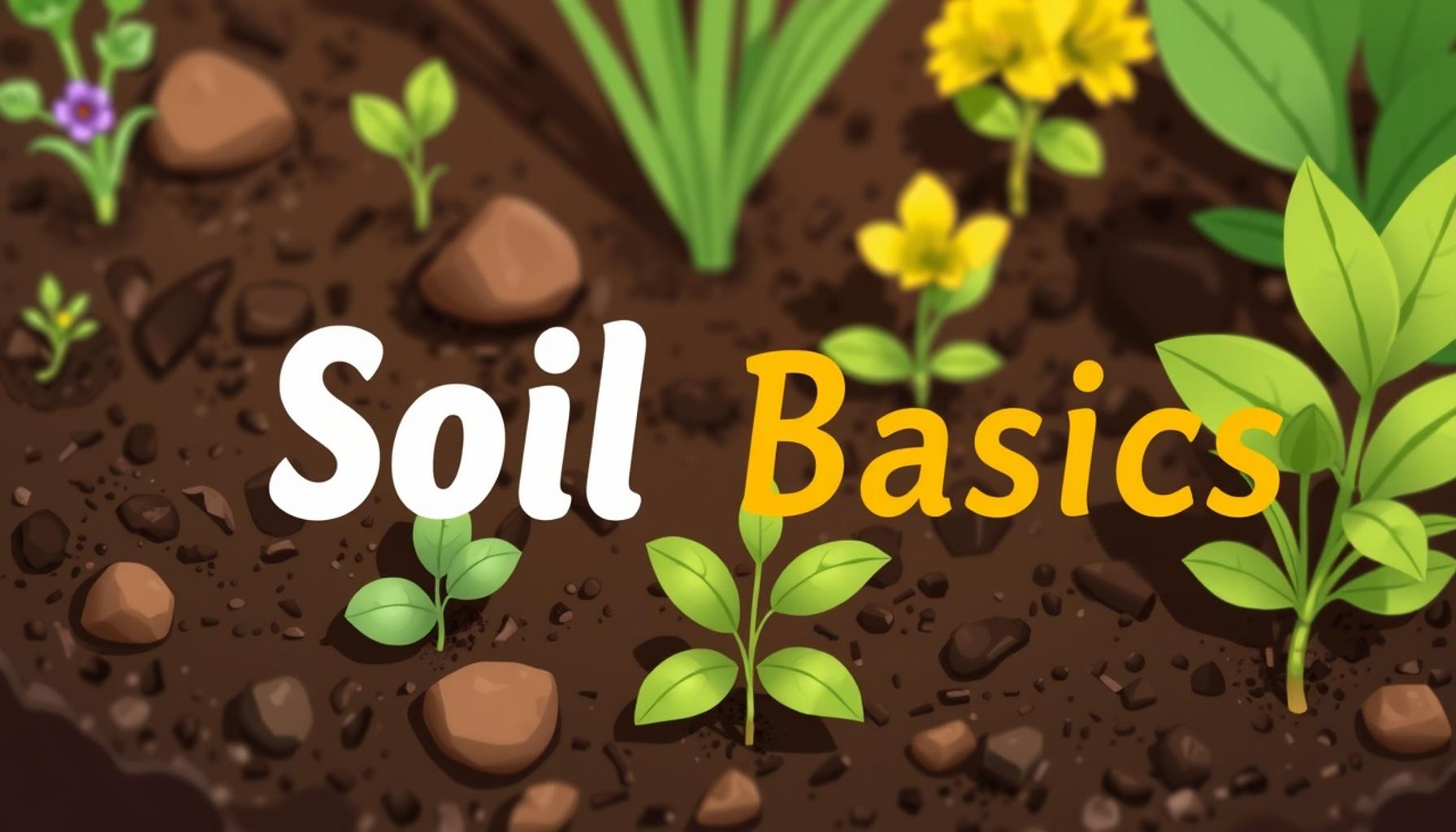
The heart of any garden lies in its soil. Different plants have varying soil needs, and understanding your soil type can significantly impact their growth. Begin by conducting a simple soil test, which evaluates pH, nutrient levels, and organic matter content. Here are common types of soil found across the United States:
- Sandy Soil: Quick-draining but often lacks nutrients; ideal for drought-resistant plants such as lavender and rosemary.
- Clay Soil: Retains water but can become compacted; suitable for moisture-loving plants like irises and willows.
- Silty Soil: Rich in nutrients and retains moisture, making it perfect for a variety of plants, such as vegetables and flowering perennials.
- Loamy Soil: A balanced mixture of sand, silt, and clay; often the best for a wide range of plants including roses and most vegetative crops.
Water Requirements
Next, consider how much water your potential plants will need. Every plant species has its own tolerance for dry conditions or excess moisture. Grouping plants with similar watering needs reduces maintenance and helps promote healthy growth. For instance, if you live in a region that experiences dry summers, focus on drought-tolerant plants such as succulents and native wildflowers. Alternatively, in wetter areas, you may opt for moisture-loving plants like hostas and ferns that can thrive in consistently moist environments.
Seasonality Matters
The seasons greatly inform your planting choices and timing. Some plants flourish in spring, while others may only bloom in summer or fall. A well-planned garden incorporates a variety of plants that offer beauty or produce food throughout the year. For example, consider combining spring-blooming bulbs like tulips with summer-flowering perennials such as echinacea for continuous interest and color.
Another important aspect to keep in mind is the potential for seasonal challenges, such as frost or heatwaves. Understanding your local climate—as well as any historical weather patterns—will aid you in selecting plants that can withstand those fluctuations.
As you pore over your garden choices, remember that combination and balance are vital to a successful home gardening experience. By carefully considering your soil type, water needs, and seasonal dynamics, you build an optimal environment for your plants. Embrace the journey and allow the unique characteristics of your space to guide your selections as you transform your home garden into a lush oasis.
Essential Considerations for Plant Selection
When embarking on the journey of creating your own home garden, there are several fundamental factors to weigh that will greatly influence your successful plant selection. Understanding your specific environment, such as climate, soil type, and sunlight availability, is paramount in ensuring the thriving health of your greenery.Climate Compatibility plays a crucial role in determining which plants will flourish in your garden. Different plants have varied tolerances for heat, cold, humidity, and moisture. For instance, if you live in a zone known for harsh winters, opting for hardy perennials like hostas or sedums is advisable, while in warmer zones, Mediterranean plants such as lavender and rosemary thrive. Soil Type should also be assessed. Soil can vary from sandy to clay-rich, each presenting unique challenges. Conducting a simple soil test can help you understand its pH level and nutrient content. Amendments may be necessary to enrich your soil. Adding compost can improve both nutrient density and drainage, beneficial for root health.Moreover, consider the amount of sunlight that each plant will receive throughout the day. Certain plants crave full sun, while others may prefer partial shade. Knowledge of your garden’s sun exposure patterns can lead to more successful placements and layouts, reducing the likelihood of plant stress or competition for resources.In addition to these environmental factors, personal preferences regarding plant aesthetics and function are important. Are you drawn to colorful flowers, or do you prefer the lush greenery of foliage plants? Would you like your garden to attract pollinators or provide herbs for cooking? These choices not only personalize your garden but also contribute positively to your local ecosystem. Lastly, you should integrate your choices with an understanding of maintenance requirements. Some plants demand more care than others, and aligning your selection with the time and effort you can dedicate will ensure a more pleasurable gardening experience.All these components come together to create a cohesive planning strategy that not only fosters a beautiful garden but also supports a sustainable and environment-friendly gardening practice, making it an enriching venture for any beginner.
| Category | Description |
|---|---|
| Climate Compatibility | Selecting plants suited for your regional climate ensures they thrive. |
| Soil Type | Healthy soil improves root health and nutrient uptake, essential for plant growth. |
| Sunlight Needs | Correct sunlight exposure is crucial to avoid stress and ensure healthy growth. |
| Aesthetic Preferences | Your visual interests shape a personalized garden that resonates with you. |
| Maintenance Requirements | Select plants whose care needs align with the time you can devote. |
DISCOVER MORE: Click here for essential tips on selecting gardening tools
Assessing Light Conditions
Light is another crucial aspect to consider when choosing plants for your home garden. Each plant species has specific light requirements, ranging from full sun to full shade. Understanding the light dynamics of your garden will help you create a harmonious plant arrangement. Begin by observing your garden at different times of the day to gauge sunlight patterns. Here are some light categories to help you determine the best choices for your space:
- Full Sun: These areas receive at least six hours of direct sunlight per day. Ideal candidates for full sun include tomatoes, sunflowers, and zinnias. Remember, sun-worshipping plants thrive best with the right exposure!
- Partial Sun/Shade: Plants that flourish in partial sun typically require about four to six hours of sunlight daily. Consider incorporating pansies, astilbes, and coreopsis for vibrant colors without overwhelming their need for some shade.
- Full Shade: Perfect for spots that receive less than four hours of sunlight, full shade plants like fuchsia, ferns, and bleeding hearts can thrive beautifully. These plants often bring a lush and inviting feel to the shady corners of your garden.
Plant Hardiness Zones
Another vital factor in selecting the right plants for your home garden is understanding plant hardiness zones. The USDA Plant Hardiness Zone Map classifies regions based on their minimum winter temperatures, making it easier for gardeners to select appropriate plants that can survive in their local climate.
For instance, if you’re located in zone 5, you’ll want to choose plants that can tolerate cold temperatures, such as peonies and daylilies. Conversely, if you reside in a warmer zone like zone 9, consider growing citrus trees or hibiscus. By being mindful of your hardiness zone, you can cultivate a garden that not only survives but thrives in your unique climate.
Choosing Companion Plants
Companion planting is an excellent strategy for beginner gardeners looking to maximize their garden’s potential. Certain plants can benefit one another when grown in close proximity; for example, planting marigolds alongside vegetables can help deter pests, while the sprawling vines of cucumbers thrive well alongside corn which provides much-needed support.
Look into companion planting for herbs and vegetables to create mutually beneficial relationships in your garden. Some classic combinations include basil with tomatoes and carrots with onions. These pairings not only enhance growth and productivity but can also contribute to healthier harvests.
As you embark on your gardening journey, take the time to delve into the diverse world of plants available to you. By assessing the light conditions, understanding your hardiness zone, and exploring the art of companion planting, you will enhance your ability to choose the right plants for your home garden. Make informed decisions and watch your garden flourish, bringing joy and beauty to your living space.
DISCOVER MORE: Click here to uncover the top plants for new gardeners
Final Thoughts on Your Gardening Adventure
Embarking on the journey of choosing the right plants for your home garden is an exciting endeavor that promises both challenges and rewards. As a beginner, understanding essential factors such as light conditions, plant hardiness zones, and companion planting will empower you to make informed decisions that suit your specific garden environment. Remember that each plant you select not only contributes to the aesthetics of your garden but also plays a vital role in creating a balanced ecosystem within your green space.
Keeping in mind your unique geographical location will enable you to cultivate plants that are capable of thriving in your climate. With consistent observation and experimentation, you will develop a deeper appreciation for the nature of gardening. Whether you are growing vibrant flowers, nourishing vegetables, or aromatic herbs, be open to learning from both success and setbacks. Over time, you will gain invaluable knowledge and experience that will enhance your gardening skills.
Ultimately, your home garden should reflect your personal style and serve as a sanctuary for relaxation and inspiration. Embrace the joy of discovery as you select plants that resonate with you, turning your garden into a flourishing paradise that you and your loved ones can enjoy for years to come. So roll up your sleeves, grab your gardening tools, and let the adventure of gardening begin!