
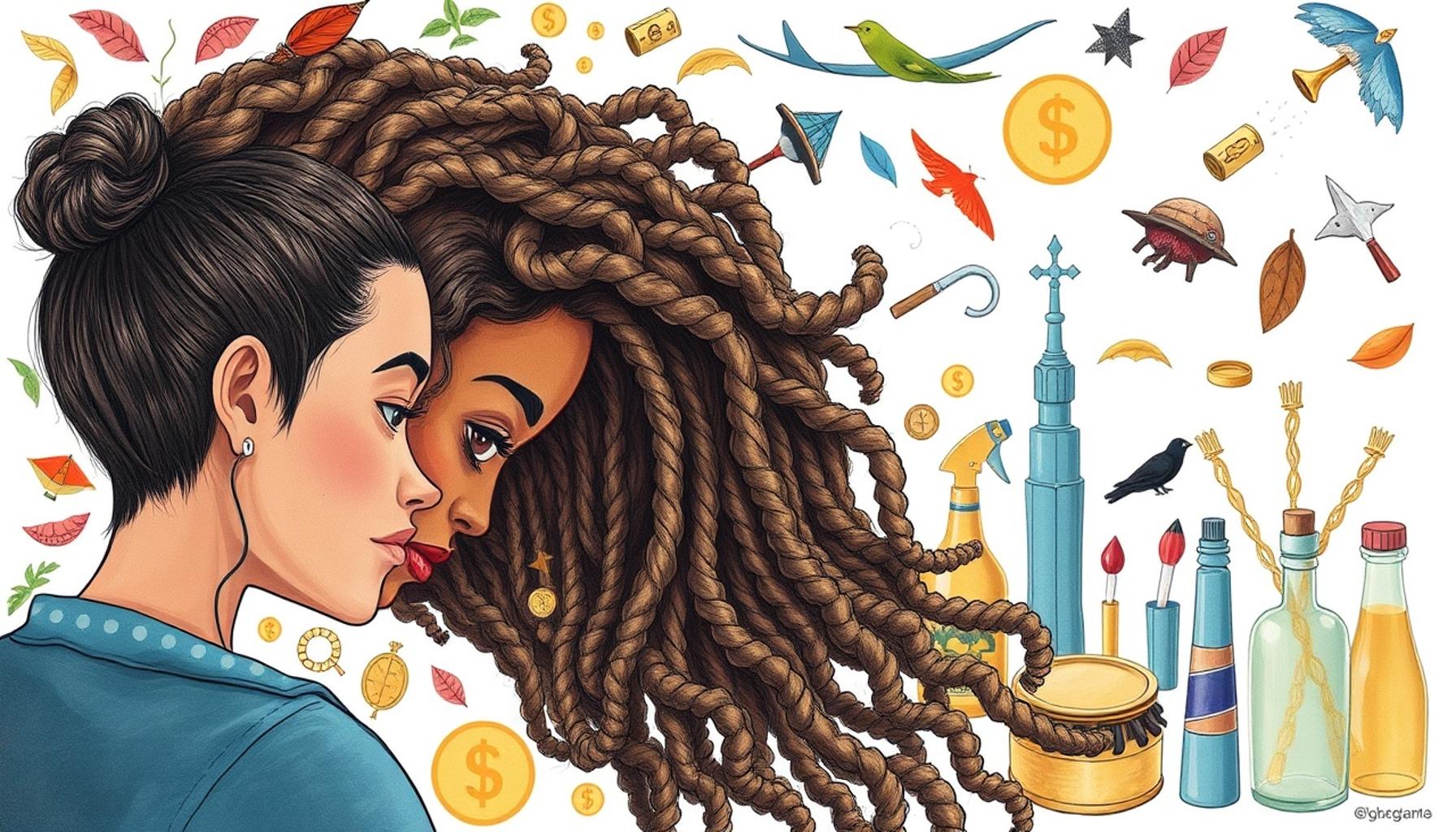
Understanding Global Hair Care Trends
Hair is more than just a collection of strands; it reflects culture, identity, and personal expression. Across the globe, different societies perceive hair damage and repair uniquely, shaped by traditions and environmental influences. This rich tapestry of practices invites exploration into how various cultures approach hair health and style.
Exploring Diverse Hair Repair Practices
- African Cultures: In many African communities, natural oils play a pivotal role in hair care rituals. Products like shea butter, which is rich in vitamins A and E, are widely used for their deep moisturizing properties, helping to combat dryness caused by both climate and styling practices. Coconut oil is another favorite, known for penetrating the hair shaft and reducing protein loss, which can lead to damage. These methods not only nurture the hair but are also often steeped in cultural significance, with rituals that celebrate hair as a natural crown.
- Asian Traditions: Cultures in Asia have long embraced the use of natural ingredients to maintain vibrant and strong hair. One notable method is the use of rice water, a centuries-old treatment that many believe aids in enhancing shine and fortifying strands. The process involves soaking rice, then straining the water to be used as a rinse. This practice, which has roots in Japan and other Asian countries, showcases an appreciation for resourcefulness and the holistic use of agricultural produce.
- Western Approaches: In contrast, many Western societies often prioritize chemical treatments and salon services, reflecting a trend towards utilizing advanced technology in hair care. Products like keratin treatments and color protectants are commonplace, driven by high consumer demand for shiny, manageable hair. However, there is a growing movement towards integrating natural ingredients with scientific advancements, as consumers become more aware of the impact of chemicals on their hair and health.
Additionally, regional climate plays a crucial role in determining the types of damage hair might endure. For example, individuals living in humid climates may struggle with frizz due to moisture in the air, while those in areas with harsh winters might deal with dryness and breakage from the cold. Products and techniques vary accordingly, ensuring the most suitable care is adopted based on environmental conditions.
Why Cultural Insights Matter
Investigating global hair repair practices not only enriches our knowledge but also emphasizes the importance of respecting diverse beauty standards. Many individuals are eager to find new ways to combat hair damage, and by enhancing our understanding of these multifaceted traditions, we can enrich our approach to hair care. Blending techniques from various cultures can lead to innovative solutions for healthier hair, allowing people to embrace their unique textures and styles without compromising on care.
Ultimately, as the world becomes increasingly connected, sharing these cultural insights fosters a greater appreciation for the diversity of beauty practices. By embracing different hair care philosophies, individuals can discover personalized routines that celebrate their heritage while integrating holistic methods and advanced techniques for vibrant, resilient hair.
DISCOVER MORE: Click here to learn about environmental impacts on hair health
Global Hair Care Rituals: A Closer Look
The global landscape of hair care is as varied as the people who inhabit it. As we delve deeper into cultural perspectives on hair damage and repair practices, we observe an amalgamation of beliefs, methods, and natural resources that shape the approaches to hair care around the world. Understanding these diverse practices provides insight not only into hair health but also into the cultural identities that invest time and care into their hair maintenance rituals.
Hair Care in the Middle East
In countries across the Middle East, hair is considered a symbol of beauty and femininity. Here, the use of argan oil has become a staple in hair care routines. Derived from the nuts of the argan tree, which is indigenous to Morocco, this oil is renowned for its ability to hydrate and restore damaged hair, making it a favored treatment among women who frequently style their hair. The traditional practice of massaging argan oil into the scalp is believed not only to enhance hair strength but also to promote a sense of wellness and connection to the earth.
Latin American Influences
In Latin America, particularly in countries like Brazil and Colombia, the approach to hair repair contrasts sharply with the use of natural oils. Brazilian women often turn to keratin treatments, a popular salon procedure designed to tame frizz and enhance shine. While these treatments provide immediate aesthetic benefits, they typically involve a series of chemical processes that can be damaging over time. This dichotomy highlights the cultural pursuit of beauty often bordering on sacrifice, as many choose to endure the potential long-term damage in exchange for smooth, lustrous locks.
Indigenous Practices
Among indigenous communities, traditional practices offer a rich perspective on hair care. For example, the Maasai people of Kenya utilize a mixture of animal fat and natural herbs to nourish and protect their hair. This practice not only serves a functional purpose but also embodies cultural pride, with each individual’s hairstyle signifying their identity and status within the community. The Maasai engage in communal ritualistic sessions to style hair, fostering interpersonal relationships and emphasizing the collective nature of beauty and maintenance.
Adapting to Modernity
- Globalization: As cultures intermingle, many people are adopting practices from different regions, blurring the lines of traditional hair care methods. The rise of social media platforms has enabled the sharing of DIY treatments, leading to an increase in the use of combined techniques.
- Market Trends: The beauty industry is rapidly evolving, with companies beginning to incorporate the principles of different cultures into their product lines. For instance, ingredients like Brazilian nut oil and African black soap are becoming more prevalent in Western salons, reflecting a growing recognition of the effectiveness of traditional remedies.
- Personalization: With access to knowledge from global sources, individuals are recognizing the importance of tailoring their hair care routines to suit their unique hair types and conditions, often blending techniques from various cultural backgrounds for a holistic approach.
These various practices collectively highlight that hair care is not merely about aesthetics; it encapsulates an array of cultural symbols, values, and interpersonal relationships. As the world becomes increasingly interconnected, these practices serve as a reminder of the beauty found in diversity, ultimately encouraging us to appreciate the myriad ways cultures define and take care of their hair. Understanding these cultural practices opens avenues for meaningful conversations and fosters deeper appreciation for the different narratives woven into the world of hair care.
Cultural Perspectives on Hair Damage and Repair Practices Around the World
Exploring the vast array of cultural beliefs surrounding hair damage and repair reveals interesting practices that differ dramatically from one culture to another. These diverse methods are often tied deeply to societal values, traditions, and even historical practices. In many African communities, for instance, natural oils such as shea butter and coconut oil are revered for their hair-nourishing properties. They are commonly used to combat dryness and breakage, reflecting a broader cultural appreciation for natural ingredients.
In contrast, Asian cultures have long utilized herbal remedies in their hair care regimens. Ingredients like ginseng, known for its revitalizing effects, and green tea, famous for its antioxidant properties, encapsulate a holistic approach to hair health. These practices are often steeped in traditional medicine, showcasing how hair care can be intertwined with overall wellness.
Additionally, Western cultures have increasingly turned to technology and scientifically formulated products to address hair damage. Treatments such as keratin infusions and heat protectants have become popular, suggesting a shift towards a more industrialized perspective on hair repair, focusing on efficiency and instant results. This development raises questions about the balance between natural and synthetic approaches in hair care practices globally.
The global exchange of ideas has also led to a blending of these practices, with many individuals now experimenting with cross-cultural hair care techniques. For example, someone in the West might incorporate a traditional Indian Ayurvedic oil treatment into their routine, demonstrating a growing appreciation for diverse cultural practices. This intersectionality not only enriches personal hair care but also serves as a vibrant example of cultural exchange and innovation.
| Cultural Practice | Key Characteristics |
|---|---|
| African Hair Care | Usage of natural oils like shea butter to combat damage. |
| Asian Traditional Remedies | Utilization of herbal ingredients like ginseng for nourishment. |
| Western Synthetic Products | Focus on technologically advanced treatments for quick results. |
| Cross-Cultural Integration | Combining practices from different cultures to enhance hair health. |
This examination of cultural perspectives on hair damage and repair not only highlights the variations in practices but also illustrates how individuals navigate their hair care needs through their unique cultural lenses.
DIVE DEEPER: Click here to discover the truth about natural hair repair
Exploring Unique Ingredients and Techniques
As we continue to unravel the rich tapestry of hair care rituals, it’s essential to highlight the unique ingredients and techniques employed worldwide. From indigenous plants to specific application methods, the diversity of hair repair practices offers valuable insights into how different cultures address hair damage.
Traditional Asian Remedies
In many Asian cultures, hair repair is steeped in ancient traditions that leverage natural remedies. In India, for instance, the application of coconut oil is prevalent. Known for its deep penetrating properties, coconut oil is often used to hydrate and strengthen the hair. Many Indian families have passed down hair care routines involving hot oil massages, believed to improve scalp health and stimulate hair growth. These treatments are not only practical but also serve as bonding rituals within families, particularly between mothers and daughters.
Japanese Innovation
Japanese hair care similarly marries tradition with modernity. The use of camellia oil, derived from the seeds of the camellia japonica plant, has been a longstanding practice. This oil is recognized for its ability to nourish and protect hair, combating the effects of environmental stressors. In addition to oil, Japanese women often engage in shampoo rituals involving natural ingredients like rice water, which is thought to enhance shine and softness. This combination of traditional methods and contemporary science represents a unique approach to hair health in Japan.
African Heritage and Natural Solutions
The practices in various African cultures also provide fascinating insights into hair repair. For many African women, natural ingredients such as sheabutter, baobab oil, and rosemary are vital in their hair care routines. Often, sheabutter is used to moisturize and protect hair from the harsh effects of the sun and dry air. Communities place significant emphasis on the process of braiding, which, apart from being a popular style, is known to prevent hair breakage and promote growth. African hair care traditions are deeply intertwined with personal identity, and the styles often symbolize familial or cultural ties.
Modern Techniques Intertwined with Tradition
- Ingredient Sourcing: Various cultures emphasize the importance of sourcing ingredients locally. This not only supports sustainable practices but also enhances the effectiveness of hair care rituals, as the local flora is often best suited to combat environmental factors specific to the region.
- Personalized Care: Across the globe, individuals are increasingly seeking personalized hair care solutions influenced by traditional wisdom. Custom hair oils, created to blend the benefits of different natural ingredients, are becoming more popular as people aim to address their unique hair concerns.
- Cross-Cultural Trends: With a growing appreciation for multicultural practices, trends such as the natural hair movement have emerged, celebrating the beauty of textured hair while encouraging the use of natural and traditional hair care methods derived from various global heritages.
These cultural perspectives on hair damage and repair practices reflect how hair care transcends mere maintenance, embodying cultural significance and identity. The fusion of traditional and modern methods illustrates a global dialogue around beauty, health, and self-expression, inviting individuals to explore and embrace diverse practices from around the world.
DIVE DEEPER: Click here to discover the latest innovations
Conclusion
In examining cultural perspectives on hair damage and repair practices around the world, we unveil a fascinating intersection of tradition, identity, and modern innovation. From the nurturing rituals of Indian coconut oil massages to the meticulous Japanese shampoo practices utilizing rice water, each culture offers unique insights into the importance of hair care. African practices highlight natural solutions, utilizing plants like sheabutter and engaging in braiding techniques that not only protect hair but also signify deeper cultural meanings.
This exploration reveals how hair care is not merely a cosmetic concern but a reflection of environmental adaptations, historical legacies, and familial bonds. The ongoing global dialogue surrounding hair care trends demonstrates a growing appreciation for traditional methods, particularly as individuals increasingly seek personalized solutions that honor their personal and cultural narratives. Additionally, the rise of movements like the natural hair movement exemplifies the fusion of heritage and innovation, allowing for a celebration of diverse beauty standards.
As readers delve deeper into these practices, they are encouraged to embrace and appreciate the wealth of knowledge embedded within different cultures. By acknowledging the unique approaches to hair care across the globe, individuals can discover new strategies for managing damage and enhancing the resilience of their hair, while also fostering a greater respect for the rich cultural significance that these practices embody.