Easy-to-Grow Flowers at Home: A Selection Guide for Beginners Who Want to Brighten Their Garden
Understanding the Joy of Gardening
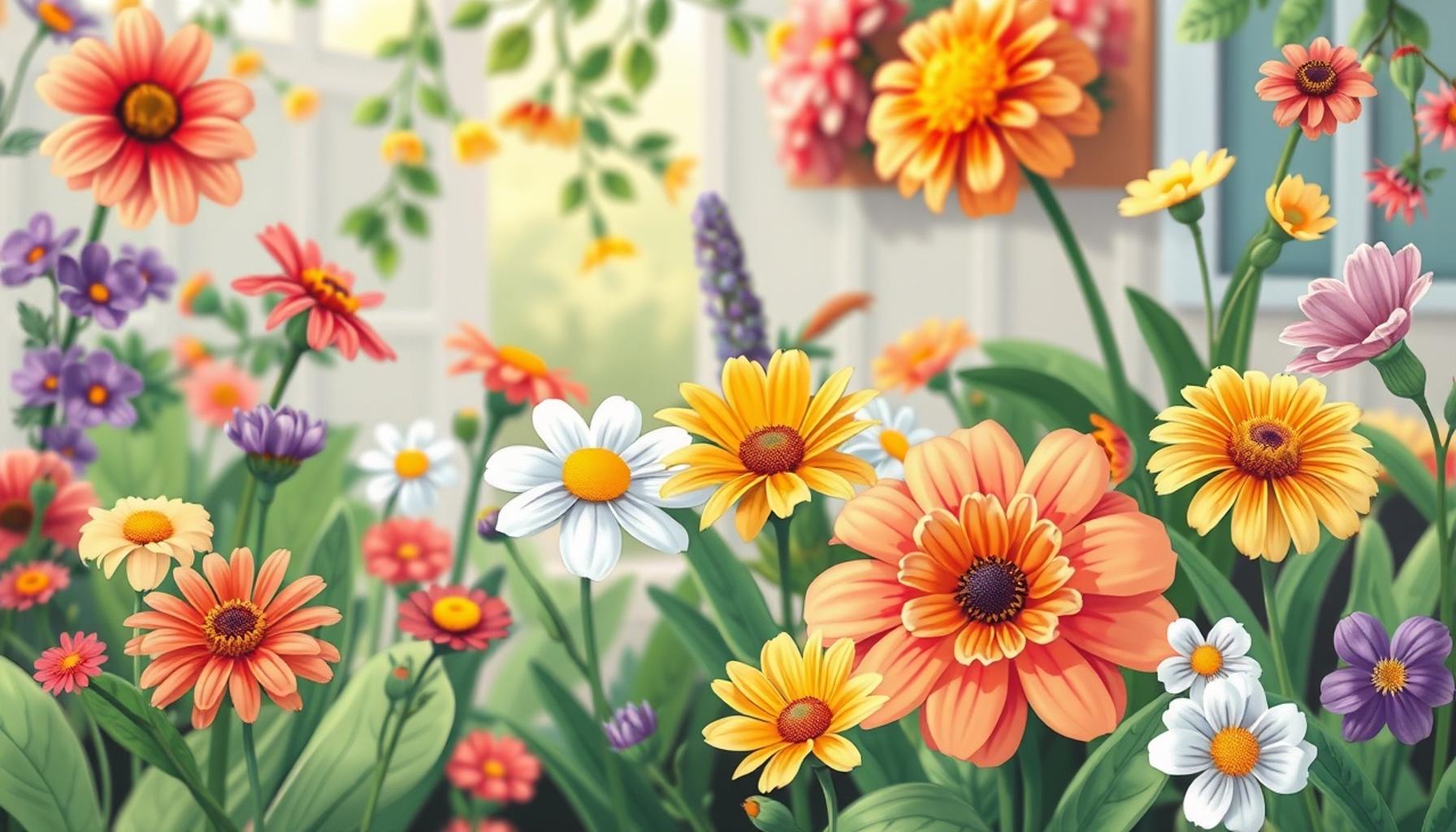
Transforming your garden into a vibrant, colorful space can be a rewarding journey, especially for beginners. With the right easy-to-grow flowers, achieving a blooming paradise is truly within reach. Whether you have a sprawling backyard or a quaint balcony, these flowers can add charm and cheer to your outdoor space.
Why Choose Easy-to-Grow Flowers?
Gardening can seem daunting for those just starting out, but opting for easy-to-grow flowers simplifies the process. These varieties are often more forgiving and adaptable, which is ideal for new gardeners who might still be learning the rules of plant care. Moreover, many of them require minimal maintenance, allowing you to enjoy their beauty without the burden of excessive upkeep.
- Accessibility: Many of these flowers are easy to care for and thrive in diverse conditions, accommodating various soil types and weather patterns prevalent across the United States.
- Variety: From sun-loving blooms like zinnias to shade-tolerant options such as hostas, there is a flower suited for every corner of your garden.
- Impact: Planting a colorful array can attract pollinators such as bees and butterflies, enhancing your garden’s biodiversity while supporting essential ecosystems.
Popular Easy-to-Grow Flowers
Consider starting with these popular selections that not only enhance your garden but also boast unique qualities:
- Marigolds: Known for their vibrant colors ranging from deep oranges to bright yellows, marigolds are also celebrated for their pest-repelling properties, making them effective companions for vegetables as well.
- Sunflowers: Iconic for their towering heights and sunny dispositions, sunflowers can reach impressive heights of six feet or more, creating a striking focal point in any garden design.
- Pansies: Offering a kaleidoscope of colors, pansies are perfect for cooler weather and can bloom in early spring or fall, adding life when many other flowers have faded.
Embarking on Your Gardening Adventure
The world of flowers is vast and exciting, filled with opportunities to learn and grow. By starting with a handful of easy-to-grow varieties, novice gardeners can gradually build their skills and confidence. Furthermore, engaging with local gardening communities, whether through online forums or neighborhood botanical clubs, can provide additional support and inspiration.
In this guide, we’ll explore more flowers suited for novice gardeners, providing tips and insights on how to cultivate a beautiful bloom-filled garden effortlessly. Uncovering the secrets of successful gardening will not only beautify your surroundings but may also ignite a lifelong passion for plants and nature. So, grab your gardening gloves, and let’s dig in!
DISCOVER MORE: Click here for essential gardening tools
Choosing the Right Flowers for Your Garden
Venturing into the realm of gardening can be both exhilarating and overwhelming, especially when it comes to selecting the right flowers that suit your space. A well-thought-out choice can dramatically enhance the beauty of your garden and ensure the plants flourish. To make informed decisions, consider the specific conditions that characterize your garden, including light availability, soil quality, and local climate. For instance, the diverse climatic zones in the United States range from the humid subtropical areas in the Southeast to the arid conditions in the Southwest, making it essential to choose flowers that can not only survive but truly thrive in your specific environment.
Assessing Your Space
Understanding your garden’s unique environment is the cornerstone of successful gardening. To start, evaluate the following critical factors:
- Sun Exposure: Determine the amount of sunlight your garden receives throughout the day. If your garden basks in full sun (over six hours of direct sunlight), consider vibrant bloomers such as sunflowers and zinnias. Conversely, if your garden site is predominantly shaded, flowers like impatiens and ferns could be excellent choices that flourish without direct sunlight.
- Soil Quality: Analyze your soil’s composition. Is it sandy, clayey, or loamy? Knowing your soil type can help you choose flowers that will thrive in those conditions. Marigolds, for instance, are resilient and adapt well to poorer soil, while other plants might require amendments for better drainage and nutrition.
- Climate Zone: Familiarize yourself with your USDA Plant Hardiness Zone, which provides guidance on which plants will survive the winter in your locale. For example, those residing in Zone 5 may experience harsher winters compared to garden enthusiasts in Zone 9, allowing for a greater variety of plants that can remain robust in their warmer climate.
Essential Tips for Selecting Easy-to-Grow Varieties
Your flower selection should not only beautify your garden but also foster an environment where plants can thrive. Keep the following tips in mind to make pragmatic choices:
- Native Plants: Incorporating native flower varieties into your garden can significantly increase your chances of success. These plants are already adapted to your local conditions, requiring less maintenance and water. For example, coneflowers and black-eyed Susans are known for their hardiness and ability to attract pollinators.
- Height and Spacing: Pay attention to the height of the flowers you choose. Taller plants like hollyhocks are best suited for the rear of flower beds to avoid overshadowing shorter varieties like pansies or petunias. This arrangement creates both depth and visual interest in your garden design.
- Seasonal Blooming: To maximize the visual appeal of your garden throughout the year, incorporate a blend of early, mid, and late-blooming flowers. Starting your season with vibrant tulips, transitioning to colorful gladiolus in the summer, and culminating with the striking hues of asters in the fall provides continuous delight and nourishment for local pollinators.
By understanding the nuances of your gardening space and making thoughtful selections about the flowers you plant, you can create a breathtaking garden that flourishes with minimal fuss. Remember, gardening is not just about the end result; it is a fulfilling journey of learning and growth. Even expert gardeners started with humble beginnings, and as you cultivate your floral masterpiece, you’ll come to cherish the endless joys of nurturing life through your gardening efforts.
| Flower Variety | Key Benefits |
|---|---|
| Marigolds | Known for their vibrant colors and ability to repel pests, making them a fantastic addition to any garden. |
| Pansies | These charming flowers thrive in cool weather and add a pop of color to spring gardens, appealing to both beginners and seasoned gardeners alike. |
| Sunflowers | Their easy growth and towering height can create a stunning focal point while attracting pollinators to enhance your garden’s ecosystem. |
| Zinnias | Valued for their long blooming season and resilience in various conditions, making them an ideal choice for novice gardeners. |
In your journey to embrace the beauty of “Easy-to-Grow Flowers at Home,” selecting the right varieties is essential. These flowers not only brighten your garden but also serve as a stepping stone for new gardeners to cultivate their confidence and skills. As you explore marigolds and pansies, consider their ability to adapt to various climates and their successive blooms throughout the seasons. By incorporating these flowers into your garden, you can enjoy continuous visual delight while learning the basics of gardening. With each flower planted, a sense of accomplishment unfolds, paving the way for future gardening endeavors. So why wait? Dive into the world of colorful blooms and make your home garden thrive!
DISCOVER MORE: Click here for natural pest control tips
Garden Maintenance for Flourishing Blooms
Once you have chosen the right flowers for your garden, understanding how to properly care for them is essential to ensuring their longevity and vibrant appearance. Contrary to popular belief, maintaining a garden filled with blooming flowers does not require an immense amount of time or effort. By incorporating a few key practices into your routine, you can create a thriving environment that supports your plants while reducing maintenance stress.
Watering Techniques
Effective watering practices are fundamental to the health of your flowers. It’s important to establish a watering routine that matches the specific needs of your chosen blooms and local weather conditions:
- Deep Watering: Instead of frequent light watering, hydrate your flowers deeply and less often. This encourages the roots to grow deeper into the soil, enhancing their resilience. Aim for approximately one inch of water per week, adjusting based on rainfall and temperature.
- Time of Day: Water your garden early in the morning or late in the afternoon to minimize evaporation and allow plants to absorb moisture effectively. Avoid watering during peak heat hours, as this can lead to rapid evaporation and plant stress.
- Soil Moisture Monitoring: Regularly check the soil’s moisture level by inserting your finger an inch into the ground. If the soil feels dry, it’s time to water. For most easy-to-grow flowers, maintaining consistent moisture is crucial without oversaturating the soil.
Pest Management Strategies
Pests can pose a significant threat to your flowers, but there are numerous organic and effective strategies to manage them without harming your plants or the environment:
- Beneficial Insects: Introduce natural predators like ladybugs and lacewings to your garden, as they feast on aphids and other harmful pests. By fostering a diverse ecosystem, you promote healthy plants while naturally controlling pests.
- Companion Planting: Pairing certain flower varieties can help deter pests. For example, marigolds are renowned for repelling nematodes and aphids, making them ideal companions for vegetables and other floral varieties.
- Homemade Solutions: Create pest deterrent sprays using household items, such as a mix of water and dish soap. A gentle application can help eradicate pests like spider mites without using harmful chemicals.
Fertilization for Optimal Growth
Proper fertilization is integral to achieving healthy and flourishing flowers. Understanding the nutrients your plants require can significantly affect their growth:
- Type of Fertilizer: Organic fertilizers, such as compost or aged manure, can enhance soil structure and provide slow-release nutrients. This approach reduces the risk of nutrient burn and promotes a healthy soil ecosystem.
- Timing: Apply fertilizer in early spring before the growing season begins, and again mid-season to support blooming. However, be cautious not to over-fertilize, as this can lead to excessive foliage at the expense of blooms.
- Nutrient Needs: Monitor your flowers for signs of nutrient deficiency, such as yellowing leaves or stunted growth. Adjust your fertilization schedule accordingly to ensure nutrient-rich support throughout the growing season.
By incorporating these gardening practices, you can foster a vibrant and healthy flower garden that not only brightens your space but offers a rewarding experience of nurturing plant life. As you watch your flowers bloom and flourish, you’ll discover the unique joys of gardening that extend far beyond aesthetics, enriching the environment around you for both pollinators and yourself. The journey of a beginner gardener is filled with learning opportunities and delightful surprises, making each day in the garden a celebration of nature’s beauty.
DIVE DEEPER: Click here to enhance your garden knowledge
Conclusion: Embrace the Beauty of Home Gardening
In conclusion, cultivating easy-to-grow flowers at home is not only a fulfilling and enjoyable endeavor but also an opportunity to enhance your garden’s aesthetic appeal. By selecting the right varieties suited for your climate and environment, beginners can create a vibrant floral display without the stress of complicated care routines. Remember, the key to a flourishing flower garden lies in understanding the individual needs of your plants, from watering, and pest management, to proper fertilization techniques.
As you delve into the world of gardening, consider keeping a journal to track your progress, note seasonal changes, and document what works best for your unique garden. This approach not only enhances your knowledge but also deepens your connection with nature. Embrace the possibility of incorporating native plants or unique hybrids that can support local wildlife, thus fostering an eco-friendly garden.
Finally, remember that gardening is as much about the journey as the destination. Each bloom is a testament to your care and dedication, providing a sense of accomplishment and joy. Whether you are savoring your first blossoms or experimenting with new species, the world of home gardening offers endless opportunities for learning and discovery.
So grab your gardening tools, step outside, and start planting. Your garden awaits, ready to burst into life with color and fragrance, enhancing not only your outdoor space but your overall well-being. The beauty of easy-to-grow flowers is just a seed away!