Essential Tools for Beginners Start Your Home Garden Today
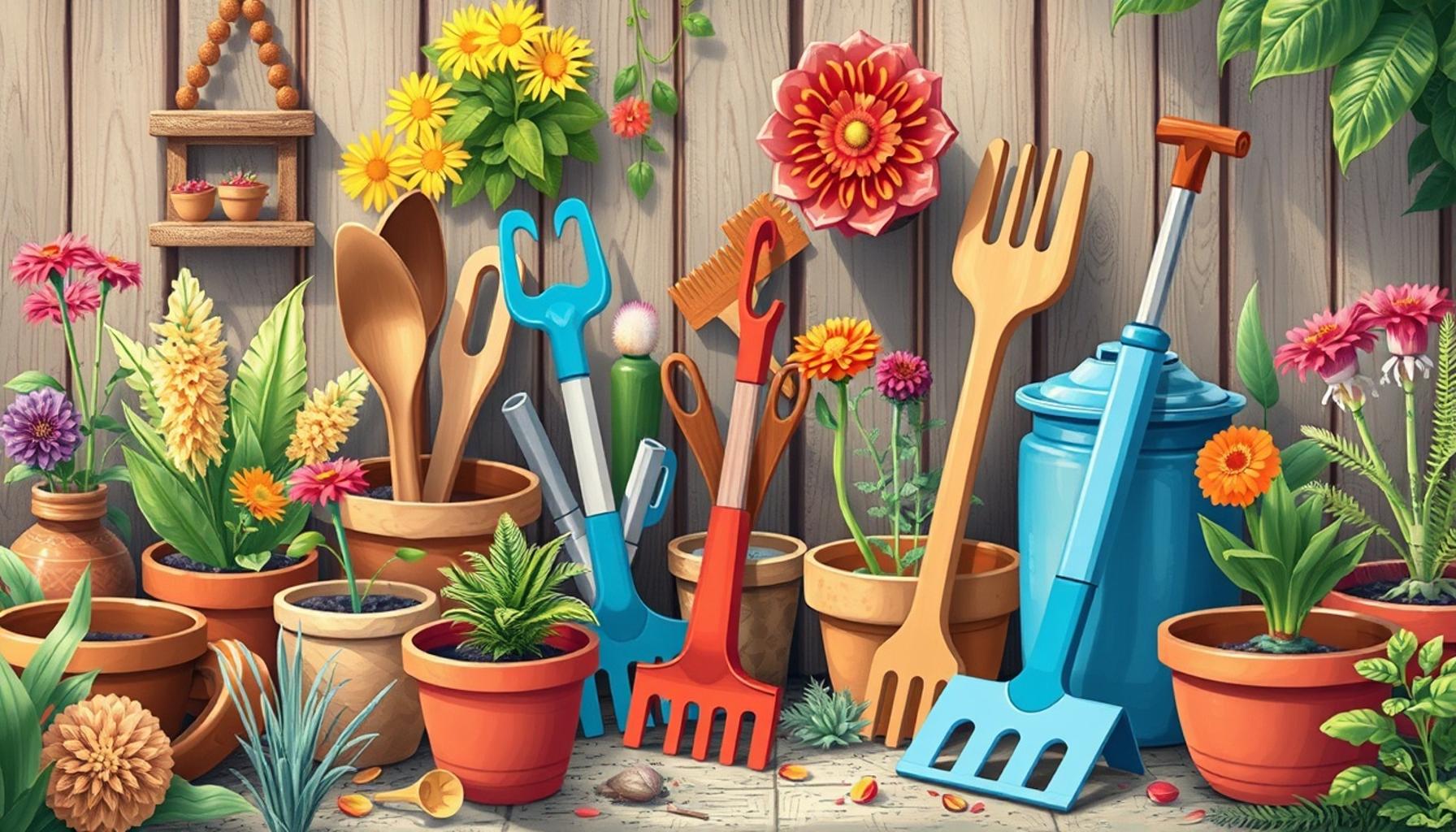
Starting a home garden is an exciting journey that can bring fresh produce, beautiful blooms, and a sense of accomplishment. For beginners, however, it can be challenging to know where to begin and what tools are necessary. Understanding the right tools can significantly improve your gardening experience and set you up for success.
With the right equipment, you can navigate the various tasks involved in gardening with confidence. Here are some essential tools that every gardening novice should consider:
- Hand trowel – Perfect for digging and planting.
- Pruning shears – Essential for maintaining plant health.
- Garden fork – Great for aerating soil.
- Watering can – Important for keeping plants hydrated.
- Gloves – Protect your hands while working in the dirt.
In this article, we will explore these tools in detail, providing insights to help you choose what you really need for your gardening adventure. Let’s dig in and get your garden growing!
Top 5 Essential Tools for Beginners: What You Really Need to Start Your Home Garden
The decision to start a garden at home is akin to nurturing a new hobby or crafting a work of art from scratch. Gardening provides not only joy and relaxation but also a deep sense of fulfillment as you watch life bloom from the soil. The sight of your first sprout piercing through the earth will be a memorable one, symbolizing your newfound connection to nature and the nurturing process. Yet, embarking on this journey can be daunting, especially when you encounter the myriad of tools designed for various gardening tasks. As a beginner, it’s crucial to set a solid foundation with a few essential tools that are both simple and effective. Let’s delve into the top five tools that will streamline your gardening efforts and help you cultivate your first plants with ease.
5. Gloves
The significance of having a sturdy pair of gardening gloves cannot be overstated. Imagine the excitement of diving hands-first into rich, earthy soil, only to be deterred by thorns, sharp debris, or irritating plants. Gloves serve as a protective barrier, allowing you to fully indulge in the tactile experience of gardening without the worry of scrapes or cuts. When shopping for gloves, assess the material closely. Rubber gloves are excellent for waterproof tasks, whereas leather provides better protection against thorny plants. Nylon gloves offer flexibility, ensuring your hands can maneuver comfortably around delicate seedlings. By prioritizing a good fit and high durability, you ensure your hands are safeguarded while maintaining the dexterity needed for intricate gardening tasks.
4. Trowel
The garden trowel is often seen as the Swiss army knife of gardening. This small yet mighty tool handles a range of functions, from digging and planting to transplanting and even weeding. Comfortable grips, usually made from rubber or molded plastic, enhance user comfort and allow greater control during use. Stainless steel trowels are recommended for their resistance to corrosion and sturdiness under pressure. Consider a trowel with measurements marked on its blade for ease in determining planting depth. As a beginner, mastering the trowel will significantly reduce the effort of physically demanding tasks, allowing you more time and energy to enjoy the beauty of a flourishing garden.
3. Pruning Shears
Every gardener’s aim is to nurture a landscape that not only survives but thrives. To ensure robust plant growth, pruning shears are indispensable. This tool allows you to maintain plant health by removing dead or diseased branches, promoting airflow and light penetration to the inner parts of your plants. For beginners, bypass pruners are most recommended for their clean, sharp cuts that minimize damage to live plant tissue. The art of pruning involves recognising when and how to cut, which varies across different plant types and seasons. As you gain experience, you will notice how timely pruning can transform a tangled bush into a bouquet of vibrant blossoms.
2. Watering Can
A watering can epitomizes the nurturing aspect of gardening. Unlike a bulky hose, this tool grants you precision, ensuring that each plant receives the exact amount of water it needs. Opt for a can with a removable spout to adjust the water flow from a gentle sprinkle for seedlings to a steady pour for heartier plants. A capacity between 1 and 2 gallons strikes a balance between being manageable in weight and minimizing trips for refills. Remember, consistent watering is vital for plant vigor, especially during dry spells or in raised beds where moisture evaporates quickly. Watch how your thoughtful watering transforms seedlings into towering sunflowers or vibrant beds of herbs.
1. Garden Fork
Taking the top spot as the essential tool is the garden fork, a versatile implement crucial for preparing the soil effectively. Unlike shovels, forks penetrate deeper and do so with less strain on your plants’ roots systems. When performing tasks such as turning compost or aerating soil, the pointed tines of the fork minimize disturbance, especially around densely planted areas. Ergonomic forks, designed with user comfort in mind, reduce strain on your wrists and back—important for avoiding fatigue during longer gardening sessions. By incorporating this tool into your routine, you foster a nutrient-rich environment, crucial for the lush growth and development of your garden staples like vegetables and flowers.
Embarking on a gardening journey does not necessitate extravagant tool purchases or complex strategies. With these five essential tools, you lay the groundwork for effective and enjoyable gardening practices. They serve as allies in your quest to transform your patch of earth into a vibrant, blooming oasis. Keep in mind, the joy of gardening lies not only in the tools themselves but in the hands that wield them, learning and growing alongside your plants. Dive in, experiment, and embrace the thrill of cultivation right at your doorstep!
| Category | Description |
|---|---|
| Soil Preparation Tools | These tools include shovels, rakes, and hoes, which are essential for breaking up the soil, removing weeds, and mixing in compost or fertilizer. |
| Watering Equipment | A watering can or hose is critical for keeping your plants hydrated, particularly during dry spells. Consider a drip irrigation system for efficiency. |
| Planting Tools | Transplanters and trowels are important for planting seeds and seedlings at the right depth and spacing to ensure healthy growth. |
| Garden Maintenance Tools | Pruners and shears help maintain the health of your plants by removing dead or overgrown limbs and encouraging new growth. |
To effectively start your home garden, having the right tools is paramount. One of the first categories of tools is soil preparation equipment. Soil preparation is a crucial step that sets the foundation for your plants’ growth. Tools like shovels allow you to break up compacted soil, while rakes can help level the topsoil, ensuring a uniform surface for planting. Additionally, using hoes can assist in removing weed growth that competes with your plants for nutrients.Next, watering equipment is invaluable for any garden. A good watering can with a removable spout can help you control the water flow better, while a hose can be a lifesaver for larger areas. If you plan to set a drip irrigation system, this is beneficial in conserving water while delivering it directly to the roots, especially during the hotter months.In addition to soil preparation and watering tools, you’ll need effective planting tools. A transplanter is particularly handy for transferring seedlings from pots to the ground without disturbing their roots too much. Trowels are ideal for digging small holes and allowing you to plant seeds precisely.Finally, garden maintenance tools play an essential role in sustaining your garden’s health. Pruners are ergonomic and designed to slice through branches cleanly. Regularly trimming your plants not only shapes their appearance but also fosters robust growth, allowing more sunlight and air to reach the parts of the plant that need them.By understanding these essential tool categories and their respective functions, you will be better equipped to embark on your gardening journey.
Frequently Asked Questions About Essential Gardening Tools for Beginners
What are the most essential tools I need to start my home garden?
To start your garden, you’ll need a few basic tools: a hand trowel for planting small plants, a garden fork for turning soil, and a wheelbarrow to transport materials. Additionally, a pair of pruning shears is vital for trimming and maintaining plants. These tools will cover most of your basic gardening needs, allowing you to plant and maintain your garden effectively.
Do I need to invest in expensive tools as a beginner?
Not at all. As a beginner, you can find budget-friendly options that offer good quality. Focus on acquiring a set of durable, basic tools instead of high-end items. Brands offering affordable and sturdy tools are available; it’s essential to ensure they feel comfortable in your hand and suit the tasks you anticipate. Over time, as you expand your garden, you can invest in more specialized equipment.
How can I maintain my gardening tools to ensure they last longer?
Regular maintenance is key. Always clean your tools after use to prevent rust and damage. Sharpen blades and oil metal parts periodically to keep them in good working condition. Store tools in a dry place to avoid moisture damage. A little maintenance goes a long way in extending the life of your gardening tools.
Is protective gear necessary when gardening?
Yes, using protective gear is a smart practice to ensure safety. Always wear a pair of sturdy gloves to protect your hands from thorns and splinters. A hat and sunscreen are advisable to protect yourself from sun exposure, while kneepads can make extended time spent planting more comfortable. Safety should be a priority in any gardening activity.
How do I choose the right size of tools for my garden?
Consider the scale of your gardening space. For a small garden or balcony, compact tools are usually sufficient and easier to store. If you have a larger space, you might need longer or motorized tools for efficiency. Remember, choosing tools that fit comfortably in your hand ensures ease of use and helps you avoid strain and injury.
DISCOVER MORE: Click here to find out how to prepare your soil for a thriving garden
Conclusion
Starting a home garden can be a rewarding and therapeutic experience, especially for beginners embracing the joy of nurturing plants. Throughout this article, we’ve highlighted the top five essential tools every novice gardener needs to embark on this green journey. These include a high-quality hand trowel for digging and transplanting, pruning shears for keeping plants healthy and well-shaped, a reliable watering can or hose to ensure proper hydration, and a durable garden fork for turning soil and aeration. Finally, a comfortable kneeling pad is important for protecting your knees during those longer gardening sessions.
The importance of these tools cannot be overstated. Each plays a vital role in ensuring that your plants are well cared for and able to thrive in their new environment. By investing in these basic yet impactful tools, beginners can focus more on enjoying the gardening process rather than struggling with improper equipment.
The journey to a vibrant home garden is also about learning and adapting. As you become more familiar with these tools, you’ll likely find yourself becoming more confident and expanding your gardening knowledge. With time, you might explore additional tools and techniques to enhance your gardening experience. Remember, the key is to start simple, focus on mastering the basics, and gradually build your skills.
Gardening is not only about cultivating plants; it’s about cultivating a mindset of patience and attentiveness. With the right tools and a positive attitude, any beginner can transform their outdoor space into a flourishing garden, reaping the benefits of nature’s bounty right at home.