Herbs That Flourish in Container Gardens for Beginners
Exploring the Potential of Culinary Herbs
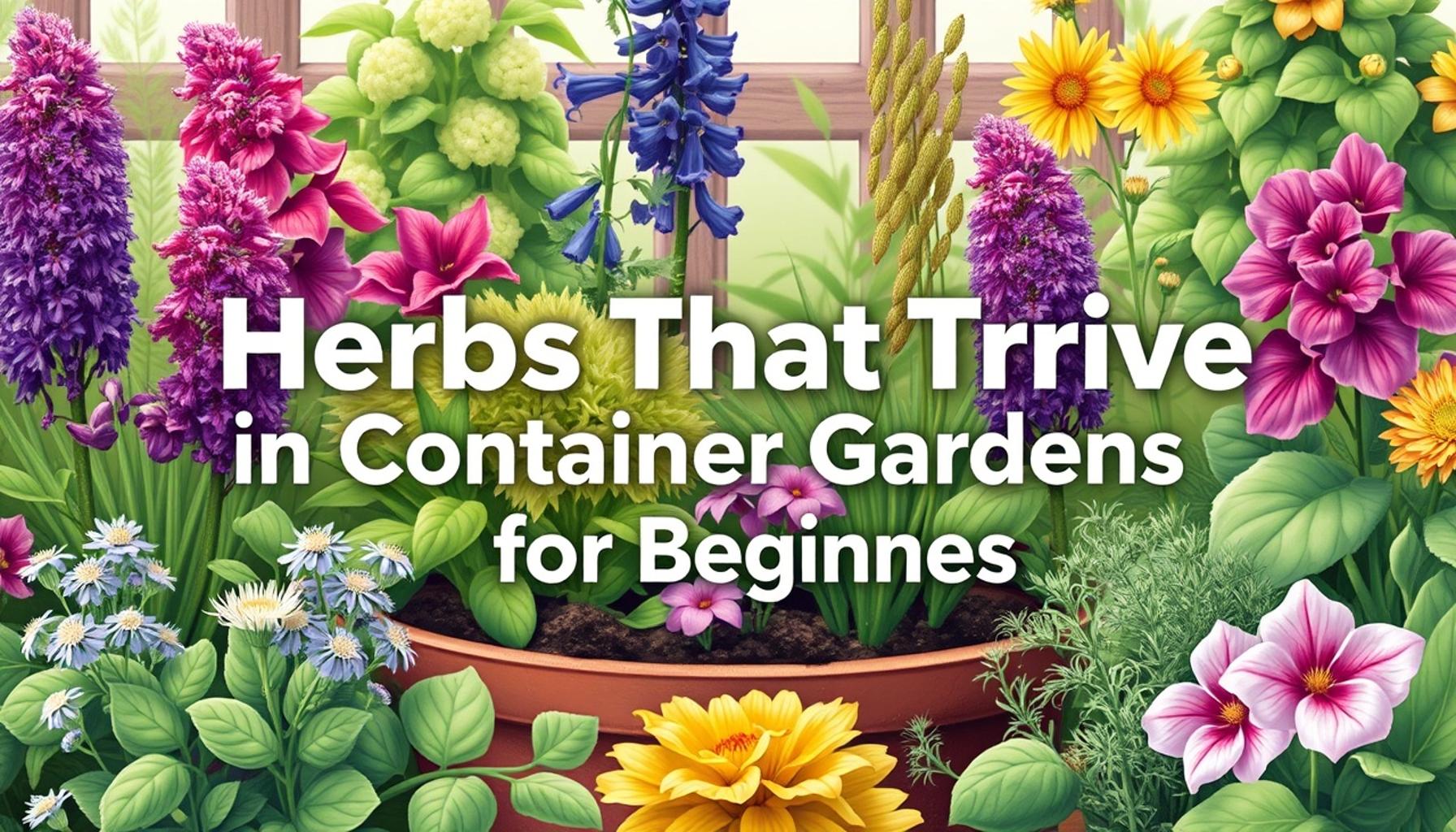
Container gardening has surged in popularity, particularly among urban dwellers and those with limited outdoor space. One of the most gratifying aspects of this gardening method is the ability to grow a variety of herbs just outside your door. Herbs are not only attractive, but they also thrive in pots, making them an ideal starting point for newcomers eager to delve into the gardening experience.
When considering the benefits of incorporating herbs into your container garden, several compelling reasons stand out:
- Versatility: Herbs can dramatically enhance the flavor profiles of numerous dishes, ranging from classic Italian sauces to refreshing summer salads. Varieties such as oregano and rosemary can elevate your homemade pizza, while cilantro adds a zesty kick to tacos and salsas.
- Accessibility: Growing herbs in containers means you can keep them at arm’s reach on small patios, balconies, or even kitchen windowsills. This accessibility encourages both cooking spontaneity and the joy of using freshly picked ingredients.
- Low Maintenance: Many herbs require minimal attention, which is ideal for novice gardeners. For example, once established, they often resist pests better than many vegetables and fruits, requiring less frequent intervention.
If you’re ready to embark on this rewarding journey of home gardening, certain herb varieties stand out for beginners:
- Basil: This sun-loving herb is a favorite in summer dishes and thrives in warm conditions. Its fragrant leaves are essential for pesto and can elevate tomato sauces, making it a must-have in Italian cuisine.
- Parsley: Known for its versatility, parsley is a hardy herb that grows well year-round, thriving in both sun and partial shade. It not only garnishes plates beautifully but also adds a fresh burst of flavor to various dishes.
- Mint: An aromatic and fast-growing herb, mint is perfect for beginners looking to teach themselves about the growing process. It can be used to brew refreshing teas or add flavor to desserts, giving your culinary creations an invigorating twist.
- Thyme: Compact and drought-resistant once established, thyme requires very little water while providing robust flavor. It works wonders in stews, roasts, and marinades, embodying a staple herb in many kitchens.
Container gardening not only fosters experimentation but also offers valuable lessons as you cultivate your herbs. By observing how different herbs respond to varying sunlight, water exposure, and pot sizes, you can gain insights that will benefit your small herb garden. Additionally, creating a green oasis of flavors and fragrances just outside your door can improve your cooking and inspire you to delve deeper into the rich world of culinary herbs.
As you consider your options, think about the right conditions for each herb and which varieties will harmonize with your cooking style. This exploration can lead you to discover exciting flavor combinations and even encourage you to branch into more complex gardening projects in the future. Embrace the journey and enjoy transforming your outdoor space into an aromatic garden of culinary delights!
DISCOVER MORE: Click here for essential tips on caring for your gardening tools
Choosing the Right Herbs for Container Gardens
When you take the leap into container gardening, particularly with herbs, a crucial element to focus on is selecting the right plants for your space and skill level. Each herb boasts distinct growing requirements, from sunlight exposure to watering needs, which you should consider to ensure a successful gardening experience. Let’s delve deeper into some of the best herbs that flourish in container gardens and offer beginner-friendly tips for nurturing them.
Opting for herbs that thrive in containers not only enhances the aesthetic appeal of your space but also maximizes your return on investment through flavorful culinary experiences. Here are some key herbs that stand out for novice gardeners:
- Oregano: This hardy herb is a staple in Mediterranean cooking. Oregano prefers sunny locations and well-draining soil, making it perfect for pots and planters. By regularly pruning and harvesting the leaves, you encourage growth and prevent it from becoming leggy.
- Chives: With their delicate onion flavor, chives are incredibly easy to grow in containers. Thriving in bright sunlight, they add a fresh touch to salads and soups. Chives are forgiving plants, often bouncing back even after a missed watering schedule.
- Sage: This robust herb adds flavor to meats and vegetables alike. Sage prefers full sun and can tolerate drought once established. Its striking gray-green leaves not only provide culinary benefits but also offer visual appeal in your container garden.
- Cilantro: As a key ingredient in many Latin American and Asian dishes, cilantro is quick to sprout and offers rapid harvesting opportunities. It loves cooler weather and can suffer in heat, so it’s best to plant it during spring or fall. Cilantro also enjoys rich, well-drained soil for optimal growth.
In addition to these herbs, it’s important to consider the growing conditions as you design your container garden. Each herb has its specific light, water, and soil requirements. Here are a few guiding principles to help ensure that your herbs flourish:
- Sunlight: Most culinary herbs prefer at least 6 hours of direct sunlight daily. Make sure you choose a location that receives adequate light, whether it’s a sunny balcony, patio, or window ledge.
- Soil: A high-quality potting mix will offer the necessary drainage and nutrients for your herbs. Consider incorporating organic matter to enrich the soil and promote healthy growth.
- Watering: Herbs in containers generally require more frequent watering than those in garden beds. Monitor the moisture levels regularly, ensuring the soil stays consistently damp but not waterlogged.
As you embark on your container gardening journey, remember that patience is key. Herbs can be forgiving, allowing you to learn from your experiences. By exploring various herbs and their specific requirements, you will cultivate both your garden and your culinary repertoire, enriching your meals with the freshness of home-grown herbs.
Exploring the Best Herbs for Container Gardens
Container gardening is a fantastic way for beginners to dive into the world of gardening, especially when it comes to growing herbs. The appeal of herbs lies not only in their culinary applications but also in their aromatic qualities and therapeutic benefits. Many herbs thrive in confined spaces and can offer a rewarding experience for novice growers. Let’s explore some of the best herbs for container gardens and what makes them such strong candidates for beginners.
| Herb | Advantages |
|---|---|
| Basil | Grows quickly and produces fragrant leaves, ideal for culinary uses. |
| Mint | Thrives in various conditions and great for refreshing beverages. |
| Parsley | Rich in vitamins; adds flavor and nutrition to salads and dishes. |
| Chives | Resilient and easy to grow; adds a mild onion flavor. |
Starting with these herbs can significantly boost your gardening confidence. As some of the simplest herbs to maintain, they offer both flavor and an opportunity to learn about plant care without the intimidation often associated with larger gardening projects. When grown in containers, these herbs can be placed in sunny spots around your home, allowing for easy access and continuous enjoyment through their growing seasons. Whether you are looking to spice up your meals or cultivate a soothing garden environment, these herbs can meet your needs beautifully.
As you become acquainted with these plants, you’ll likely discover that understanding their growth habits and preferences is key to thriving container gardens. This journey into container herb gardening serves as a great introduction to a rewarding hobby filled with endless possibilities.
LEARN MORE: Click here for essential tips
Essential Tips for Growing Herbs in Containers
While selecting the right herbs is crucial to your container garden’s success, understanding the finer details of herb care can make all the difference, especially for beginners eager to reap the fruits of their labor. Growing herbs in containers not only offers flexibility in terms of placement but also allows for better control over the growing environment. Below are some essential tips to keep your herbs thriving throughout their growing season.
Understanding Container Sizes and Types
The size of the container you choose is significant. Each herb varies in root depth and spread, necessitating different pot sizes. For instance, a large pot (at least 12 inches in diameter) is particularly beneficial for herbs like basil and mint that tend to spread wide and develop extensive roots. Conversely, smaller pots can suffice for compact herbs like chives or thyme.
Furthermore, opt for containers made from materials like clay or ceramic that offer proper insulation and drainage. Terracotta pots are especially popular as they are breathable and allow for moisture evaporation, though they do require more frequent watering due to their porous nature.
Feeding and Fertilizing Your Herbs
To grow robust herbs, fertilization is necessary, even in nutrient-rich potting soil. A balanced, slow-release fertilizer sprinkled at the beginning of the growing season can provide essential nutrients. Look for fertilizers with equal parts nitrogen, phosphorus, and potassium, often represented as a 10-10-10 ratio. Alternatively, you can explore organic options such as compost tea or seaweed extract to nourish your herbs while being conscious of their growth.
Pest Management in Container Gardens
While growing herbs in containers can help mitigate pest problems, it’s important to remain vigilant. Common pests that can affect your herbs include aphids, spider mites, and whiteflies. Regularly inspecting your plants can help you catch any infestations early. If you do encounter pests, consider introducing beneficial insects, like ladybugs, or using organic insecticidal soap as a treatment. Creating a diverse container garden, combining different herbs, can also help deter unwanted pests through natural plant repellent properties.
Seasonal Care for Container Herbs
Container gardening allows you to tailor your herb growing season, especially in areas with fluctuating climates. For regions with harsh winters, you have the option to bring your pots indoors or to move them to a sheltered area when temperatures drop. Conversely, if you reside in a warm climate, be mindful of shading your herbs during the peak heat of summer.
Seasonally adjust your watering schedule based on humidity levels—during hotter months, consider watering your containers more frequently while reducing the frequency when temperatures drop.
Experimenting with Companion Planting
As you grow confident in your herb gardening skills, you might want to experiment with companion planting. Certain herbs can benefit from being grown together; for example, planting basil alongside tomatoes often enhances both plants’ flavors. You might also discover that growing herbs like rosemary can help repel pests from nearby plants, adding an extra layer of protection to your container garden.
With these tips at your disposal, you can embark on a fulfilling journey of container herb gardening. By nurturing your plants and understanding their needs, you will cultivate not only flavorful additions to your meals but also a rewarding hobby that deepens your connection with nature. Keep experimenting, learning, and delighting in the many flavors your garden brings to your kitchen.
DISCOVER MORE: Click here to find the top tools you need
Conclusion: The Joy of Container Herb Gardening
In conclusion, growing herbs in container gardens presents an accessible and rewarding endeavor for beginners eager to cultivate their green thumbs. By selecting the right herbs—such as basil, mint, and parsley—you can create a versatile garden that not only beautifies your space but also provides fresh ingredients for your culinary adventures. Understanding essential factors, including container size, fertilization, and pest management, equips you with the tools needed for success. The adaptability of container gardening allows you to tailor your approach to suit your local climate, whether by moving pots indoors during winter or shading them in the summer heat.
Moreover, exploring companion planting can yield surprising benefits, as certain herbs enhance the growth and flavor of others while naturally deterring pests, which creates a harmonious ecosystem right at your fingertips. The journey of container herb gardening goes beyond merely growing plants; it fosters a deeper connection with nature and offers a chance to embrace sustainable practices.
As you nurture your herbs, you’ll discover the satisfaction of transforming your garden into a personal oasis of flavor and fragrance. So, roll up your sleeves and enjoy the process of experimentation and discovery, knowing that with each small success, you’re developing skills that will serve you well in your gardening journey. Embrace the adventure and relish the aromas and taste of homegrown herbs, right from your container garden!