Maximize Your Home Space Impact on Creating Minimalist Environments
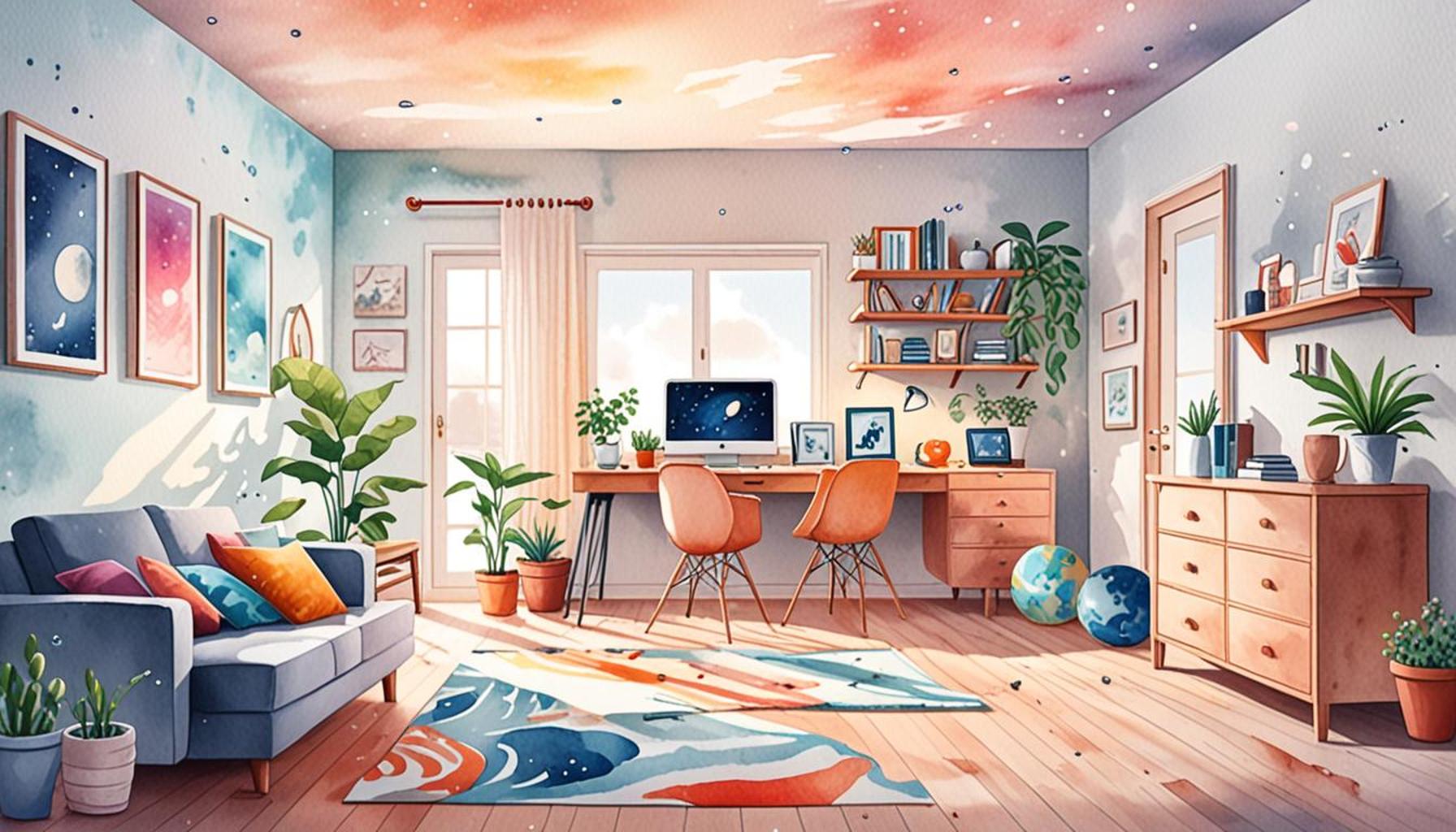
In an age where clutter often overwhelms our living spaces, the concept of minimalism emerges as a breath of fresh air. Maximizing home space effectively not only enhances the overall aesthetic but also improves mental clarity and well-being. By embracing the principles of minimalism and personal organization, individuals can transform chaotic environments into serene havens.
The relevance of effective space management in creating minimalist environments cannot be overstated. Consider the following key aspects:
- Decluttering: Removing unnecessary items lays the foundation for a minimalist lifestyle.
- Smart storage solutions: Creative organization techniques help maximize available space.
- Simplicity in design: Choosing fewer, high-quality items prioritizes quality over quantity.
- Emotional well-being: A streamlined environment promotes calm and productivity.
- Environmental impact: Fewer possessions can lead to reduced consumption and waste.
Ready to explore the practical strategies that can enhance your home? In this article, we will rank the Top 5 approaches to maximizing space and creating minimalist environments that inspire tranquility and organization.
Top 5: The Impact of Space Management on Creating Minimalist Environments at Home
As homes evolve into sanctuaries of peace and personal expression, many individuals are increasingly drawn to minimalism—a lifestyle choice that emphasizes clarity, simplicity, and purposeful living. The efficient management of space plays a fundamental role in actualizing this vision. By strategically organizing and optimizing living spaces, homeowners can create environments that exude tranquility while also being highly functional. Below, we delve into the top five impactful aspects of space management that contribute to the effective establishment of minimalist homes.
5. Clutter Control
Any journey toward minimalism begins with diligent clutter control. Clutter can rapidly accumulate, turning functional spaces into chaotic environments that drain energy and detract from the overall ambiance. Managing clutter is about curating your possessions so that every item serves a purpose or brings joy. To achieve this, homeowners should routinely evaluate their belongings and discern between what is essential and what can be discarded or donated.
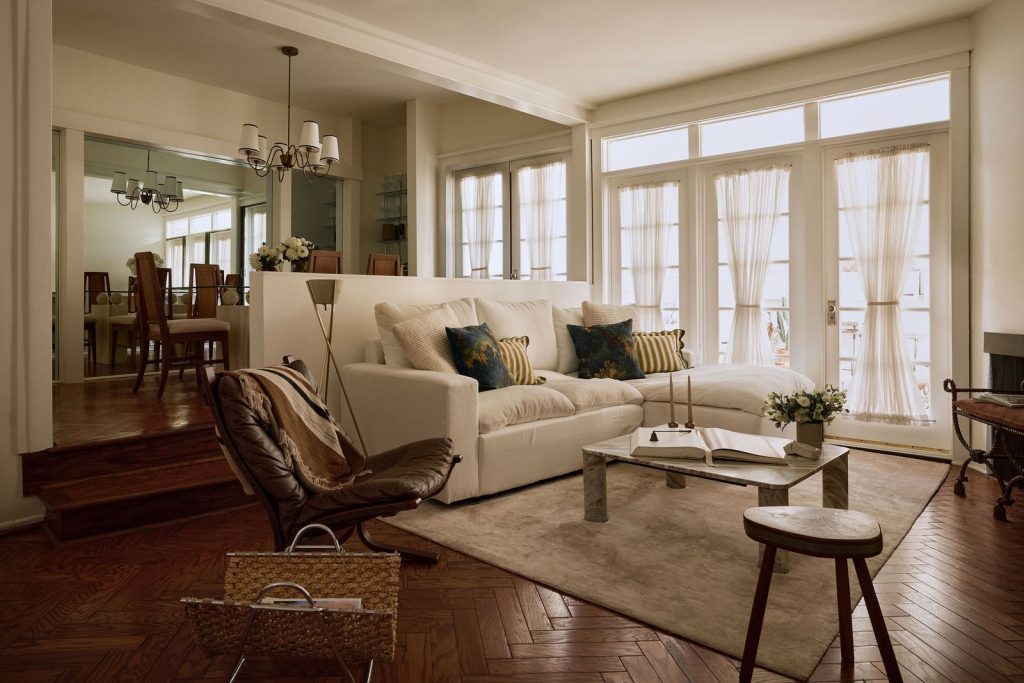
- Regular Decluttering Sessions: Consistency is key. Scheduling regular decluttering sessions—be it weekly, monthly, or seasonally—helps keep clutter in check and prevents it from stealthily invading your living space.
- Designate a ‘Clutter Box’: Instead of allowing items to pile up with no home, use a clutter box for temporary storage. This helps manage items that are frequently used together or may not yet have a designated spot, ensuring they do not contribute to visual chaos.
- Sentimental Items: Sentimental possessions often pose the greatest challenge. Limiting these items to a specific area or box allows for meaningful preservation without overwhelming the minimalist space.
4. Functional Furniture
Functional furniture is a cornerstone of minimalist interior design. It enables homeowners to maximize space without sacrificing comfort or style. In a minimalist home, every piece of furniture should serve multiple purposes and ideally include storage components that help maintain a tidy atmosphere. Considerations when selecting furniture include its size, versatility, and aesthetic fit with the overall decor.
- Size: The dimensions of each piece should harmonize with the available space to avoid crowding and to maintain a sense of openness.
- Versatility: Opt for furniture that can be easily transformed or repositioned for different uses, such as a sofa that doubles as a bed or a dining table that serves as a workspace.
- Simple Aesthetic: Pieces with clean lines and neutral colors blend seamlessly into a minimalist environment, allowing the decor to feel coherent and uncluttered.
3. Clear Pathways
Maintaining clear pathways within your home is vital for promoting feelings of openness and ease. Spaces should enable effortless movement, creating a harmonious flow that enhances both the aesthetic and functional aspects of the home. By mindfully arranging furniture and decor, you are able to cultivate an environment that feels expansive and inviting.
- Use Rugs to Delineate Spaces: Rugs can subtly define areas without adding physical barriers, guiding movement and visually organizing the space.
- Position Furniture Strategically: Arrange furniture to allow for easy navigation so that pathways remain unobstructed, supporting a sense of freedom and space.
- Avoid Excessive Decoration: Minimize decor along passageways to ensure that they remain clear and visually appealing, enhancing the minimalist ethos.
2. Smart Storage Solutions
In a minimalist home, smart storage solutions are indispensable. They allow for the subliminal organization of everyday items, keeping the living space both accessible and aesthetically pleasing. Employ techniques such as vertical storage to reduce floor clutter, as well as stylish bins and boxes for storing items in plain sight yet out of view.
- Floating Shelves: These provide a sleek solution for displaying decorative items and books without encroaching on valuable floor space.
- Under-Bed Storage Bins: Optimize space under the bed for seldom-used items like seasonal clothing or extra linens.
- Built-in Cabinetry: Wall cabinets can be cleverly designed to blend with existing decor, offering ample storage while minimizing physical intrusion in the room.
1. Intentional Design Choices
Foremost in the hierarchy of space management considerations is the role of intentional design choices. Crafting a minimalist home involves careful selection of elements that resonate personally and contribute meaningfully to the living environment. A focus on materials, color schemes, and selective decor transforms a house into a peaceful refuge.
- Mindful Décor Selection: Choose decor that offers personal significance and utility rather than adhering to trends, as this ensures respect for space and a stronger connection to the environment.
- Usage of Natural Materials: Integral to soothing and sustainable design, materials such as wood and stone inherently promote tranquility and longevity.
- Maximizing Natural Light: Leveraging natural light can drastically alter a space, using sheer curtains or mirrors to enhance brightness and openness.
In conclusion, space management is integral to the realization of a minimalist home, supporting mental clarity and functionality. Through strategies such as clutter control, functional furniture, clear pathways, smart storage solutions, and intentional design, homeowners can create living spaces that reflect simplicity and serenity. Delve into these techniques and discover a minimalist lifestyle that harmonizes with your household needs and personal aspirations, paving the way for a balanced and purposeful existence.
In exploring the impact of space management on the creation of minimalist environments at home, it becomes evident that this approach transcends mere aesthetics; it fundamentally reshapes how individuals interact with their living spaces. Effective space management not only promotes a sleek appearance but also fosters a profound sense of peace and well-being within the home. One of the most compelling aspects of minimalism is its emphasis on the functionality of every item within a space. This invites homeowners to critically assess their possessions and retain only those that serve a purpose or bring joy. Consequently, this mindset leads to the decluttering phenomenon, which has been shown to significantly reduce stress levels. Studies indicate that individuals surrounded by clutter experience heightened anxiety and distraction. By contrast, minimalist spaces that embrace a thoughtful organization encourage mindfulness, allowing individuals to focus on their experiences rather than their belongings.Moreover, the environmental benefits of space management in minimalist designs cannot be overlooked. With conscious decisions about what to keep and what to discard, homeowners often find themselves gravitating toward sustainable and multifunctional items. For instance, choosing furniture with built-in storage or opting for multi-purpose designs maximizes utility while minimizing waste. This conscious consumerism aligns with broader trends towards eco-friendly living and contributes to a reduction in one’s carbon footprint. Another consideration is the psychological aspect of living in a minimalist environment. Many advocates of minimalism suggest that reducing visual clutter can lead to improved clarity of thought and increased productivity. In work-from-home scenarios, a minimalist approach can create an optimal workspace that enhances concentration and reduces feelings of overwhelm. Furthermore, minimalist homes prioritizing open spaces and natural light can evoke feelings of tranquility, further promoting mental well-being.Ultimately, the art of space management in creating minimalist environments at home serves as a bridge between functionality and personal expression. By consciously curating their surroundings, individuals can create havens that not only reflect their values but also enhance their quality of life. As we continue to navigate a complex and often overwhelming world, the principles of minimalism offer a pathway to serenity by demonstrating that less can indeed be more. The journey toward a minimalist lifestyle is deeply personal and invites ongoing reflection and adaptation, allowing individuals the flexibility to shape their spaces in a way that resonates with their life journeys. Embracing this philosophy is not simply about reducing clutter but about enriching one’s living experience through intentionality and space management.
Frequently Asked Questions about Space Management in Minimalist Home Design
What is space management and why is it important in a minimalist home?
Space management involves the strategic arrangement and organization of furniture, decor, and everyday items within your home. It plays a crucial role in minimalist design, where the goal is to create an environment that feels open and uncluttered. By efficiently managing your space, you can enhance functionality and promote a sense of tranquility and order. Effective space management can make even smaller homes feel more spacious and inviting, which is a fundamental principle in minimalist living.
How can I start incorporating space management techniques for a minimalist environment?
Begin by evaluating your current living space and identifying areas that may be cluttered or underutilized. Consider using multipurpose furniture, such as a sofa bed or a table with storage options. Decluttering is essential; remove items that no longer serve a purpose or bring you joy. Pay attention to the positioning of furniture, leaving enough room for movement, and aim for a balance between aesthetics and practical use. Remember, minimalism is not about having the least items, but rather about having the right items that complement and optimize your space.
What are the benefits of a minimalist home environment?
Adopting a minimalist home environment offers numerous benefits, both physically and mentally. Physically, it reduces clutter, making cleaning and maintenance easier. Mentally, a well-managed minimalist space can decrease stress and increase focus by removing unnecessary distractions. Additionally, it fosters a sustainable lifestyle, encouraging you to be more selective with purchases and consumption. A minimalist home prioritizes quality over quantity, creating a harmonious living environment that supports productivity and serenity.
Are there any challenges associated with maintaining a minimalist home?
One of the primary challenges in maintaining a minimalist home is resisting the urge to accumulate items and ensuring that new additions truly align with your minimalist ideals. Regular reassessment and decluttering are necessary to maintain the balance of space and simplicity. Additionally, it may be challenging to convince other household members to adopt the minimalist approach, requiring clear communication and compromise. Despite these challenges, the long-term benefits of living minimally make the effort worthwhile.
Can space management in a minimalist home increase property value?
Yes, effective space management and a minimalist aesthetic can potentially increase your property’s value. A well-organized, clutter-free home enhances its visual appeal, making it more attractive to potential buyers. Minimalist spaces often highlight the home’s strengths, such as natural light and architectural features, which can positively influence a buyer’s perception. Investing in space management and minimalist design can be seen as an investment in your home’s marketability and value.
Conclusion: The Impact of Space Management in Creating Minimalist Home Environments
The essence of minimalism lies in optimizing space efficiently and intentionally, transforming our homes into havens of simplicity and tranquility. Through the strategic management of space, we not only achieve aesthetic appeal but also gain significant benefits in productivity, mental clarity, and personal satisfaction.
In this exploration of space management’s role in minimalism, several key insights stand out. Firstly, the art of decluttering emerges as a foundational step, urging us to release unnecessary possessions and lay the groundwork for a streamlined and serene environment. Following this, the principle of intentional organization plays a crucial role, advocating for a systematic arrangement of remaining items to achieve accessibility and harmony.
Key Takeaways for a Minimalist Revival
- Embrace simplicity: Simplifying our belongings leads to a less chaotic and more peaceful home.
- Use multifunctional furniture: Multifunctional pieces not only save space but also offer versatility.
- Maximize vertical storage: Efficient use of vertical space can remarkably enhance room functionality.
- Revise frequently: Continual reassessment helps maintain a clutter-free environment.
- Create intentional spaces: Deliberately design each room with a clear purpose and minimal elements.
The impact of thoughtfully managed spaces in fostering minimalist environments is profound. In creating these calm and organized surroundings, individuals report feeling more focused, less stressed, and more in touch with their personal priorities. As you continue your journey toward minimalism, remember that the end goal is not perfection, but a meaningful alignment between your space and lifestyle.
This rich and approachable strategy encourages an ongoing commitment to self-reflection and awareness, inviting further exploration and reform within one’s personal environment. Whether one seeks aesthetic minimalism or deeper psychological serenity, the impact of space management is undeniable and transformative.