
Minimalist Organization Create Calm Spaces for a Peaceful Mind
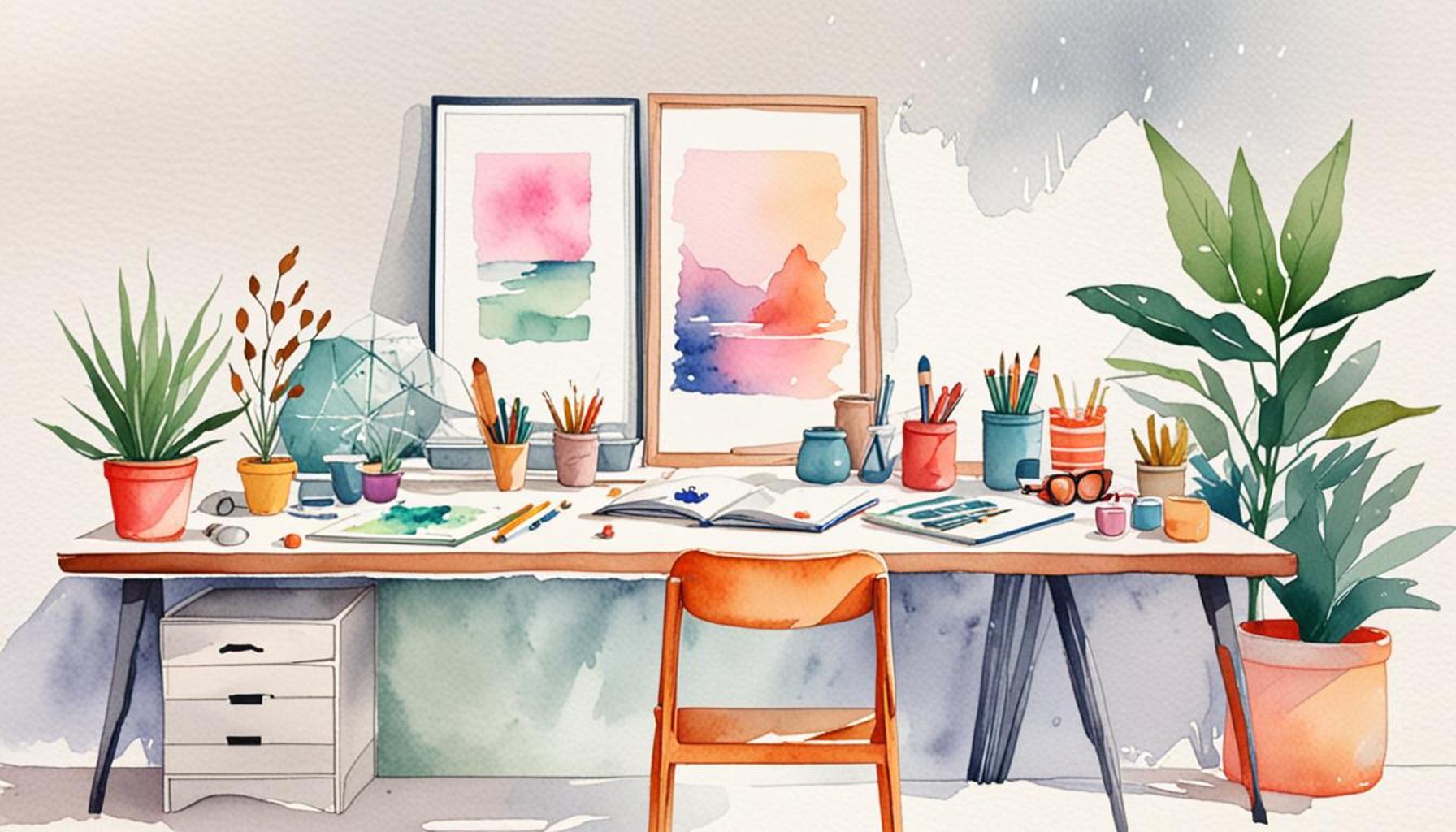
In today’s fast-paced world, clutter can easily overwhelm our physical spaces and mental clarity. The concept of minimalism transcends mere aesthetic choices; it offers a pathway to a more intentional and serene lifestyle. By focusing on what truly matters, minimalism encourages us to create environments that promote calmness and well-being.
As we explore the connection between personal organization and a minimalist approach, it’s essential to recognize how clear spaces can lead to clear minds. Adopting a minimalist mindset is not only about reducing physical items but also cultivating an atmosphere that fosters tranquility. Here are some key points to consider:
- Minimalism emphasizes simplicity and functionality.
- Organized spaces can enhance productivity and reduce stress.
- A calm environment promotes mental clarity.
To help you embark on this transformative journey, we have compiled a Top 5 list of practical tips and tools that can elevate your organization skills while aligning with minimalist principles. Dive in to discover how you can create your serene sanctuary.
Top 5: Minimalist Organization – Creating Calm Spaces for a Serene Mind
In today’s world, filled with constant distractions and stimuli, the pursuit of a calmer and more serene environment has become essential. Minimalist organization is not just a design trend; it is a lifestyle philosophy that directly impacts our mental and emotional health. In this article, we will explore the five best ways to create spaces that promote tranquility and enhance mental clarity. Discover how simplicity can lead to serenity.
5. The Importance of a Clean Space
Creating a clean space is the foundational step in minimalist organization. A cluttered environment can lead to sensory overload, increasing anxiety and making it difficult to concentrate. By removing unnecessary items and dirt, you create a space that is not only visually pleasing but also mentally de-stressing.
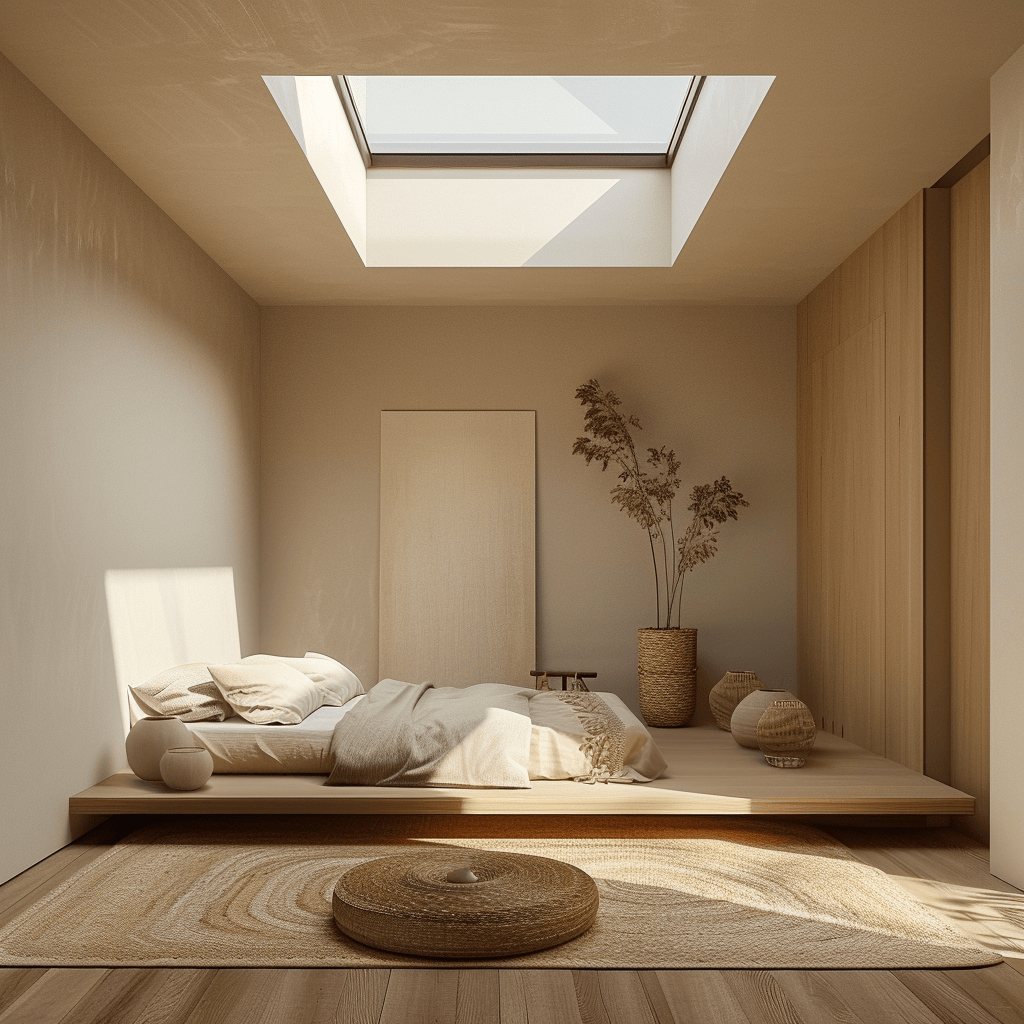
Begin by assessing what is truly necessary. Ask yourself: “Does this item bring me joy or utility?” If not, it might be time to let it go. One simple approach is the 90-day rule: if an item has not been used in the past 90 days, consider parting with it.
- Schedule a weekly cleaning session.
- Avoid accumulating items without a designated space.
- Limit decorations to a few pieces that genuinely represent your essence.
4. Functional and Attractive Furniture
Choosing functional furniture is a crucial part of minimalist organization. Opt for pieces that offer built-in storage or serve multiple purposes. For example, a coffee table that doubles as a storage box or a sofa bed can maximize space without compromising style.
Furthermore, select furniture with a clean design and neutral colors that promote calmness. Studies show that colors such as blue and green are associated with a sense of tranquility. The combination of functional furniture and a soothing color palette can transform your environment into a sanctuary.
3. Reduce Digital Clutter
Organization is not limited to physical spaces; digital spaces also require attention. Maintaining an organized virtual workspace can boost productivity and reduce stress. Categorize files, delete old emails, and remove unused applications. A clean desktop enhances aesthetics and facilitates navigation.
Consider setting up a cloud storage system to keep your documents organized and accessible. Using digital time management and task management tools can also help minimize distractions, allowing you to focus on what truly matters.
2. Create Calm Zones
Dedicate a part of your home as a calm zone. This should be a space where you can relax, meditate, or simply disconnect from the bustling world around you. Add elements that promote serenity, such as plants, aromatic candles, and comfortable cushions.
This space doesn’t need to be large; even a reading corner can become a sanctuary of peace. Remember, the intention is to create an area that invites tranquility. Keep this zone free from clutter and take time daily to enjoy it.
1. The Practice of Mindfulness and Detachment
Finally, the most powerful technique in minimalist organization is the practice of mindfulness and detachment. Understanding the difference between need and desire is crucial. By focusing on what truly matters in your life, you can eliminate the pressure to accumulate things, creating an environment that fosters peace of mind.
Dedicate moments to reflect on your consumption habits and question what truly brings satisfaction. Over time, this not only results in a more organized home but also promotes a more serene and focused mindset.
Incorporate meditation and mindfulness into your daily routine. These practices encourage awareness and presence, helping you appreciate the simplicity of your surroundings. In a minimalist space, every item has meaning, and each moment becomes an opportunity for mindfulness.
Minimalist organization is about more than just removing clutter; it is about creating an environment that reflects and supports your state of mind. As you embark on this journey, observe the positive changes it brings to your life, from enhanced mental clarity to a deeper appreciation for the simple joys. By prioritizing what truly matters, you invite a sense of peace that reverberates through every aspect of your life.
| Category | Description |
|---|---|
| Clutter Reduction | By focusing on minimalism, individuals can significantly lower the amount of clutter that surrounds them. This not only enhances physical spaces but promotes mental clarity. |
| Mindfulness | Embracing a minimalist environment encourages mindfulness practice, where individuals can become more aware of their surroundings and their thoughts, enabling a peaceful mental state. |
| Enhanced Productivity | A calm and organized environment leads to heightened productivity. With fewer distractions, individuals can focus better and accomplish tasks with greater efficiency. |
| Emotional Balance | Minimalist spaces often translate to greater emotional stability. With a simple, serene atmosphere, one can reduce stress and anxiety levels, fostering a more balanced life. |
Adopting minimalism does more than just tidy up spaces; it creates an environment conducive for a peaceful and serene mindset. Clutter reduction leads to a remarkably refreshing sense of order, helping individuals let go of the distractions that overshadow their daily lives. In today’s fast-paced world, where stimuli often overwhelm, this aspect becomes crucial for nurturing not only one’s physical space but also their mental health.Moreover, minimalism paves the way for a practice of mindfulness. By purposefully simplifying their surroundings, people can shift their focus to appreciating the smaller details in life. This newfound awareness can be a gateway to enhancing emotional wellness, where being present becomes the norm rather than an occasional practice. An organized space doesn’t just feel good; it does good too. The correlation between a calm environment and enhanced productivity isn’t just anecdotal. Many who embrace minimalist principles report feeling more focused and capable of tackling their tasks without the usual interruptions that clutter can cause. This increased efficiency is an attractive lure for anyone looking to optimize their time and energy.Lastly, the emotional balance that comes from simplifying one’s space cannot be overlooked. As distractions diminish and stress recedes, individuals often experience a more grounded, serene approach to life’s myriad challenges. Such a transformation highlights the profound impact of physical surroundings on mental clarity and emotional well-being. With these advantages, minimalism is not just a trend, but a way to cultivate a more fulfilling life experience.
Frequently Asked Questions about Minimalist Organization
What is minimalist organization and how does it differ from regular tidying?
Minimalist organization is more than just cleaning or arranging items. It’s a lifestyle focused on intentionality and prioritizing what truly adds value to your life. Unlike regular tidying that might just relocate clutter, minimalist organization involves a critical examination of each item’s purpose and relevance. The goal is to create spaces that are free from distractions and filled with only what is necessary, leading to a more serene and thoughtful environment.
How can minimalist organization improve mental well-being?
Research suggests that cluttered spaces can increase stress and anxiety, hindering mental clarity. By adopting minimalist organization, individuals can reduce these stressors, enhancing focus and fostering a sense of calm. A well-organized environment allows for better concentration, improved productivity, and a greater sense of control over one’s surroundings, directly contributing to a more serene mind.
What are some practical steps to begin a minimalist organization approach?
Starting a minimalist organization journey involves several actionable steps. Begin with a strategic decluttering process; evaluate each item on its utility and emotional significance. Create designated spaces for essentials and maintain an ‘in-out rule’—for every new item brought in, one must go. Additionally, regular maintenance routines are crucial for sustaining a minimalist space. Remember, it’s not about perfection but about progress towards a calmer environment.
Are there specific strategies for organizing different areas of the home minimally?
Indeed, different spaces require tailored strategies for minimalist organization. In the bedroom, focus on creating a restful atmosphere by minimizing furniture and keeping surfaces clear. For the kitchen, use efficient storage solutions like closed cabinets to maintain a sleek look. Living areas benefit from multipurpose furniture that reduces clutter. By applying specific tactics to each area, you can ensure a cohesive and tranquil home environment.
Does minimalism mean getting rid of sentimental items?
Not necessarily. Minimalism isn’t about discarding possessions indiscriminately but rather about keeping items that hold genuine significance. Sentimental items can be retained if they align with the overall purpose of maintaining a clutter-free space. The key is to make thoughtful choices, ensuring that even sentimental pieces contribute to rather than detract from a serene atmosphere. Utilize creative solutions, like digital archives, to preserve memories without physical clutter.
Conclusion: Embracing Minimalism for Serenity
The minimalist approach to organization goes beyond aesthetics, offering a pathway to achieving serenity in the chaos of everyday life. By integrating minimalist principles, we can create spaces that not only look inviting but also promote mental clarity and emotional well-being.
Throughout this article, we’ve explored how decluttering and simplification serve as fundamental pillars in organizing our personal environments. This involves critically assessing our possessions and consciously selecting only those that add genuine value to our lives. By doing so, we eliminate distractions and cultivate a space that reflects tranquility, fostering a serene state of mind.
The benefits of this lifestyle are numerous. Minimalism reduces decision fatigue, allowing us to focus more effectively on what truly matters. Moreover, it paves the way for a healthier living environment, both physically and mentally. The connection between a tidy space and a calm mind cannot be overstated, as clutter often translates to unnecessary stress and anxiety.
A Path to Continuous Exploration
Embracing minimalist organization isn’t a one-time project but a continuous journey that encourages mindfulness about our consumption habits and the creation of focused, intentional living spaces. The simplicity gained from this approach provides the freedom to explore new interests and opportunities with a clear mind.
As we conclude, it is important to remember that minimalism isn’t about deprivation but rather about enhancing life’s quality by removing excess. For those interested in delving deeper into this lifestyle, consider how each item contributes to your daily peace and well-being. Minimalism offers not only a method for organizing space but also a strategic approach to achieving a serene and fulfilled life.