Optimizing Small Spaces: Space Management Strategies for a Minimalist Lifestyle
Embrace the Challenge of Small Living
Living in a small space can often lead to creativity and resourcefulness. It requires a different approach to how we think about our belongings and lifestyle choices. Adopting a minimalist lifestyle not only helps in decluttering but also in maximizing what little space we have. The concept of minimalism encourages individuals to focus on the essentials, enabling them to curate their surroundings to better suit their lifestyle needs.
Here are some key strategies to consider:
- Smart Storage Solutions: Utilize vertical space and multifunctional furniture to create more room. Consider furniture that serves double duty, such as a bed with built-in drawers or a coffee table that can expand to a dining table. For example, wall-mounted shelves not only display decorative items but also free up floor space, making your home feel more open and organized.
- Decluttering Techniques: Regularly assess your belongings and keep only what you truly need. One popular method is the KonMari Method, developed by Marie Kondo, which encourages individuals to evaluate items based on whether they spark joy. It’s an effective way to part with items that no longer serve a purpose, thus simplifying life and creating a tranquil living environment.
- Creative Design Ideas: Optimize layouts and use light colors to make spaces feel larger. For instance, incorporating mirrors can create an illusion of depth and luminosity in cramped areas. Similarly, opting for a monochromatic color scheme can unify various elements of a room, making it feel cohesive and expansive.
Studies show that individuals living in small spaces experience less stress and increased focus. This adjustment not only enhances living conditions but also encourages a more intentional way of life. The psychological benefits of embracing minimalism include reduced anxiety and a heightened sense of control over one’s life. By understanding space management strategies, you can transform your environment into a sanctuary of simplicity and efficiency.
Exploring these techniques offers numerous practical applications. As you dive deeper into the world of minimalist living, remember that every small change counts. For instance, a small balcony can become a serene reading nook with the right seating and greenery, enhancing your quality of life without requiring a comprehensive renovation. Uncover the potential of your space while embracing a lifestyle that values quality over quantity. This journey might not only redefine your home but can also inspire a newfound appreciation for the simpler things in life.
DISCOVER MORE: Click here to learn how to maximize your home space
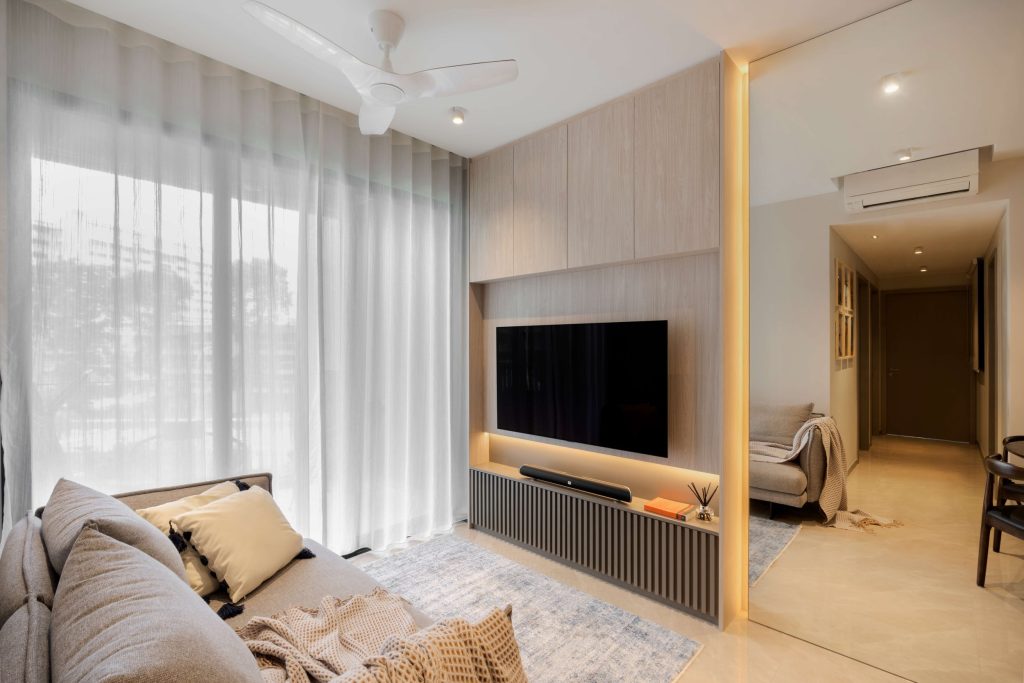
Transforming Your Environment: Practical Space Management Techniques
In the quest to maximize limited square footage, employing space management strategies becomes essential for those leading a minimalist lifestyle. These techniques not only enable efficient use of space but also foster a living environment that promotes calm and clarity. By strategically thinking about how we organize and interact with our surroundings, we can create a harmonious balance between functionality and aesthetics. Here are several effective approaches to reimagining small spaces:
- Vertical Storage Solutions: Take advantage of your walls by installing tall bookshelves, pegboards, or hanging racks. These solutions draw the eye upwards, making a room feel more expansive. With items stored off the floor, you can reclaim valuable square footage for movement and relaxation.
- Multifunctional Furniture: Invest in furniture pieces that serve multiple purposes, such as a sleeper sofa or an ottoman that doubles as a storage chest. These versatile options reduce clutter while maximizing the utility of your space. A Murphy bed, for instance, can transform a tight studio apartment into a guest room, providing flexibility without sacrificing style.
- Utilizing Hidden Spaces: Small spaces often have nooks and crannies that can be easily overlooked. Consider outfitting under-stair areas with built-in drawers or using the space above cabinets for storing items you don’t need daily. Employing these hidden areas for storage helps maintain an organized appearance in your living space.
- Declutter Regularly: Periodically assess your belongings for items to donate or discard. This practice helps maintain a clutter-free environment, allowing you to focus on what truly matters to you. Adopt the 80/20 rule, where 20% of your possessions are used 80% of the time. This guideline encourages conscious consumerism and a simplified lifestyle.
As you explore these techniques, consider the psychology behind minimalist living. Research indicates that a decluttered space can lead to increased productivity and a reduction in stress levels. By embracing a minimalist approach, individuals often find themselves more focused and able to appreciate the beauty of their surroundings. Instead of feeling overwhelmed by what they possess, they cultivate a deeper connection to their chosen items, fostering a greater sense of peace and satisfaction.
The journey to optimizing small spaces is not solely about aesthetics; it’s about creating a haven that reflects your values and supports your lifestyle. In essence, each modification you implement contributes to a more fulfilling and intentional living experience. As you delve into these strategies, you’ll uncover a deeper appreciation for simplicity and the way your space functions for you, rather than against you.
Strategies for Space Optimization
When pursuing a minimalist lifestyle, strategies for optimizing small spaces are essential for creating a functional and aesthetically pleasing environment. Here are some innovative approaches to elevating your living space while embracing minimalism:
1. Multi-Functional Furniture
Utilizing furniture that serves multiple purposes can drastically reduce clutter. For instance, consider a sofa bed that not only provides seating but can also transform into a comfortable sleeping space for guests. Look for ottomans with storage capabilities or foldable dining tables that can be tucked away when not in use. This flexibility allows you to maximize your small space without sacrificing comfort or style.
2. Vertical Storage Solutions
Harnessing vertical space is a game changer in small living areas. Shelving units that reach up to the ceiling create additional storage while drawing the eye upward, making the room feel larger. Wall-mounted storage solutions, such as pegboards or floating shelves, can display books, plants, or decorative items without consuming valuable floor space. Additionally, hanging organizers in closets and on doors are effective for keeping smaller items within easy reach.
3. Decluttering Regularly
A minimalist lifestyle revolves around the principle of “less is more.” Regularly assessing your belongings and making conscious decisions about what to keep can transform your space. Implement the “one in, one out” rule: for every new item you bring in, consider donating or discarding an existing one. This habit not only keeps spaces tidy but also encourages a more intentional approach to consumption.
4. Light and Color Choices
The colors and lighting you choose can significantly impact how spacious a small area feels. Opting for lighter shades on walls can create an illusion of openness. Incorporating mirrors can also reflect light, enhancing the feeling of airiness. Choosing sheer curtains permits natural light to flow in, brightening the environment. These small adjustments can create a more inviting and spacious atmosphere.
5. Use of Nooks and Crannies
Every inch of a small space matters. Identify underutilized areas such as corners, staircases, and small alcoves to incorporate storage or display options. Corner shelves or built-in cabinetry can effectively utilize these often-overlooked spaces. This strategic use of available areas can help maintain an organized environment while showcasing your personal style.Through these strategies, individuals can effectively manage their space while enjoying the benefits of a minimalist lifestyle. As you explore more techniques for optimizing small spaces, you will discover that simplicity does not compromise style or functionality. The journey to maximizing your living environment is both rewarding and liberating, allowing you to fully enjoy your minimalist journey.
DISCOVER MORE: Click here to learn how to maximize your home space
Smart Hacks for Efficient Small Space Living
Beyond the conventional methods of storage and organization, optimizing small spaces also entails integrating innovative hacks that enhance functionality without overwhelming the aesthetics of your home. The small living trend in urban environments has spurred creativity, resulting in unique solutions tailored to meet the demands of compact living. Below are several inventive strategies that can help make the most of your small space while embracing a minimalist lifestyle:
- Creative Use of Color and Light: The right choice of colors and lighting can significantly impact the perception of space. Lighter shades, like whites and pastels, can make a room feel airier and more open. Additionally, leveraging natural light can enhance this effect. Use sheer curtains to let sunlight stream in or strategically place mirrors to reflect light, creating an illusion of depth and spaciousness.
- Customizable Spaces: Customization can enhance functionality in smaller homes. Modular furniture or adjustable shelving allows you to adapt your space to meet your current needs, be it a work-from-home setup or an entertainment area. Systems like these can evolve as your lifestyle changes, ensuring you’re never locked into a layout that no longer serves you.
- Effective Zoning: Small spaces often suffer from a lack of distinct areas for various activities. Implementing zoning strategies helps create separate “rooms” within an open layout. Use area rugs to delineate spaces, or employ curtains to visually separate different functions. Thoughtfully zoning your environment leads to a clearer understanding of how to utilize each section effectively.
- Go Vertical with Design Elements: Vertical space isn’t only for storage; it can also enhance the overall design of a room. Consider wall-mounted planters for greenery without crowding floor space. Hanging art or features at varying heights adds a dynamic quality to your environment, drawing the eye upward and making the area feel less cramped.
Moreover, understanding the roots of minimalism offers deeper insights into this lifestyle choice. While the aesthetic appeal of simple living is prominent, the philosophy encourages intentionality in how we engage with our environments. By prioritizing experiences over possessions, individuals often realize this lifestyle fosters greater mental clarity and emotional resilience. Studies reveal that those who adopt minimalism report higher levels of satisfaction and reduced feelings of anxiety.
As you embark on your own journey of optimizing small spaces, remember that small changes can yield significant results. Explore products that align with a minimalist ethos—those crafted from sustainable materials that contribute to both utility and beauty. The goal is to foster a serene atmosphere where every item has purpose. In doing so, you not only streamline your space but also create a dwelling that resonates with your beliefs and infuses your daily actions with a sense of purpose.
While implementing these strategies may require initial effort and adjustment, the payoff is a living space that truly reflects your values. By embracing practical hacks and creative solutions, you can turn any small area into a sanctuary of efficiency and peace—a hallmark of the minimalist lifestyle.
LEARN MORE: Click here to uncover the benefits of minimalism
Conclusion
In summary, optimizing small spaces is a vital component of embracing a minimalist lifestyle that prioritizes simplicity and functionality. By implementing the innovative strategies discussed, you can transform a compact area into a harmonious retreat that reflects your personal values while maximizing utility. From the creative manipulation of color and light to the employment of customizable furniture solutions, each tactic provides a pathway toward an organized and visually appealing environment.
Moreover, the concept of effective zoning is crucial in defining distinct spaces for various activities, facilitating a more productive and enjoyable living experience. By utilizing vertical space and intentionally selecting decor, you can create a dynamic ambiance that draws the eye upwards, effectively giving the illusion of greater expansiveness. As you embark on this journey of space management, remember that the philosophy underlying minimalism goes beyond aesthetics; it encourages intentional living and a deeper connection with your surroundings.
As you navigate your unique space optimization journey, continually reassess your needs and desires. The harmony achieved through thoughtful design can lead to increased satisfaction and mental clarity, proving that a minimalist approach is not just about having less, but rather enriching your life with greater purpose. With each small change and creative adjustment, you’ll not only optimize your physical space but also foster an environment that nourishes your well-being and resonates with your core beliefs.
Ultimately, embracing a minimalist lifestyle in a small space can lead to profound transformations—making your limited areas feel expansive and your life richly fulfilling. Engage with the tools and insights shared, and take your first steps toward a serene, efficient, and beautiful living environment.