Personal Organization Strategies to Maximize Small Office Space
In today’s fast-paced world, effective personal organization has become essential, especially in the context of small office spaces. With the rise of remote work and home offices, individuals are increasingly seeking ways to create functional environments that inspire productivity and creativity. Implementing minimalism can significantly enhance this endeavor by emphasizing simplicity and intentionality in our workspaces.
But how can you transform a cramped office into an oasis of efficiency? By employing strategic organizational methods, you can ensure that every inch of your limited space serves a purpose. In this article, we will explore the Top 5 strategies to optimize your small office, providing practical tips and innovative solutions that help you declutter and energize your workspace.
- Maximizing vertical space: Use wall-mounted shelves and organizers.
- Decluttering regularly: Maintain only essential items within reach.
- Implementing multifunctional furniture: Choose desks and storage that serve dual purposes.
- Digital organization: Streamline files and documents to reduce physical clutter.
- Personalized decor: Keep the space inspiring but minimalistic.
Join us as we dive deeper into these strategies, empowering you to reclaim your workspace and optimize it for success.
Top 5 Strategies for Personal Organization to Optimize Space in Small Offices
Maximizing every square inch of your small office can be both a challenge and an opportunity. By incorporating effective personal organization strategies, you can create an efficient and aesthetically pleasing workspace. This article ranks five key strategies that can help you optimize space and enhance productivity in small office environments.
5. Utilize Vertical Space
One of the greatest assets in a small office is the vertical space. Traditional office designs often overlook the potential of utilizing walls and above-desk areas. By transitioning some of your storage and organizational needs to vertical spaces, you can free up your valuable desk area.
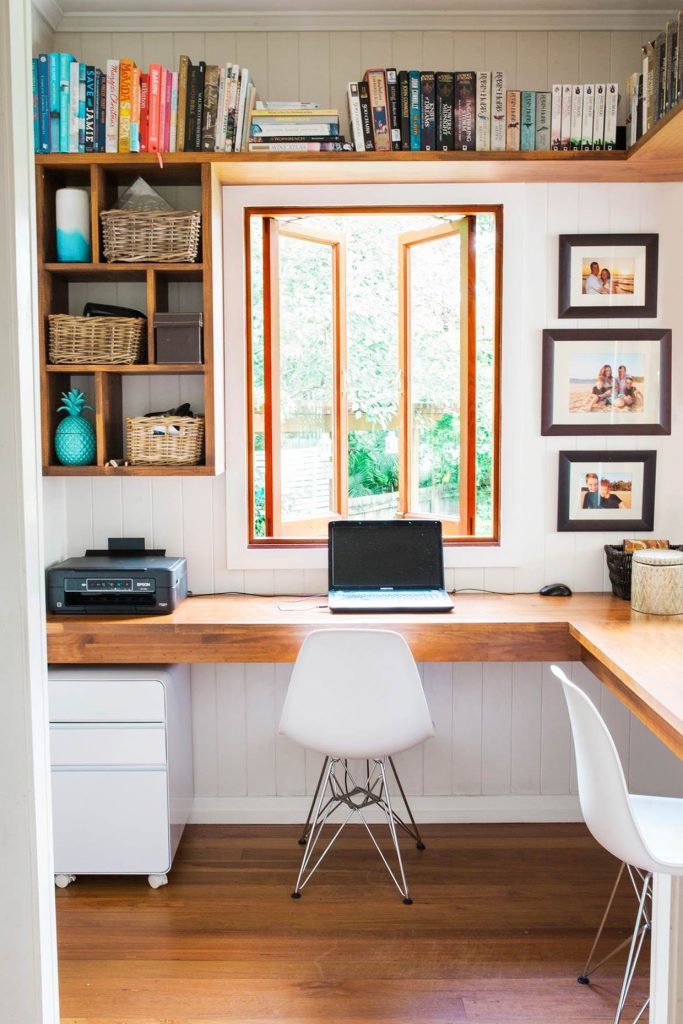
Wall-mounted shelves can hold books, supplies, or decorative items, while pegboards can serve as both a storage solution and a creative canvas for organization. This not only saves horizontal space but also adds a new dimension to your decor, providing both function and style.
To further maximize vertical space, consider hanging hooks or using tall filing cabinets. A simple adjustment like adding a few floating shelves or attaching cork boards can make a substantial difference. Here are some effective ways to utilize vertical space:
- Install shelves above your desk for easy access to frequently used items. This keeps the items you need within arm’s reach but off your desk surface.
- Use wall organizers for important documents and notes, which can double as a creative display with color-coded files or inspiring quotes.
- Opt for tall bookcases to store files and books without compromising floor space, and consider labeling each shelf for different categories.
4. Multi-functional Furniture
Choosing furniture that serves multiple purposes can drastically reduce clutter and enhance floor space. Multi-functional furniture allows for efficient use of small areas without compromising comfort or utility.
Imagine a single piece of furniture that functions as a desk, storage unit, and worktop area. This is not just possible but also practical in small offices. A desk with built-in storage compartments, for example, can tuck away papers and supplies, while a foldable table can be stowed when not in use. This flexibility ensures that your workspace adapts to meet your varying needs.
Investing in a convertible chair or ottoman that doubles as storage is another smart move. By serving dual roles, these furniture pieces keep the environment uncluttered and stylish. Here are key pieces to consider:
- Desks with drawers or shelves below, offering hidden spaces to avoid clutter piling up on top.
- Storage benches that can serve as seating, providing hidden storage for office supplies or personal items while offering additional seating as needed.
- Modular furniture that can be rearranged as needed, allowing you to reconfigure your space for various tasks or simply for a fresh look.
3. Embrace Minimalism
Minimalism isn’t just a trend; it’s an approach to life that emphasizes simplicity and purpose. By adopting minimalist principles in your office, you can create an environment that promotes focus and efficiency.
Begin by decluttering your workspace—remove items that are not essential to your daily tasks. A minimalist office is streamlined, not filled with distractions, and allows you to concentrate on what truly matters. Clear clutter by employing a “one-in, one-out” rule: for every new item brought into the office, remove an old one.
Incorporate a few decorative items that inspire you but make sure to keep the overall aesthetic clean. This leads to clear mental space which translates into increased productivity and reduced stress levels. Embracing minimalism includes:
- Storing or eliminating items that do not serve a purpose, ensuring every item in your office is beneficial to your productivity or well-being.
- Choosing a limited color palette to create a calm workspace, using colors strategically to influence mood and focus.
- Organizing digital files to minimize virtual clutter, which often translates into physical clutter if not managed properly.
2. Go Digital
In an era dominated by technology, going digital can significantly free up physical space. Transitioning to a paperless system reduces the need for filing cabinets, desk organizers, and the clutter of paper documents.
By scanning documents and storing them on cloud services, you can reduce physical clutter and facilitate easier access. This transition encourages tidy workflows and ensures that important information is just a click away.
There are numerous applications available that allow digital note-taking, document storage, and task management. Use tools like note-taking apps for meeting notes and to-do lists, thereby minimizing the stacks of paper and post-its scattered around your desk. Transitional tools enhance coordination and organization without occupying space.
Invest in a reliable cloud service for file storage and use digital planners for organizing tasks. The security and accessibility of cloud storage provide peace of mind and flexibility for work on-the-go. Utilize tools such as project management software to track and assign tasks, optimizing team collaboration. Transitioning to a digital workflow can lead to greater efficiency and help you maintain a tidy workspace:
- Scan important documents to eliminate physical copies, ensuring they are secure and accessible.
- Use cloud storage to access files from anywhere, adapting seamlessly to remote work or travel.
- Employ calendar applications to manage appointments and deadlines, staying connected and organized with minimal effort.
1. Designate Zones
Among the most effective strategies for optimizing space in small offices is to create designated zones. Dividing your office into specific areas for different tasks encourages productivity and minimizes clutter. Each zone should be tailored to support its specific purpose, whether it’s a workstation, reading nook, or brainstorming area.
This concept of zoning is similar to creating an open-plan home: distinct areas for different activities. While open-plan offers freedom, designated zones provide structured freedom. For instance, you can set up a clear workspace for computer-based tasks, a separate area for meetings, and a relaxing corner with comfortable seating for breaks. This arrangement supports mental transitions between tasks, boosting focus and reducing fatigue.
Using rugs or furniture placement to outline these zones can create visual boundaries and enhance the flow of your space. It also helps in defining personal space, which is particularly important in shared environments. Consider the following for successful zoned organization:
- Create specific areas for various tasks to minimize distractions, ensuring dedicated spaces for focused work.
- Use furniture or dividers to define each zone, using blinds or movable partitions to create temporary, adjustable spaces.
- Keep frequently used items within their respective zones to streamline workflow, ensuring that you’re not circling the office for necessary tools and supplies.
By implementing these strategies, you can transform even the smallest office into a well-organized, productive, and inspiring environment. Each tip encourages not only effective use of space but also a shift in mindset towards a more efficient and less cluttered way of working. Ultimately, an organized office means more time focused on what matters—your work and well-being.
| Category | Details |
|---|---|
| Vertical Storage Solutions | Utilizing wall space with shelves and pegboards to free up floor area while keeping essential items within reach. |
| Multifunctional Furniture | Incorporating pieces like desks with built-in storage or convertible sitting/standing desks to maximize usability. |
| Digital Organization Tools | Implementing apps and software for task management and document storage to minimize physical paperwork clutter. |
| Decluttering Strategies | Adopting a regular clean-up routine and the ‘one in, one out’ theory to maintain a tidy work environment. |
Exploring the options available for enhancing small office spaces reveals numerous strategies. For instance, vertical storage solutions not only optimize limited floor space but also provide access to essential tools and documents. By installing shelves and pegboards, you can keep items organized and visually clear, ensuring that every inch of your workspace is utilized effectively.In tandem with storage solutions, investing in multifunctional furniture can dramatically increase the efficiency of your work environment. For example, a desk that includes built-in drawers or a convertible desk that allows for sitting or standing can adapt to different tasks throughout the day. This adaptability not only saves space but also contributes to a more dynamic and engaging workspace.Moreover, relying on digital organization tools is imperative in today’s paperless society. Utilizing task management applications and cloud storage services can significantly reduce the physical clutter caused by documents and notes. This shift not only streamlines your workflow but also safeguards against the overwhelming chaos of stacks of paper piling up.Finally, embracing decluttering strategies is essential for maintaining an orderly office. Regularly reassessing what is necessary and adhering to the ‘one in, one out’ rule cultivates not just organization but also promotes a more peaceful working atmosphere. The psychological benefits of a clean workspace are profound, encouraging focus and creativity while diminishing distractions. By experimenting with these categories and strategies, you can effectively transform your small office space into an organized haven perfect for productivity and creativity.
Frequently Asked Questions
How can I effectively maximize space in a small office?
To effectively maximize space in a small office, consider incorporating vertical storage solutions such as shelves and wall-mounted racks. This allows you to utilize the height of the room to store documents and office supplies without occupying valuable floor space. Additionally, using multifunctional furniture, like foldable desks and chairs, can further help in optimizing the limited area available. Prioritize organization by keeping only essential items in view and store less frequently used objects away to maintain an uncluttered environment.
What role does personal organization play in a small office setting?
Personal organization plays a crucial role in a small office setting as it directly affects the office’s functionality and productivity. Keeping a tidy workspace reduces the time spent looking for misplaced items, thus enhancing efficiency. Implementing a filing system for documents and digitizing paperwork can also significantly reduce clutter. By maintaining organized digital and physical workspace systems, you can create a more streamlined and productive environment. Personal discipline is key in sustaining these organizational systems over time.
Are there any technological tools that can assist with space optimization?
Yes, several technological tools can greatly assist with space optimization in a small office. Cloud storage services, like Google Drive or Dropbox, allow for the digital storage of files, reducing the need for physical space. Furthermore, productivity apps and project management software, such as Trello or Asana, can help in organizing tasks and projects digitally, eliminating the need for bulky planners or physical calendars. Adopting digital tools not only saves physical space but also enhances workflow efficiency by centralizing and simplifying information management.
Can color and lighting influence the perception of space in a small office?
Absolutely, the choice of color and lighting can significantly influence how space is perceived in a small office. Light colors, such as whites and pastels, can make a room appear larger and more open by reflecting light. Additionally, strategic lighting, including the use of natural light and well-placed artificial lighting, can create an illusion of depth and openness. By combining these elements, you can transform a compact office into a more inviting and spacious environment. The right combination of colors and lighting is essential for maximizing the visual appeal and functional space of a small office.
How does minimalist design contribute to optimizing office space?
Minimalist design contributes significantly to optimizing office space by focusing on simplicity and functionality. This design ethos encourages the removal of unnecessary items, allowing more room for essential functions. A minimalist approach often features sleek, simple furniture designs that provide purpose without taking up excess space. By emphasizing clean lines and open spaces, minimalist design helps prevent a feeling of clutter, making even small areas feel larger and more efficient. Embracing minimalism in design and practice can lead to a more organized, productive, and aesthetically pleasing office environment.
Conclusion: Optimizing Space and Mind through Organization
In the fast-paced world of modern work environments, maximizing the utility of small office spaces has become more crucial than ever. Personal organization and minimalism not only create a more efficient workspace but also contribute significantly to mental clarity and overall productivity.
Summarizing Core Strategies
Throughout this article, we’ve explored several innovative strategies that are making waves in the realm of space optimization. Firstly, adopting a minimalist approach by decluttering and prioritizing essential items can significantly reduce distractions and make room for creativity. Secondly, the strategic use of vertical storage proves invaluable in keeping the workspace tidy while utilizing every inch of space. Additionally, embracing multifaceted furniture like dual-purpose desks or shelves that also serve as organizers can transform a cluttered office into an efficient hub of productivity.
Moreover, technology plays a pivotal role in organization strategies with digital tools that aid in reducing paperwork and optimizing task management. These tools not only save physical space but also streamline workflow processes, allowing for a more seamless work experience.
The Importance of Personal Organization
Ultimately, personal organization goes beyond physical space utilization; it’s a crucial component of mental health and work satisfaction. By implementing these strategies, individuals cultivate an environment that fosters focus and innovation. The integration of space-saving practices with minimalism offers a sustainable pathway to achieving harmony in both professional and personal domains.
As our workspaces continue to evolve, the insights offered here provide a foundation for continual improvement. The importance of personal organization and minimalism shouldn’t be underestimated, as they hold the key to unlocking the potential of small spaces and the people who use them. The journey towards an optimized office is ongoing, and these principles serve as guiding lights for those aspiring to create a more serene and productive workplace.