Selecting the Best Vegetables for Small Home Gardens
Transform Your Small Space into a Vegetable Paradise
In today’s world, gardening isn’t just a hobby; it’s a sustainable lifestyle choice. With the rise of urban farming and eco-conscious living, many homeowners are eager to make the most of their limited space by growing their own vegetables. But how do you choose the right ones for your small home garden? Selecting the right vegetables is crucial when you’re working with a compact area, as you want to ensure that your garden not only thrives but also provides a bountiful harvest.
When determining what vegetables to grow, consider not only your climate but also the amount of sunlight and water available. For those in the United States, understanding the USDA Plant Hardiness Zones can significantly impact your choices. These zones take into account the average minimum winter temperatures, making it easier to select plants that will flourish. Here are some key factors to keep in mind:
- Size of the plant: Choosing compact varieties is essential for small spaces. For example, dwarf or bush tomatoes produce a full crop but remain manageable in pots or small beds.
- Growing season: Opt for fast-growing vegetables that can yield multiple harvests throughout the year. Vegetables like baby carrots and snap peas can often go from seed to plate in under two months.
- Personal preference: Select vegetables your family enjoys to ensure they are consumed. If your kids love salad, consider planting a colorful mix of radishes, cherry tomatoes, and leafy greens to engage them in the gardening experience.
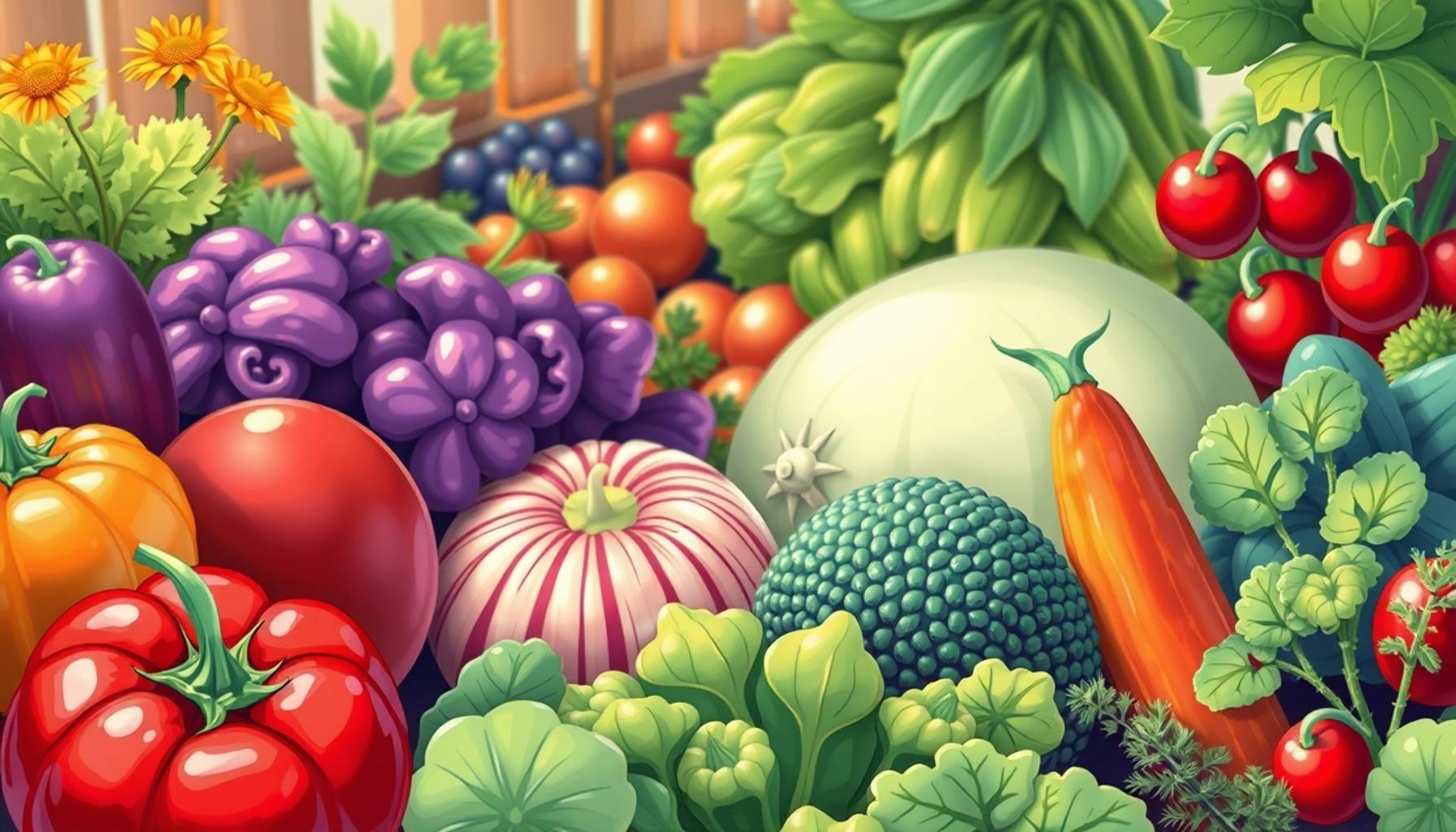
Some of the best candidates for small gardens include:
- Tomatoes: A favorite for many, they thrive in sunny spots. Try growing cherry tomatoes in hanging baskets for a decorative and accessible treat.
- Radishes: Quick to grow and great for salads, these can be harvested in as little as three weeks. Their small size allows you to plant them densely, maximizing your yield per square foot.
- Greens: Spinach and lettuce offer plentiful yields in a short timeframe, making them perfect for repeated sowing throughout the season.
Understanding the unique requirements of each plant is essential for creating a thriving garden. Factors such as soil type, watering frequency, and even companion planting can influence your success. Companion planting, such as growing basil alongside tomatoes, can enhance growth and flavor while deterring pests. This journey into selecting the best vegetables not only fosters a sense of accomplishment but also enhances your culinary experience. The satisfaction derived from harvesting your own vegetables and incorporating them into home-cooked meals is unmatched and makes the efforts truly worthwhile.
As you expand your gardening knowledge, consider diving into local gardening groups or community gardens. Networking with fellow gardeners can provide invaluable insights, tips, and even trading opportunities for seeds and plants. Whether you have a small balcony or a liberal backyard, transforming your small space into a vegetable paradise is an achievable dream with careful planning and enthusiasm.
DISCOVER MORE: Click here for essential tips
Understanding Your Space and Environment
Before diving into the world of gardening, it’s crucial to assess the specific conditions of your small home garden. One of the primary considerations is sunlight exposure. Most vegetables thrive in full sun, which typically means at least six to eight hours of sunlight per day. Evaluate your space to identify areas that receive the most sunlight and remember that west and south-facing areas tend to be more favorable.
In addition to sunlight, consider the soil quality. Healthy, well-draining soil plays a vital role in the growth of vegetables. Test the pH of your soil to ensure it falls within the optimal range for vegetable growth, which is typically between 6.0 and 7.0. You may need to amend your soil with organic compost or other nutrients to enhance its fertility. If you are dealing with poor soil conditions, raised beds filled with quality soil can be an excellent solution for small spaces.
Watering needs also vary significantly among different vegetable varieties. It’s essential to understand how much water each type requires and the watering methods that work best for your garden. For instance, carrots and beets may need consistent moisture for proper growth, while some herbs prefer to dry out slightly between waterings. Drip irrigation systems or self-watering containers can be excellent options for managing water efficiently in limited space.
Top Vegetable Picks for Small Gardens
With a clearer understanding of your garden’s unique conditions, you can start to explore the best vegetable options that fit your small space. Here’s a list of some top-performing vegetables that not only thrive in compact areas but also provide high yields:
- Green Beans: These are perfect for vertical gardening. Pole varieties can climb trellises, saving ground space while producing an abundant harvest.
- Zucchini: Known for its prolific production, zucchini can be grown in containers and will yield several fruits per plant, making it a staple in small gardens.
- Peppers: Whether sweet or hot, peppers come in compact varieties that perform exceptionally well in pots or small plots. They love warmth and will flourish in sunny conditions.
- Herbs: Don’t overlook the potential of herbs like basil, cilantro, and parsley. These can be grown alongside vegetables, enhancing flavors and saving space.
- Squash: Bush varieties are ideal for small gardens. They require less space than traditional vine types, providing a great return on investment once mature.
The key to a successful small garden lies in intelligent planning and selection. By understanding the environmental factors and choosing the right vegetables, you can maximize your limited space and enjoy a vibrant, productive garden. This approach not only fosters a sense of accomplishment but also encourages you to explore the flavors and joys of homegrown produce.
Optimizing Space in Small Home Gardens
When it comes to selecting vegetables for small home gardens, maximizing the use of available space is crucial. Utilizing vertical gardening techniques can help homeowners grow a variety of vegetables in limited areas. Consider incorporating trellises, wall planters, and hanging pots to create a stunning, functional garden that encourages growth without taking up valuable ground space.
Choosing the Right Vegetables
Specific vegetable varieties are better suited for small home gardens. Compact or bush varieties, such as determinate tomatoes, patio peppers, and baby carrots, can thrive in tighter spaces. Additionally, growing vegetables that can be harvested multiple times, like leafy greens (spinach, kale, or lettuce) or herbs (basil, cilantro), provides ongoing yields and reduces the need for planting new seeds frequently.
Seasonal Considerations
Understanding your growing zone and seasonal conditions is essential in selecting the right vegetables. Cool-season crops like peas and radishes can be planted early in the year, while warm-season crops like zucchini and beans require a later planting date. Planning your planting schedule effectively allows for a continuous harvest throughout the growing season.
Companion Planting Benefits
Companion planting is a dynamic approach that enhances the health and yield of your small vegetable garden. Choosing plants that benefit one another, such as planting marigolds alongside vegetables to repel pests or grouping basil with tomatoes to enhance flavor, can create a more productive garden. This method also optimizes the limited space you have, making it a clever strategy for home gardeners.
| Vegetable Variety | Benefits |
|---|---|
| Determinate Tomatoes | Compact growth perfect for small spaces |
| Patio Peppers | Ideal for containers; great flavor |
| Baby Carrots | Easily grown in small plots |
Overall, the thoughtful selection and combination of vegetables can significantly influence the success of a small home garden. With proper planning and the right choices, even limited spaces can yield abundant vegetable harvests, delighting home gardeners and their families throughout the growing season.
DISCOVER MORE: Click here to learn how to care for your gardening tools
Maximizing Yield with Companion Planting
As you select vegetables for your small home garden, consider the concept of companion planting. This gardening technique enhances growth by planting certain crops in proximity to one another, enabling them to benefit from each other. It can lead to greater yields, improved pest control, and better utilization of space. Understanding which companions work well together can make a substantial difference in the overall productivity of your garden.
For example, planting tomatoes alongside basil has become a well-known pairing. Not only do they complement each other flavor-wise, but basil can also help repel aphids and other pests that might otherwise harm tomato plants. Similarly, carrots and onions can thrive together; the scent of onions keeps many pests away from carrots while the carrots help in loosening the soil for both to grow better.
Using the concept of intercropping also maximizes small spaces. For instance, you might plant lettuce in the shade of taller crops like corn or sunflowers. This multi-layer gardening increases overall yield as it allows for diverse harvests without crowding a single planting area.
Seasonal Vegetables for Extended Harvest
To fully appreciate the benefits of your small garden, consider the idea of seasonal vegetables. Grow cool-season crops like spinach, radishes, and peas during the spring, then transition to warm-season crops such as tomatoes, eggplants, and cucumbers during the summer months. This rotating planting scheme ensures that you keep your vegetable production going year-round, maximizing your garden’s output in available space.
Moreover, certain vegetables can even prolong the productivity of your garden with overlap in planting times. For instance, after harvesting early spring crops like kale, replant the same area with a second crop of bush beans for a late summer yield. The ability to adapt your planting strategy based on seasonal changes helps you to fully utilize your small garden.
Accessibility and Maintenance Considerations
When selecting vegetables, also factor in accessibility and maintenance. Choose varieties that align with the time and effort you can realistically invest in gardening. Some vegetables, such as lettuce and radishes, are fast-growing and require less care, while others, like broccoli and cabbage, may require more vigilance against pests and diseases. Assess your ability to maintain your plants and select those that will thrive with the attention you can provide.
Additionally, consider utilizing container gardening for certain vegetable varieties. Containers can be placed in optimal light conditions and can help you control soil quality and watering more effectively. Options like cherry tomatoes and herbs are particularly well-suited for this method and can yield a significant amount of produce without requiring a lot of space.
Ultimately, by focusing on companion planting, seasonal rotations, and accessibility, you can create a thriving small garden that not only brings fresh vegetables to your table but also enhances your gardening experience. Each element plays a crucial role in selecting the best vegetables for your small home garden and achieving a fruitful harvest.
DISCOVER MORE: Click here for tips on eco-friendly pest control
Conclusion
In summary, the journey of selecting the best vegetables for small home gardens is both an art and a science that can lead to rewarding harvests and a deeper appreciation for the food growing process. By implementing principles like companion planting and intercropping, you can maximize yields while effectively utilizing limited space. As you rotate your crops seasonally, alternating between cool and warm-season vegetables, you’ll ensure a continuous supply of fresh produce throughout the year.
Additionally, considering factors such as accessibility and maintenance will allow you to choose varieties that suit your lifestyle, thus enhancing the overall experience of gardening. Not only does this foster sustainability, but it also promotes a wonderful connection to your food source. Container gardening further opens up possibilities, making it feasible to grow a diverse range of vegetables even in the most confined spaces.
Ultimately, the key to a successful small home garden lies in understanding your needs, the growing environment, and the unique relationships between plants. By exploring the myriad options available and adapting your gardening strategy, you’ll cultivate a thriving vegetable garden that provides nourishment, satisfaction, and a personal touch to your meals. As you delve deeper into the world of small-scale gardening, you’ll discover that the more you invest in your plants, the more they reward you in return. Happy gardening!