The Impact of Digital Decluttering on Mental Health: Reducing Anxiety in the Information Age

Understanding Digital Decluttering
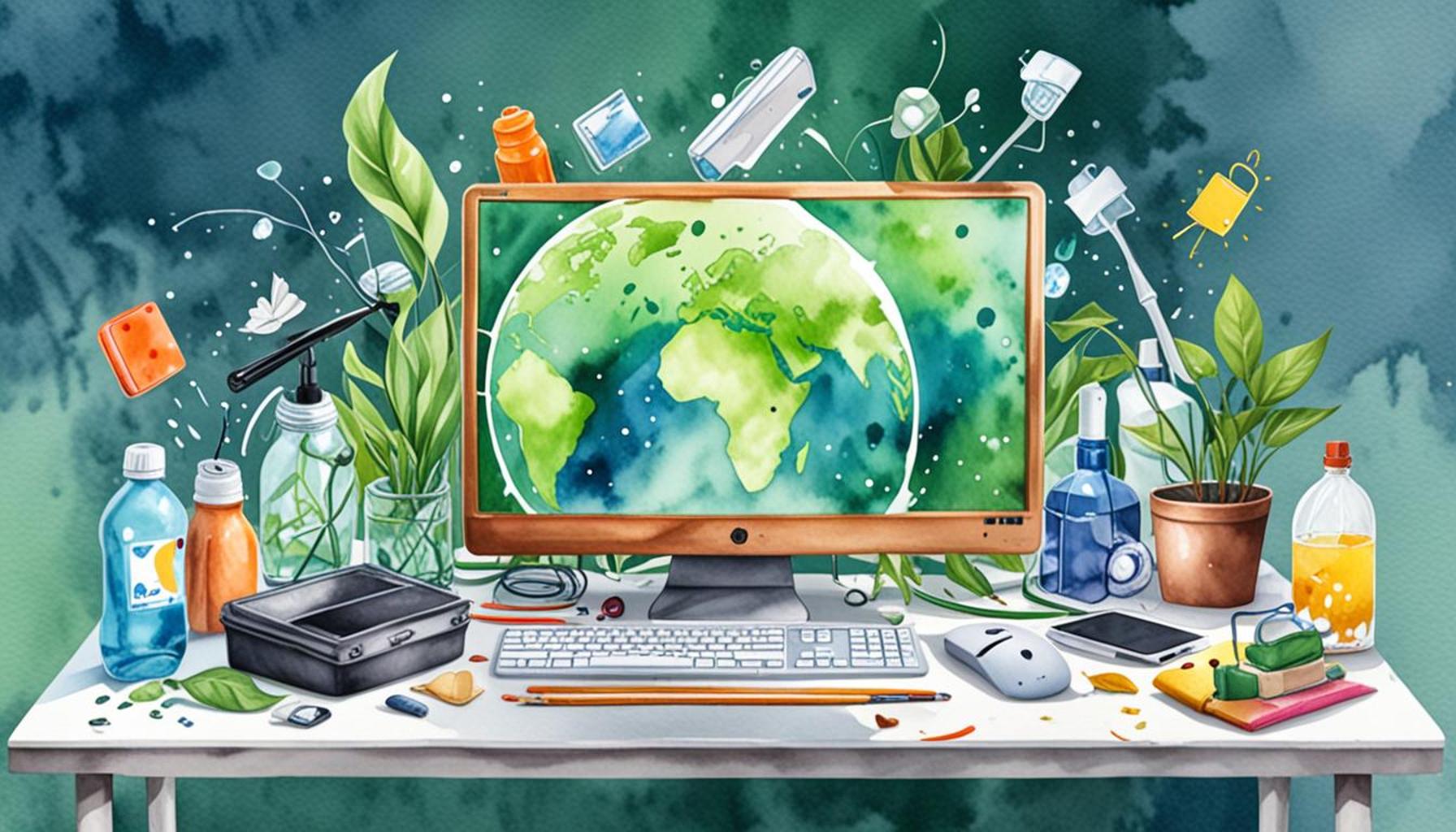
In today’s fast-paced world, the constant flow of information can be overwhelming. More than ever, people find themselves surrounded by an incessant stream of notifications, emails, and social media updates. This digital clutter can significantly impact our mental well-being, blurring the lines between productivity and distraction.
The Connection Between Digital Clutter and Anxiety
Research indicates that a cluttered digital environment can lead to increased feelings of stress and anxiety. Here are a few reasons why:
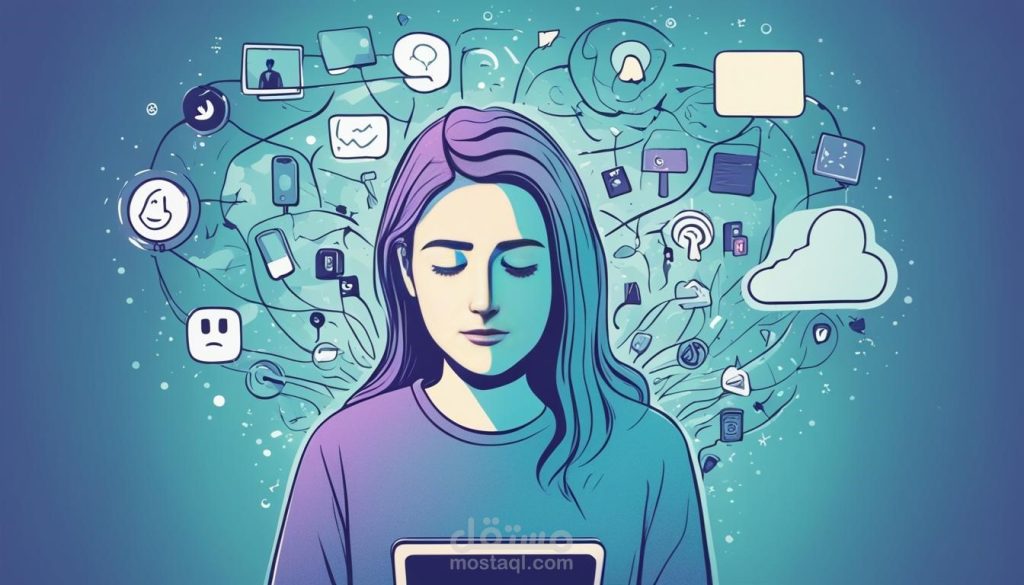
- Overstimulation: The barrage of information from various sources—such as news alerts, promotional emails, and social media notifications—can exhaust our mental resources. This perpetual state of alertness makes it difficult to concentrate on important tasks, leading to mental fatigue.
- Decision Fatigue: Navigating through countless apps and emails can lead to overwhelm, making it challenging to choose where to focus our attention. The paradox of choice suggests that having too many options can hinder decision-making, leaving individuals feeling stuck and disheartened.
- Fear of Missing Out (FOMO): Constant alerts create anxiety about missing important updates or social interactions. This fear not only distracts from current tasks but can also foster a compulsive checking habit, further complicating one’s relationship with technology.
Benefits of Digital Decluttering
Embracing digital decluttering can transform how we interact with technology and improve our mental health. Some benefits include:
- Enhanced Focus: A tidy digital workspace allows for improved concentration on tasks. By organizing files and limiting open applications, one can direct their mental energy towards meaningful work, rather than becoming lost in a digital maze.
- Reduced Anxiety: Clearing out unnecessary distractions—like unread emails or social media apps—leads to a calmer mind. One might find that, by choosing to hide notifications or unsubscribe from repetitive emails, they reclaim their peace of mind.
- Increased Productivity: Streamlining digital tools can help in managing time effectively. For instance, utilizing productivity apps like Trello or Notion helps individuals maintain focus on their goals while minimizing interruptions caused by excess digital noise.
As we explore the impact of digital decluttering on mental health, it becomes clear that our digital habits significantly shape our overall well-being. Understanding this connection invites us to re-evaluate not only how we use technology but also how we can leverage it positively. The journey into the information age reveals more than just its inherent distractions; it opens the door to discovering healthier and more productive cognitive patterns. By engaging in digital decluttering, individuals stand to gain a clearer perspective on their tasks and responsibilities, ultimately fostering a more balanced and fulfilling lifestyle.
DIVE DEEPER: Click here to discover effective strategies
The Science Behind Digital Decluttering and Mental Health
The relationship between digital decluttering and mental health is rooted in psychological principles that underscore the importance of environment and organization. Numerous studies have explored how our surroundings, both physical and digital, shape our emotional states and cognitive functions.
Cognitive Overload and the Need for Clarity
Cognitive overload is a term that describes the strain on our mental capacities when faced with excessive information. In the context of our digital lives, this overload is exacerbated by the sheer volume of data and notifications we encounter daily. According to a report from the American Psychological Association, our brains can only process a limited amount of information at once. When this threshold is exceeded, it can lead to heightened levels of anxiety and diminished performance.
Implementing digital decluttering tactics can have profound effects on reducing this cognitive strain. Consider the following benefits:
- Clarity of Focus: By organizing digital files, emails, and applications efficiently, users can cultivate a workspace that enhances clarity. Research shows that individuals who can clearly see their priorities often experience greater levels of task engagement, leading to increased satisfaction and decreased stress.
- Mindfulness Practice: Engaging in a digital decluttering process encourages a deliberate approach to technology use. This practice can foster mindfulness, allowing individuals to be present and intentional about their digital interactions.
- Control and Empowerment: Digital decluttering instills a sense of control over one’s environment. When users curate their digital spaces carefully, they move from being passive consumers of information to active participants in managing their digital lives.
Setting Boundaries in the Digital Landscape
Another critical aspect of digital decluttering is the establishment of healthy boundaries with technology. The overwhelming nature of constant connectivity fosters a culture of immediacy, where users feel compelled to respond instantly to every notification. This hyper-connectivity can lead to significant anxiety, as individuals struggle to separate personal and professional lives.
Experts suggest that setting clear boundaries can be an effective strategy for managing the pressure of constant digital engagement. Some actionable steps include:
- Scheduled “Digital Detox” Moments: Allocating specific times each day to unplug from devices can help reset one’s mental state and reduce the compulsive urge to check for updates.
- Notification Management: Turning off non-essential notifications or utilizing “Do Not Disturb” functions can create a barrier against continual distractions, allowing for deeper focus on tasks that matter most.
- Selective Engagement: Curating social media feeds to include only positive and inspiring content can limit exposure to negativity, thus promoting a healthier digital experience.
The impact of digital decluttering on mental health goes beyond just removing unnecessary files; it encompasses a holistic approach to managing our digital ecosystems. As more individuals grapple with the challenges of the information age, embracing these strategies can pave the way towards a more tranquil and mindful existence.
The rapid influx of information in our digital age can significantly impact mental health, often leading to increased levels of anxiety. Digital decluttering serves as a vital practice for mitigating this effect. By eliminating unnecessary digital noise, individuals can create a more serene and focused online environment. This practice not only enhances productivity but also positively influences emotional well-being.One crucial advantage of digital decluttering is the reduction of digital distractions. With constant notifications from social media, emails, and apps, it is easy to feel overwhelmed. By streamlining your digital life—archiving old emails, unsubscribing from irrelevant newsletters, and organizing files—a sense of control can be regained. This control is closely linked to lower anxiety levels, as it promotes clarity and decisiveness in daily tasks, thereby fostering a more mindful existence.Another key benefit is the enhanced focus and creativity that results from a decluttered digital space. When the mind is not preoccupied with digital clutter, it can better engage in creative processes and critical thinking. Studies have shown that a clear mental space allows for improved focus, leading to increased productivity. This boost not only aids in achieving personal and professional goals but also nurtures a sense of accomplishment, significantly countering feelings of anxiety.To further explore the positive correlations between digital decluttering and mental health, maintaining a commitment to this practice can be transformative. Incorporating regular decluttering sessions into one’s routine not only serves to refresh one’s digital workspace but also fosters sustainable habits for mental wellness in an ever-evolving information landscape. As awareness grows about the mental health implications of digital environments, more individuals are encouraged to embark on their digital decluttering journeys, discovering the profound peace that can be achieved.
DISCOVER MORE: Click here to enhance your productivity
The Emotional Benefits of Digital Decluttering
Beyond the cognitive advantages of digital decluttering, the emotional impacts cannot be overlooked. A cluttered digital environment often mirrors the psychological clutter many individuals face. In fact, studies show that people who engage in regular digital decluttering report significant improvements in their emotional well-being.
Reducing Stress Through Simplified Choices
The act of decluttering digital spaces simplifies decision-making processes. When faced with fewer files, applications, and unread messages, individuals can make decisions more swiftly and confidently. A survey conducted by the Journal of Occupational Health Psychology indicates that reduced decision fatigue leads to lower stress levels and improved mood. Consequently, by minimizing digital distractions, individuals find themselves experiencing less overwhelm, ultimately improving their overall mental health.
Some effective methods for simplifying choices include:
- Organized Folders: Creating clear and purposeful folders on devices can prevent the frustration of navigating through endless documents and images. This structure allows users to locate what they need quickly, fostering a sense of achievement and efficacy.
- Digital Minimalism: Adopting a minimalist approach to digital tools can enhance composure. By limiting apps to those that truly serve a purpose, users can focus their energies on activities that align with their values, contributing to improved emotional stability.
- Regular Review and Purge: Setting aside time to periodically assess digital content can encourage a proactive mindset. This practice helps individuals remain aware of what is essential and valuable to them, minimizing the emotional burden of excess information.
Building a Supportive Digital Community
Another overlooked benefit of digital decluttering lies in the potential for creating a healthier online community. By curating social media connections and digital engagements, individuals can foster positive interactions that bolster mental health. According to studies at the Pew Research Center, social media users who actively manage their online environments report higher levels of emotional well-being compared to those who feel overwhelmed by their feeds.
To build such a supportive digital landscape, consider these strategies:
- Follow Mindful Influencers: Engaging with content creators who promote positivity, mindfulness, and self-care can substantially uplift one’s digital experience, reinforcing a healthy mindset.
- Limit Exposure to Negativity: Unfollowing accounts that invoke stress or discontent can substantially enhance the quality of digital interactions. Reducing exposure to negativity can lead to improved mental health outcomes.
- Engagement in Positive Spaces: Contributing to online communities that foster encouragement and support can cultivate a sense of belonging and purpose, thereby elevating overall emotional health.
The emotional benefits derived from digital decluttering are vivid and compelling. The more individuals become aware of the less visible aspects of their digital behaviors, the better they can tailor their experiences for optimal mental health outcomes.
DIVE DEEPER: Click here to learn how minimalism can reshape your shopping habits
Conclusion
In a world increasingly dominated by digital interaction, the necessity of digital decluttering emerges as a vital practice to enhance mental health and mitigate anxiety. As we have explored, a disorganized digital landscape not only overwhelms our cognitive processes but also significantly impacts our emotional resilience. By engaging in methods such as organized categorization, embracing digital minimalism, and surrounding ourselves with supportive online communities, individuals can reclaim control over their digital experiences.
Studies reveal that those who engage in proactive digital management report lower levels of stress and a marked improvement in emotional stability. Simplifying decisions and curating one’s digital interactions fosters a sense of achievement while minimizing feelings of overwhelm. Furthermore, by focusing on engaging with positive content and communities, users can enhance their emotional well-being and find a greater sense of belonging in the digital space.
As we navigate the complexities of the information age, it becomes imperative for individuals to regularly assess their digital environments and cultivate a healthier online presence. The emotional landscape of our digital lives can profoundly influence our mental state; thus, making conscious efforts toward digital decluttering can lead to transformative impacts on our mental health. In seeking to balance the digital noise, we open pathways to clearer minds, reduced anxiety, and ultimately, a more fulfilling engagement with the world around us.