The importance of Digital Decluttering in reducing stress and increasing productivity

The Reality of Digital Clutter
In an era characterized by instantaneous communication and constant online interaction, individuals often find themselves overwhelmed by a staggering amount of digital information. This phenomenon, commonly referred to as digital clutter, manifests itself through a barrage of emails, social media alerts, and an ever-expanding array of applications. The sheer volume of notifications and information can trigger feelings of anxiety, making it challenging to focus and diminishing productivity.
Understanding Digital Decluttering
Digital decluttering is a proactive approach to managing this clutter by methodically organizing or discarding digital detritus that no longer serves a purpose. Engaging in this practice can have profound benefits for mental well-being and workplace efficiency. To embark on a successful decluttering journey, consider these essential components:
- Email Management: The average professional receives a staggering 121 emails daily, according to the Radicati Group. A cluttered inbox not only distracts but can also lead to important messages being overlooked. Prioritizing emails based on urgency and unsubscribing from non-essential lists can drastically reduce inbox clutter, facilitating clearer communication.
- Organizing Files: Many individuals struggle with disorganized file systems that can create confusion and frustration. Maintaining a structured file hierarchy—like categorizing project folders by year or client—saves time and boosts focus. Tools like Google Drive and Dropbox offer handy features for easy file sharing and retrieval.
- App Optimization: A plethora of apps can convolute our digital landscape. The average smartphone user has 80 apps installed but only regularly uses about 9 of them, according to a study by App Annie. By deleting unused applications, users can simplify their device’s interface, making room for productivity-focused tools that truly matter.
The Benefits of Decluttering
Embracing digital decluttering not only promises to enhance productivity but also significantly reduces stress levels. This transformative process cultivates a clearer mindset and optimizes one’s work environment. By simplifying your digital space, you can unlock several key benefits:
- Improved Focus: With less interference from unnecessary notifications and alerts, fewer distractions arise. This heightened attention to necessary tasks leads to higher quality outputs.
- Increased Efficiency: Streamlining processes saves valuable time, enabling individuals to allocate more energy to creative thinking and problem-solving.
- Enhanced Creativity: A decluttered mind fosters innovation. Free from the burden of excess, individuals can think more freely, allowing new ideas to flourish.
Ultimately, embarking on a digital decluttering journey not only promises to help regain control over your digital space but also maximizes your time. By organizing your digital world, you can pave the way for a more productive and fulfilling life.
DISCOVER MORE: Click here for space management tips
The Mechanisms Behind Digital Decluttering
As our lives become increasingly intertwined with technology, the concept of digital decluttering has transformed from a mere trend into a necessary practice for maintaining mental clarity and productivity. Digital clutter doesn’t simply arise from an excess of files or notifications; it stems from the cluttered mindset that accompanies it. Understanding how this clutter affects our daily lives is essential in launching a successful decluttering initiative.
Psychological Impacts of Digital Clutter
The overwhelming presence of digital items can lead to a phenomenon known as “digital fatigue.” This form of cognitive overload can diminish our mental effectiveness, contribute to stress, and result in burnout. A study by the American Psychological Association found that the mere act of sifting through emails or frequent task-switching can elevate cortisol levels—a hormone associated with stress. This relationship between digital clutter and emotional health underscores the critical need for regular decluttering exercises.
Strategies for Effective Digital Decluttering
To truly embrace the benefits of digital decluttering, it is vital to implement strategic practices that can lead to long-term positive habits. Here are some effective strategies to consider:
- Set Specific Goals: Rather than approaching digital decluttering as a massive task, break it down into manageable segments. Setting clear goals—like achieving a zero inbox or organizing files by category—can encourage steady progress and provide motivation.
- Schedule Regular Intervals: Just as one would schedule time for important meetings, allocate specific time slots for digital decluttering. Adhering to a regular decluttering routine, whether monthly or quarterly, helps keep digital spaces organized and can prevent clutter from accumulating.
- Utilize Digital Tools: Embrace productivity tools and apps designed to assist in file management and organization. Programs like Trello or Evernote not only help maintain order but also allow for enhanced collaboration and communication when working in teams. Leveraging such tools can simplify the decluttering process.
These strategies are not just about achieving a tidy digital space; they empower individuals to reclaim their time, focus, and mental energy. By addressing these elements of digital clutter, one can develop a healthier relationship with technology and ultimately enhance both personal and professional productivity.
Therefore, tackling digital clutter offers far more than just an orderly digital environment; it sets the stage for a revitalized approach to life’s responsibilities and challenges. As you begin your decluttering journey, remember that each small step contributes to significant changes in productivity and emotional well-being.
| Advantages | Impacts on Daily Life |
|---|---|
| Enhanced Focus | Reduces distractions, allowing for deeper engagement in tasks. |
| Lowered Anxiety | Creates a calming environment that contributes to emotional well-being. |
| Increased Productivity | Streamlined processes allow for quicker task completion and efficiency. |
| Improved Organization | Facilitates better planning and prioritizing, optimizing workflow. |
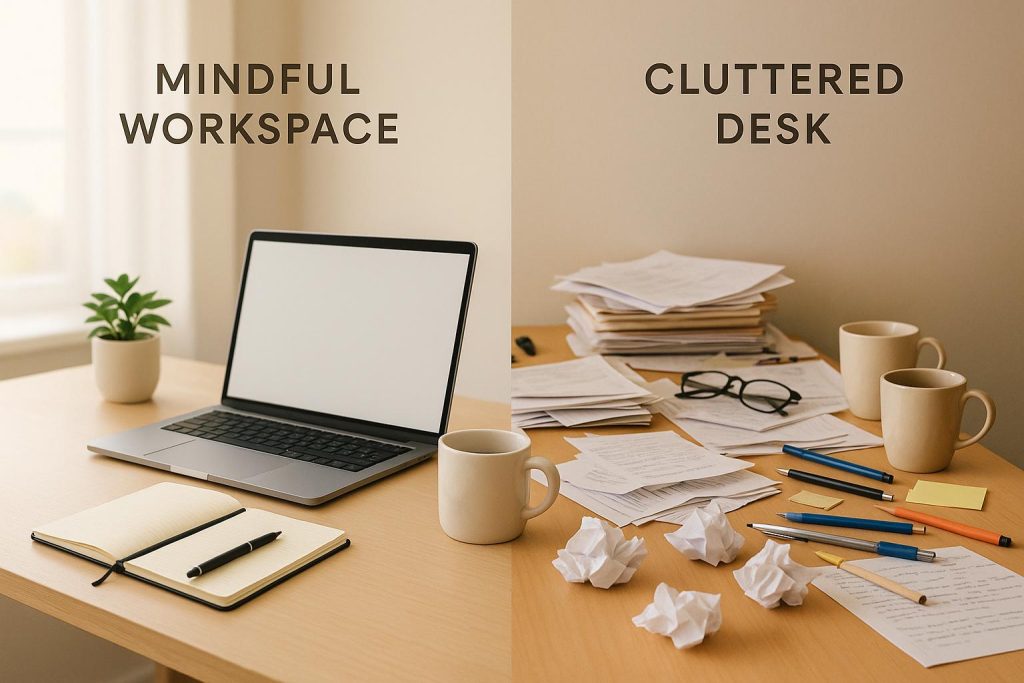
In an age overflowing with information, it’s essential to realize that digital decluttering is more than merely organizing files; it’s about reshaping our mental landscapes. The rush to process information can lead to cognitive overload, resulting in heightened stress levels. By removing unnecessary clutter—be it emails, files, or even apps—we can significantly enhance our focus on the task at hand. Moreover, a meticulously organized digital workspace fosters a sense of control. When environments—both physical and digital—are orderly, we experience a decrease in anxiety, allowing room for creativity and inspiration. This preparedness equips us to tackle daily challenges with not just productivity, but also a sense of peace.Ultimately, embracing digital decluttering paves the way for a smoother workflow, transforming the chaotic rush into a streamlined process, where tasks are not merely completed but excelled at. Engaging with this practice can unveil new potentials, steeling us against the relentless waves of information overload that characterize modern life. Discovering the techniques that work for you can lead you to even greater heights in productivity and mental clarity.
DISCOVER MORE: Click here to learn how minimalism can reduce stress
The Long-Term Benefits of Digital Decluttering
Embracing digital decluttering can have profound long-term benefits that extend far beyond immediate organization. As individuals take the time to simplify their digital lives, they foster an environment conducive to enhanced focus, creativity, and overall well-being. The impact is both personal and professional, transforming how we interact with technology and streamlining the processes we engage in daily.
Boosting Mental Clarity
A significant advantage of digital decluttering is the boost in mental clarity it provides. Clutter can cloud judgment and impair decision-making abilities, making it difficult to prioritize tasks effectively. Research indicates that a clean digital space can lead to improved cognitive function. For example, studies from the University of California have shown that when individuals clear digital clutter, their ability to concentrate on essential tasks improves significantly, leading to more efficient work performance.
Enhancing Creative Output
Creativity can often be stifled by a cluttered digital space. When individuals are faced with overwhelming amounts of information and disorganized files, it becomes easy to feel stifled in their creative pursuits. Digital decluttering not only frees up space but also opens pathways for fresh ideas to flourish. A study by the University of Toronto found that individuals who maintain organized digital workspaces tend to produce more innovative solutions to problems compared to those who work amidst chaos. This can be particularly beneficial in creative industries where adaptability and imaginative thinking are essential for progress.
Improving Focus Through Digital Minimalism
Digital minimalism is a growing trend that emphasizes intentional technology use. By reducing distractions through digital decluttering, individuals can hone their focus, enabling them to complete tasks more efficiently. One practical approach is the concept of “time blocking,” where one schedules specific periods to engage with digital devices, thereby limiting impulsive interactions. A report from the Harvard Business Review indicated that individuals practicing this method saw a 20% increase in productivity, underscoring the link between focused work and reduced stress levels.
Fostering Better Work-Life Balance
One of the most underappreciated benefits of digital decluttering is its contribution to achieving a healthy work-life balance. The constant ping of notifications and the relentless flow of emails can blur the lines between work and personal life, leading to increased stress and decreased overall satisfaction. By actively managing digital clutter, individuals can better define boundaries, making it easier to “switch off” after work hours. This has been shown to improve not only personal well-being but also job satisfaction, contributing to a more engaged workforce. For example, the Pew Research Center found that employees who feel in control of their digital environments reported feeling less stressed and more satisfied with their overall work performance.
In conclusion, the effects of digital decluttering are far-reaching and significantly impact various aspects of life. By prioritizing this essential practice, individuals set themselves up for success in both mental clarity and productivity. The act of decluttering promotes not just an organized digital landscape, but also paves the way for healthier, more intentional living. With careful planning and strategic approaches, anyone can embark on their own digital decluttering journey, unlocking newfound potential in their personal and professional realms.
DIVE DEEPER: Click here to learn how to maximize your home space
Conclusion: Embracing Digital Decluttering for a Balanced Life
In today’s fast-paced digital world, the significance of digital decluttering cannot be overstated. As we’ve explored, the process of cleaning up our digital spaces not only leads to a more organized environment but also plays a crucial role in reducing stress levels and enhancing overall productivity. By clearing away distractions and simplifying our interactions with technology, we create pathways for improved focus, creativity, and mental clarity.
The compelling evidence suggests that individuals who commit to digital decluttering experience positive transformations in their work-life balance and emotional well-being. Studies indicate that achieving a streamlined digital landscape can lead to better decision-making, increased innovation, and a heightened sense of control over one’s environment. These factors collectively contribute to developing a healthier mindset, reflecting positively on both personal satisfaction and professional achievements.
As we navigate our increasingly interconnected lives, it becomes paramount to prioritize strategies like digital decluttering. By integrating this practice into our routines, we not only reclaim valuable time but also foster a sense of calm in our day-to-day experiences. For those seeking ways to enhance their productivity and reduce anxiety, digital decluttering serves as a vital tool. Ultimately, addressing digital clutter empowers individuals to take charge of their technological interactions, opening doors to a more meaningful, focused, and productive existence.