
The Intersection of Digital Minimalism and Online Security: How to Protect Your Data While Cleaning Your Virtual Space
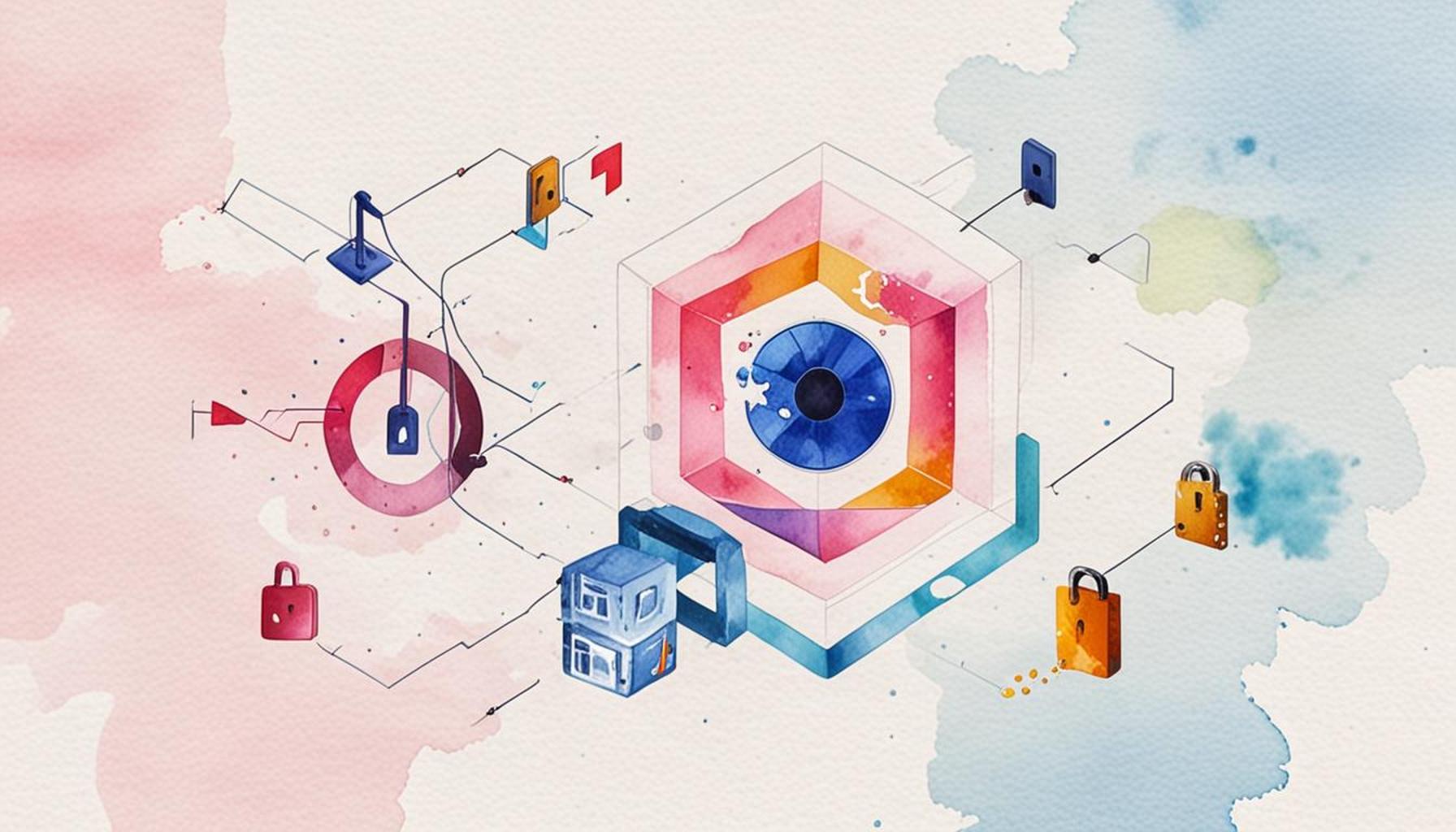
The Intersection of Digital Minimalism and Online Security
In our current era of rapid technological advancement and rampant information overload, cultivating a healthier relationship with technology has never been more pressing. Digital minimalism serves as a guiding principle to help individuals sift through the clutter and focus on what genuinely enhances their lives. However, even as we strive to reduce distractions, the necessity for a secure online presence remains paramount.
To navigate the complexities of reducing digital clutter while ensuring strong security measures, it is important to consider the following key elements:
- Data Overload: With the explosion of online platforms and applications, users often find themselves drowning in information. This abundance can lead to vulnerabilities, as users may forget which accounts they have, leaving sensitive information exposed. For example, regularly used sites like social media, shopping portals, and work-related platforms can pile up, increasing the risk of using the same passwords or neglecting to secure accounts fully.
- Privacy Risks: Many individuals unknowingly store personal data in unprotected environments. Services that offer cloud storage without adequate encryption can be a ticking time bomb, heightening the risk of potential data breaches. Recent incidents, like the Facebook data leak in 2019 affecting 540 million user records, highlight the importance of secure data management.
- Mindful Consumption: An integral aspect of digital minimalism involves consciously deciding what content and platforms to engage with. Reducing digital distractions not only supports better focus but also promotes greater awareness of one’s security posture. For instance, by unsubscribing from newsletters and unfollowing accounts that do not add value, users can develop a sharper eye for recognizing potential security threats online.
Modern digital minimalism encourages users to eliminate unnecessary applications and accounts, yet this process must be executed with caution. Each deletion should be accompanied by a review of data associated with that account. Tips for this process include checking for any lingering shared sensitive data and migrating important files to more secure platforms before discarding old accounts.
As you simplify your digital presence, integrating sound online security practices becomes essential. Start by strengthening passwords using tools like password managers that generate complex credentials and store them safely. Additionally, consider enabling two-factor authentication (2FA) on accounts; this adds a robust layer of protection that can thwart potential cyber threats.
Exploring privacy tools, such as virtual private networks (VPNs), can safeguard your data while browsing and streaming, ensuring your online activities remain private. Ultimately, by weaving together the principles of digital minimalism and sound security practices, individuals can cultivate an inviting yet safe digital environment.
In summary, as you embark on your journey toward a decluttered digital life, remember that your online security should never be compromised in the pursuit of simplicity. Embrace these actionable strategies to strike a balance where both minimalism and security coexist harmoniously.
DISCOVER MORE: Click here to learn about the benefits of effective space management
Understanding Digital Clutter and Its Security Implications
In the age of digital transformation, the stacks of apps, accounts, and platforms can quickly become overwhelming. This phenomenon is often referred to as digital clutter, and it poses not just organizational challenges but also significant security risks. The more accounts an individual manages, the greater the chance of neglecting security measures, opening doors to potential breaches and identity theft.
Data Overload manifests in various forms. With multiple subscriptions, accounts across social media platforms, and the expansion of online shopping, users find themselves juggling an extensive digital portfolio. According to a study by the Pew Research Center, Americans have an average of 100 online accounts, highlighting a staggering amount of personal data stored across various platforms. When accounts are left unattended, sensitive information such as passwords, addresses, and financial details linger in the digital ether, increasing the potential for unauthorized access.
The risk amplifies when individuals resort to using the same weak passwords across multiple sites. A simple data breach can then compromise numerous accounts, as seen in high-profile cases like the Yahoo data breach, where over 3 billion accounts were affected. Therefore, clearing out unused accounts not only simplifies one’s digital existence but is also a critical step in safeguarding against identity fraud.
Recognizing Privacy Risks in a Decluttered Digital Space
Cognizant of the need for privacy, digital minimalists must also examine where their data resides. Many users unknowingly save personal data on platforms that do not prioritize data protection. For instance, cloud services that lack end-to-end encryption expose users to potential data breaches. A report from Cybersecurity Ventures reveals that cybercrime damages are predicted to reach $10.5 trillion annually by 2025, firmly underscoring the necessity to protect personal data while engaging with technology.
To tackle these privacy risks, individuals can follow a strategic approach to decluttering their digital space. Here are key steps to ensure secure data management:
- Assess Current Accounts: List all accounts and identify which ones are essential. For those that are no longer in use, consider permanently deleting them.
- Secure Important Data: Before discarding any old accounts, back up necessary files to secure storage options that feature strong encryption standards.
- Update Passwords: Use unique and complex passwords for essential accounts to minimize vulnerabilities. Password managers can help generate and store these securely.
This approach not only reduces digital clutter, but it also enhances online security. By consciously monitoring the digital footprint, individuals pave the way for safer online experiences. As digital minimalism intertwines with online security, fostering a secure digital environment is achievable while simplifying one’s virtual life.
| Advantage | Description |
|---|---|
| Enhanced Data Privacy | Digital minimalism involves decluttering both your digital and physical spaces, which can lead to improved privacy practices. By removing unnecessary apps and accounts, users reduce the number of potential vulnerabilities that can be exploited. |
| Streamlined Security Measures | Focusing on essential tools allows individuals to implement security measures more effectively. With fewer distractions and data sources, it becomes easier to maintain and monitor password security and encryption protocols. |
As we delve deeper into the intersection of digital minimalism and online security, it’s crucial to explore how this concept doesn’t merely aim at simplicity, but can significantly bolster your data protection strategies. Adopting a minimalist approach encourages you to rethink your digital footprint and implement robust security measures that adapt to a more streamlined online presence. By prioritizing essential applications and accounts, individuals can not only fortify their online security but also create a healthy relationship with technology that enhances their overall well-being. In a world where online threats are continually evolving, embracing a mindset of minimalism may provide the clarity and focus necessary to safeguard personal information effectively. Discovering the right balance between decluttering your virtual space and enhancing your data protection will ultimately empower you to navigate the digital landscape with confidence.
DISCOVER MORE: Click here for insightful organization tips
Implementing Effective Data Management Strategies
As digital minimalism advocates for a more focused online presence, it becomes essential to adopt effective data management strategies that ensure both clarity and security. Finding the intersection between simplifying your digital landscape and enhancing online security can be a transformative process. To navigate this space effectively, individuals must stay informed about best practices and tools available to them.
One of the most crucial steps in establishing a secure digital environment is the concept of two-factor authentication (2FA). This protective measure requires not only a password but also a second form of verification, such as a text message code or an authentication app. According to Google, 2FA can block up to 100% of automated bots and 96% of targeted attacks, making it a non-negotiable step in securing important accounts. While decluttering your digital space, make a concerted effort to enable 2FA wherever possible, as this adds another layer of protection against unauthorized access.
Choosing Secure Alternatives and Tools
Digital minimalism also means making informed choices about the tools and platforms you use. In a landscape where data security is paramount, relying on services that prioritize user privacy can be a game-changer. For instance, web browsers like Firefox and Brave have made privacy central to their missions, offering built-in ad blockers and anti-tracking features that preserve the confidentiality of users’ online activities.
Moreover, in the realm of cloud storage solutions, consider platforms such as Tresorit or Sync.com, which promise end-to-end encryption and stringent privacy policies that protect your data from prying eyes. Researching alternatives that uphold high security and privacy standards ensures that any data that remains clutched in your digital domain is resilient against breaches.
Conducting Regular Security Audits
Another important strategy is to carry out regular security audits of your digital accounts. This process includes checking privacy settings, removing outdated contact information, and scrutinizing the access logs of critical accounts. Security audits could reveal unauthorized devices and accesses, allowing users to take swift action against potential threats. Creating a timeline for these audits—be it monthly or quarterly—ensures that security remains a consistent priority amidst your decluttering efforts.
Data encryption is another critical aspect that cannot be overlooked. Users should ensure that sensitive information is encrypted, whether it resides on their devices or in the cloud. Many operating systems now offer built-in encryption tools, such as BitLocker for Windows and FileVault for macOS, which can protect files and folders from unauthorized access.
Furthermore, consider implementing an identity theft protection service, especially given the alarming statistics regarding identity fraud in the United States. According to the Federal Trade Commission, reports of identity theft rose to a record high, affecting over 1.4 million individuals in 2021 alone. By subscribing to services that monitor the dark web for compromised personal information, you can reclaim control of your data and enhance your overall security posture.
As the journey towards digital minimalism progresses, consistently aligning efforts to clean the virtual space with active online security measures will fortify personal safety without sacrificing convenience. By adopting these strategies while decluttering, users not only enhance their digital efficiency but also protect their precious data from emerging threats in the cyberspace.
DISCOVER MORE: Click here for tips on minimalist organization
Conclusion: The Path Forward in Digital Minimalism and Online Security
As we navigate the complexities of our digital lives, the convergence of digital minimalism and online security emerges as a crucial focal point. The practices we’ve explored reinforce that protecting our data does not have to intersect negatively with our quest for a simpler online existence. Instead, embracing a minimalist approach can lead to more mindful interactions with technology while simultaneously enhancing our cybersecurity posture.
By implementing robust security measures such as two-factor authentication, prioritizing privacy-centric platforms, and performing regular security audits, users can ensure a fortified digital environment. The act of decluttering one’s online presence, when paired with informed choices about tools and storage solutions, not only simplifies but can also bolster your defenses against threats. Investing time in data encryption and potentially incorporating an identity theft protection service can further strengthen this security framework.
Moreover, as alarming statistics highlight the rising instances of identity theft, the call to action for individuals resonates strongly. Each step taken to minimize digital clutter while safeguarding personal information creates a fortified barrier against mischief in cyberspace. With this approach, individuals can find freedom from the chaos of accumulated data without sacrificing their safety.
As we look toward the future, let us embrace the synergy between decluttering our digital lives and fortifying our online security. It is a journey towards a more intentional, empowered, and secure digital experience—one that invites exploration while keeping our vital information safely guarded.