
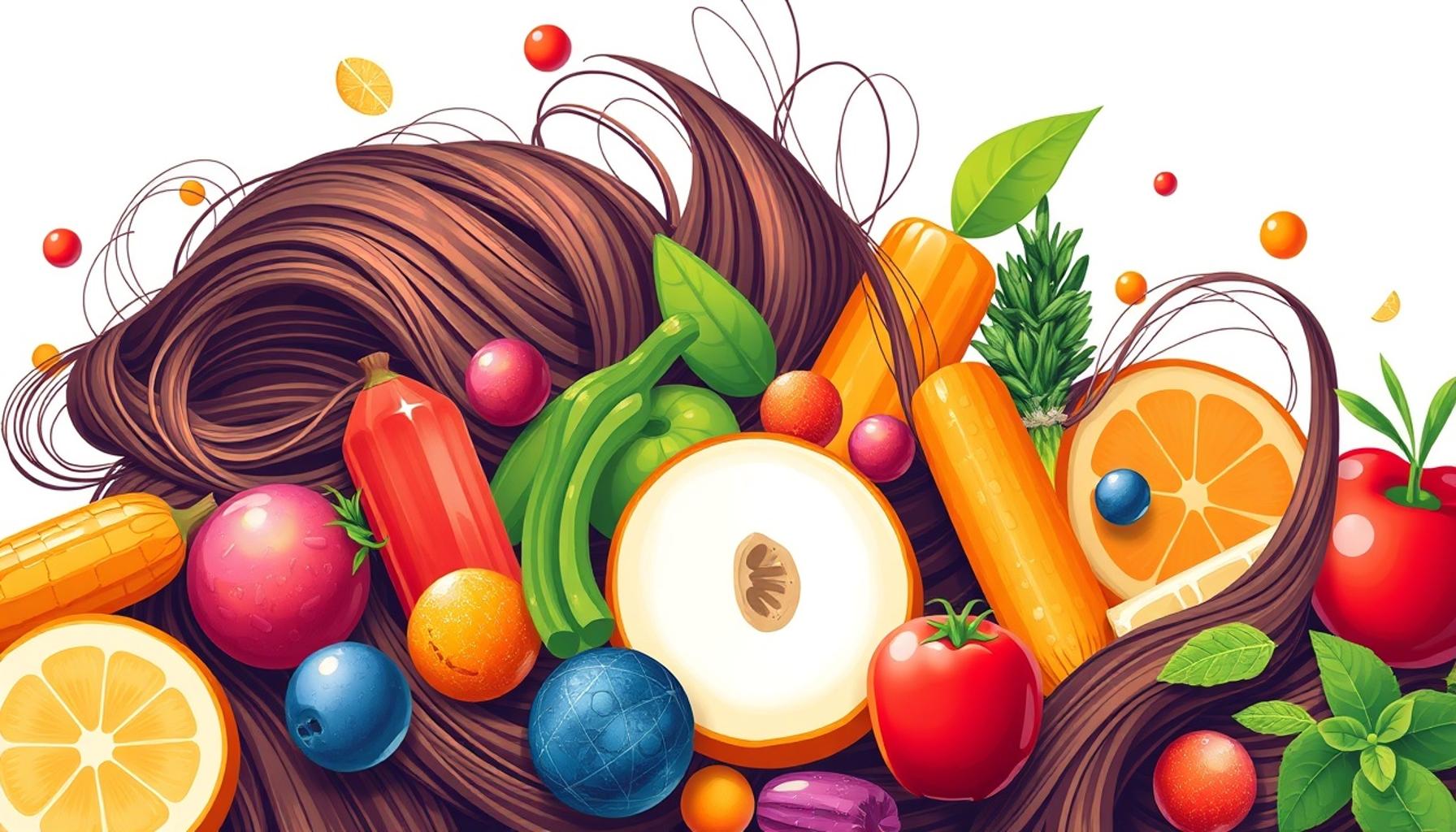
Unlocking the Secrets to Luscious Locks
The connection between nutrition and hair health is often overlooked in the quest for vibrant, strong hair. The diet we maintain not only reflects our overall wellness but also plays a crucial role in the state of our hair. It’s astonishing how the foods we consume can influence everything from our hair’s shine and strength to its growth and overall vitality. By understanding the essential nutrients required for optimal hair health, we can make informed dietary choices that promote luscious locks.
Key Nutrients for Hair Health
- Proteins: Hair is primarily made up of a protein called keratin, which forms the structural foundation of each strand. Consuming adequate protein is vital for hair growth and repair. Foods rich in protein include lean meats, eggs, dairy products, legumes, and nuts.
- Vitamins A and C: These vitamins are instrumental in the production of sebum, the natural oil that moisturizes the hair, preventing dryness and brittleness. Vitamin A can be found in foods like sweet potatoes and carrots, while Vitamin C is abundant in citrus fruits and bell peppers.
- Biotin: A member of the B-vitamin family, biotin is crucial for maintaining hair strength and preventing hair loss. Many health food enthusiasts turn to biotin supplements, but it can also be sourced from whole grains, eggs, and bananas.
- Omega-3 Fatty Acids: These essential fats promote a healthy scalp and reduce inflammation, which can lead to hair issues. Foods high in omega-3s include fatty fish like salmon, chia seeds, and walnuts, all of which are easily accessible in U.S. grocery stores.
Many individuals in the United States grapple with various hair concerns, ranging from thinning to breakage, often unaware that their diets could hold the key to improvement. Poor nutritional choices can lead to deficiencies that manifest not just in our overall health but also directly in our hair quality. This makes it essential to prioritize meal planning that supports healthy strands and restores vitality.
Exploring Repair Strategies
This article delves into the vital role of nutrition in maintaining hair health and offers practical strategies for repair. For instance, incorporating a variety of nutrient-dense foods into daily meals can be an easy yet effective strategy to enhance hair health. This might include starting the day with a protein-packed smoothie featuring spinach, Greek yogurt, and berries, or preparing a salad full of leafy greens, nuts, and a squeeze of lemon for that vitamin boost.
Additionally, understanding the impact of hydration is vital; drinking plenty of water can help keep your hair follicles hydrated, solidifying the foundation for hair growth. Join us as we uncover how these simple dietary changes can lead to remarkable transformations for your hair, ushering you toward the path of stronger, more vibrant tresses.
DISCOVER MORE: Click here to learn about effective natural remedies
Nourishing Your Hair from Within
To truly grasp the role of nutrition in hair health, it’s essential to understand how specific nutrients contribute to the growth and maintenance of healthy strands. The body’s intricate systems depend on a balanced intake of vitamins, minerals, and other essential compounds, which, in turn, reflect in the condition of our hair. As the average American faces environmental stressors and the pressures of modern life, maintaining good hair health through nutrition becomes even more critical.
Understanding Deficiencies and Their Effects
Research indicates that certain nutritional deficiencies can lead to notable hair issues, from thinning to premature graying. For instance, a lack of iron can trigger hair loss, as this mineral is crucial for delivering oxygen to hair follicles. Similarly, inadequacies in zinc can result in a dull appearance and breakage, emphasizing the need for a diet rich in these vital minerals. Some common sources of iron and zinc include:
- Red Meat: A rich source of heme iron, which is easily absorbed by the body.
- Beans and Lentils: Plant-based sources of iron and zinc, ideal for vegetarians.
- Seeds and Nuts: Particularly pumpkin seeds and cashews, both packed with these essential minerals.
It is also worth noting that the consequences of poor nutrition extend beyond just the visible aspects of hair. Increased hair fall and slow growth can be linked to an unbalanced diet lacking these critical nutrients. Furthermore, incorporating whole foods and nutrient-dense options can head off these issues before they escalate, acting as a preventive measure against hair damage.
Creating a Balanced Diet: Practical Tips
The path to vibrant hair begins with making conscious dietary choices. A balanced diet focusing on the inclusion of various food groups is vital not just for hair health but for overall well-being. Here are some practical tips to enhance your daily nutrition:
- Diverse Ingredients: Rotate your food choices to include a wide variety of fruits and vegetables, ensuring you harness different vitamins and minerals.
- Focus on Whole Grains: Instead of refined carbohydrates, opt for whole grains like quinoa and brown rice that provide more nutrients and support overall hair strength.
- Healthy Fats: Incorporate sources of healthy fats such as avocados and olive oil, which can enhance your hair’s shine and moisture retention.
Furthermore, you might want to keep track of your daily water intake. Hydration plays a significant role in maintaining healthy hair follicles. Simply drinking enough water can make a substantial difference, promoting hair growth and combating dryness.
Nourishment for hair goes beyond mere cosmetic products; it begins fundamentally within our plates. By prioritizing a diet rich in essential nutrients, we pave the way for stronger, healthier hair, ready to withstand the challenges of daily life.
| Nutrition Component | Impact on Hair Health |
|---|---|
| Protein | Essential for hair structure, promoting strength and minimizing breakage. |
| Omega-3 Fatty Acids | Hydrates scalp and hair follicles, reducing dryness and enhancing shine. |
| Vitamins (A, C, E) | Supports production of sebum, promoting healthy scalp and preventing hair loss. |
| Minerals (Iron, Zinc) | Strengthens hair and helps maintain its growth cycle. |
Understanding the vital role nutrition plays in hair health is crucial for anyone looking to improve or restore their hair’s vitality. Each nutrient contributes uniquely, and incorporating a balanced diet rich in proteins, essential fatty acids, vitamins, and minerals can lead to significant results. The synergy between these components not only fortifies hair structure but also optimizes its appearance.For example, protein serves as the building block of hair, ensuring resilience against damage. On the other hand, the inclusion of omega-3 fatty acids is key for maintaining moisture, a critical factor in preventing hair from becoming brittle.Moreover, vitamins like A, C, and E work together to nourish the scalp and facilitate hair growth. Minerals such as iron and zinc cannot be overlooked either, as they play pivotal roles in maintaining optimal hair health and enabling its growth cycle. The adoption of these nutrition strategies serves as a powerful approach to hair repair. Embracing these dietary choices would not only elevate the health of one’s hair but also inspire a deeper inquiry into the nutrition-hair health connection.
DIVE DEEPER: Click here to uncover the truth about hair repair
Essential Nutrients for Hair Repair
Beyond understanding deficiencies, it is equally crucial to recognize the specific nutrients that foster hair repair and vitality. Certain vitamins and minerals are renowned for their reparative properties, making them indispensable for anyone striving for healthy hair. In light of this, here are some key nutrients to consider:
Biotin: The Hair Growth Superstar
Biotin, a member of the B-vitamin family, has gained significant popularity for its role in promoting hair health. Studies have shown that biotin deficiency is linked to hair loss. It plays a vital role in synthesizing keratin, a primary protein that comprises hair. Incorporating biotin-rich foods such as:
- Eggs: Particularly the yolk, which is a rich source of biotin.
- nuts: Almonds and walnuts are excellent sources, contributing not only to hair health but overall well-being.
- Bananas: These not only provide biotin but are also rich in potassium, which contributes to managing moisture levels in the hair.
Moreover, numerous supplements in the market boast biotin content, making it accessible for those who may struggle to obtain enough through diet alone. However, it’s always best to consult with a healthcare provider before starting any supplement regimen.
Antioxidants: Defending Against Damage
Environmental pollutants, UV rays, and stress can lead to oxidative stress, resulting in hair damage over time. Here, antioxidants step in as powerful allies. They combat these damaging free radicals, protecting hair follicles and promoting growth. Foods rich in antioxidants include:
- Berries: Blueberries, strawberries, and raspberries are not only delicious but also packed with vitamins C and E.
- Dark Leafy Greens: Spinach and kale are nutrient-dense, providing iron and multiple vitamins that invigorate hair health.
- Sweet Potatoes: Rich in beta-carotene, which the body converts to vitamin A, supporting scalp health.
Incorporating these foods into your diet regularly can elevate the defense mechanisms of your hair, allowing it to resist damage more effectively.
Omega-3 Fatty Acids: Conditioning from Within
Omega-3 fatty acids are often overlooked in discussions about hair health. These essential fats are not only good for heart health but also play a pivotal role in sustaining hair thickness and moisture. They can be found in:
- Fatty Fish: Salmon and mackerel are excellent sources, offering high-quality omega-3s that nourish hair follicles.
- Flaxseeds: Ground flaxseeds are a plant-based source that can easily be incorporated into smoothies or oatmeal for added nutritional benefits.
- Chia Seeds: Packed with proteins, these tiny seeds also contain omega-3s, aiding in improving overall scalp health.
Regular consumption of these sources can mitigate scalp dryness, a common reason for hair fragility, and promote healthier growth.
Hydration and Its Impact on Hair
While we often speak of food choices in terms of vitamins and minerals, hydration should not be underestimated. Adequate water intake is fundamental for cellular functions, which, in turn, affects hair health. Dehydration can not only cause dry hair but can also lead to hair breakage. To ensure that you are well-hydrated, consider:
- Tracking Fluid Intake: Aim for at least eight glasses of water daily, adjusting for activities and climate.
- Incorporating Water-Rich Foods: Cucumbers, watermelons, and oranges can contribute to hydration as well.
Overall, the path to improved hair health is paved with mindful nutrition choices. By integrating these essential nutrients into your diet, you lay a foundation for robust and resilient hair that is better equipped to tackle environmental stressors and maintain its vitality.
DIVE DEEPER: Click here to learn more about pH balance in hair repair
Conclusion: Nourishing Your Hair from Within
In the quest for luscious locks, the significance of nutrition cannot be overstated. The interplay between diet and hair health is intricate and profound. As explored, essential nutrients such as biotin, antioxidants, and omega-3 fatty acids play crucial roles in promoting hair growth, defending against damage, and improving overall moisture and thickness. By incorporating a variety of nutrient-dense foods into your meals, you take a proactive step toward rejuvenating your hair and enhancing its resilience against everyday challenges.
Moreover, hydration is a vital yet often overlooked component of hair health. Maintaining adequate fluid intake coupled with water-rich foods can drastically improve the moisture levels within the hair and scalp, leading to reduced breakage and enhanced vitality. As we embrace holistic health, it’s essential to remember that what we consume directly influences our hair’s appearance and growth potential.
Ultimately, adopting a well-rounded nutrition strategy is not just an isolated endeavor; it is a comprehensive approach to self-care that notably extends beyond the beauty regime. By understanding and embracing the nutrition necessary for vibrant hair, individuals are empowered to take control of their hair health while cultivating an overall sense of well-being. This journey towards radiant hair begins at the plate, inviting you to experiment with new foods, explore dietary supplements, and learn the profound impact of nutrition on the crown of your head.