Understanding Sunlight Requirements for Different Plants
Understanding Plant Sunlight Needs
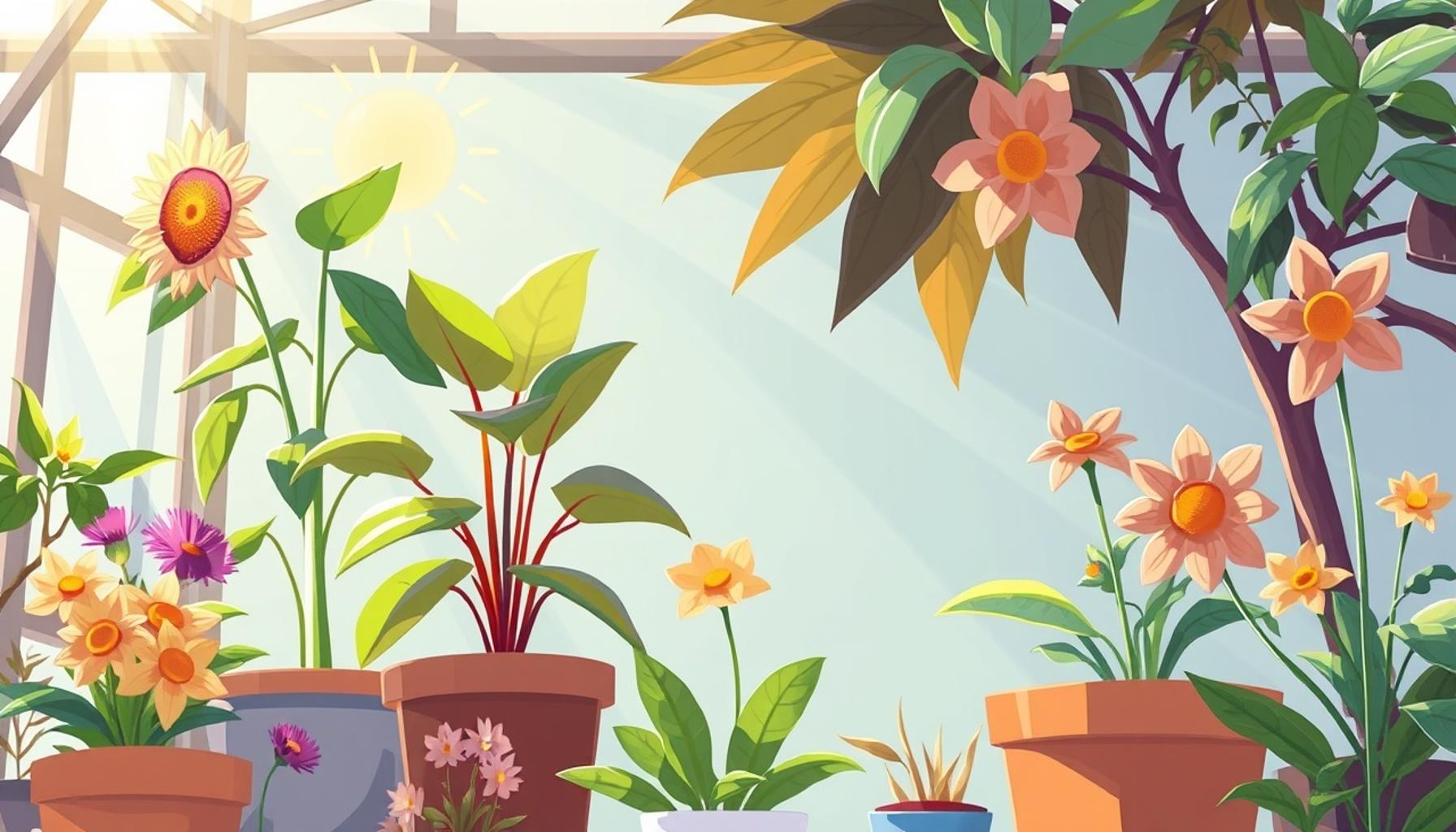
Sunlight is not just an aesthetic component of gardening; it plays a fundamental role in plant health and growth. Different species of plants have evolved unique adaptations to optimize their ability to capture sunlight. Whether you are a novice gardener or a seasoned horticulturist, grasping the intricacies of how much sunlight your plants need can help you cultivate a thriving garden.
Types of Sunlight and Their Requirements
When determining which plants will thrive in your garden, start by classifying the sunlight your space receives. Here are the three primary categories:
- Full Sun: These plants flourish with at least 6-8 hours of direct sunlight each day. Examples include tomatoes, sunflowers, and lavender. Full sun plants tend to have robust and sturdy builds, often exhibiting vibrant blooms and lush foliage.
- Partial Sun/Shade: These plants prefer to bask in 4-6 hours of sunlight but can adapt to areas with bright, indirect light. Favorites in this category are impatiens, hostas, and certain types of ferns. They often thrive in transitional spaces within gardens, like the edges of flowerbeds or under larger trees.
- Full Shade: Requiring less than 4 hours of direct sunlight, these plants are excellent choices for those tricky dark corners of your garden. Consider options like astilbes, ferns, and various types of mushrooms that not only thrive but bring texture and color to shaded areas.
Factors Influencing Sun Exposure
Not all gardening spaces are created equal, and understanding your garden’s unique environment can significantly affect plant growth. Here are some critical factors to consider:
- Location: Urban gardens often contend with shading from tall buildings and structures. In these scenarios, you might need to select plants that adapt well to lower light conditions or enhance light availability with reflective surfaces.
- Season: The position of the sun changes with seasons, affecting sunlight availability. In winter, many areas experience shorter days with lower angles of sunlight, which can influence plant health if they are not suited for such conditions.
- Local Climate: Regional differences, like those found between the Pacific Northwest and the Southeast, impact the amount of sunlight received. For instance, the Pacific Northwest may have plants better adapted to lower light conditions due to its overcast skies, whereas the Southeast may require drought-resistant plants that thrive in full sun exposure.
Making Informed Decisions
Understanding these sunlight requirements opens up a world of possibilities for your garden. By matching the appropriate types of plants to your specific location and conditions, you can create a vibrant, flourishing ecosystem that showcases the diversity of plant life. Dive deeper into the nuances of sun requirements and explore specific varieties that will bring life and color to your outdoor space. With the right knowledge, your gardening endeavors can be both rewarding and fruitful.
DISCOVER MORE: Click here to find the best plants for beginners
Assessing Your Garden’s Light Conditions
Before selecting plants that will flourish in your garden, understanding light conditions is paramount. Each garden has a unique sunlight pattern influenced by factors like topography, nearby structures, and surrounding flora. A thorough analysis of these elements will aid in creating a harmonious environment where plants can thrive, ensuring a lush display of color and vitality.
Measuring Sunlight Exposure
To accurately categorize your garden’s sunlight exposure, consider observing it throughout the day. Take note of the following:
- Duration of Sunlight: Track how many hours your garden areas receive direct sunlight. This can change with the seasons, and recognizing the variations is crucial in ensuring you have the right plants in the right places.
- Shade Patterns: Identify areas cast in shadow by trees, buildings, and fences. These shadows shift throughout the day, meaning a spot that is partially sunny in the morning may turn entirely shaded by afternoon.
- Sunrise and Sunset: Knowing the sun’s trajectory in relation to your garden can provide valuable insight into which areas receive the most light. Certain plants may be more sensitive to early morning light versus late afternoon sun, affecting their growth and flowering.
Creating a Sunlight Map
To gain a clearer understanding of your garden’s unique sunlight exposure, creating a sunlight map can be extremely beneficial. Here’s how to do it:
- Spend a full day observing your garden. Take detailed notes at various intervals, marking areas that receive full sun, partial sun, and full shade.
- Sketch a simple diagram of your garden layout, noting the potential placement of larger trees and structures that could influence light levels.
- Assign color codes to different light conditions, such as bright orange for full sun, yellow for partial sun, and blue for shade. This will offer a quick visual reference.
By using this sunlight map, you not only obtain a clear vision of where to plant but also understand how different plants will perform in relation to the sunlight available in each area. Some plants thrive in full sun with vigorous growth and flowering, while others may suffer if they aren’t placed in favorable conditions.
Choosing the Right Plants
Once you have assessed the sunlight conditions in your garden, the next step is to choose the right plants that match these requirements. Understanding the specific needs of each plant species can lead to a more harmonious gardening experience. For example, when selecting full sun plants, look for varieties known for their drought tolerance and resilience, like zinnias and echinacea. In contrast, for shaded areas, opt for plants like hostas or lamium that will thrive in less sunlight.
By aligning plants with their appropriate light conditions, you are not just enhancing your garden’s beauty; you are also promoting sustainable growth. This foundational understanding of sunlight requirements will pave the way for a successful gardening journey, encouraging exploration into a diverse world of plants suited to your specific environment.
Understanding Sunlight Requirements for Different Plants
Plants exhibit a diverse range of sunlight requirements, which are critical to their growth and overall health. Identifying and meeting these requirements can make the difference between a thriving garden and a struggling one. Some plants thrive in full sun, while others prefer partial shade or complete shade. This necessitates a careful assessment of light exposure in your gardening space.
For instance, succulents and cacti are adaptative to direct sunlight and require at least 6 hours of sun daily to flourish. Conversely, plants like ferns and certain orchids thrive under the forest canopy, utilizing filtered light to meet their photosynthetic needs. Understanding these nuances is essential for each gardener.
Moreover, the angle of the sun shifts throughout the year, affecting how light reaches your plants. As seasons change, it’s crucial to reevaluate the positioning of hung planters or containers to ensure that plants still receive adequate sunlight. Additionally, factors such as the geographical location and climate conditions will play significant roles in determining your plant’s requirements.
| Category 1 | Category 2 |
|---|---|
| Full Sun Plants | Require 6+ hours of direct sunlight daily. |
| Shade Tolerant Plants | Adapt to lower light conditions, thriving in partial to full shade. |
As such, establishing a successfully vibrant garden hinges on understanding these specific requirements. Knowledge of plant needs aids in avoiding common issues such as burned leaves or stunted growth. Ultimately, delving deeper into each plant’s innate preferences can elevate your gardening experience and yield flourishing results.
EXPLORE MORE: Click here for essential gardening tips
Understanding Plant Categories by Sunlight Needs
After evaluating your garden’s light conditions, it is essential to delve into the specific categories of plants based on their sunlight requirements. Each category holds a distinct significance in your landscaping strategy, influencing not only aesthetics but also ecological balance.
Full Sun Plants
Full sun plants thrive when basked in at least six hours of direct sunlight each day. These plants often showcase vibrant blooms and robust foliage, necessitating exposure to maximize their growth potential. Some popular choices for gardens in the United States include lavender, which offers a fragrant aroma alongside its striking purple flowers, and daylilies, celebrated for their hardiness and stunning array of colors.
When integrating full sun plants into your garden design, consider the aspect of drought resistance. Many of these plants, like sedum and astilbe, have evolved to withstand dry spells and require little additional watering once established. This characteristic is especially beneficial in regions prone to heatwaves or water shortages.
Partial Shade Plants
In contrast, partial shade plants require about three to six hours of sunlight each day, ideally in the morning or filtered light during the afternoon. This category is vital for areas that receive sporadic sun due to trees or buildings. Varieties like fuchsia and bleeding heart are well-suited for these conditions, offering enchanting blooms that enrich shaded corners of your garden.
It’s important to note that partial shade does not imply darkness; rather, it refers to light that is indirect or briefly accessible. Plants in this category may exhibit slower growth compared to their full sun counterparts but can flourish beautifully when provided the appropriate light levels.
Full Shade Plants
Lastly, full shade plants are tailored for areas receiving less than three hours of direct sunlight. Gardens featuring dense tree canopies or structures blocking out the sun will benefit from integrating varieties such as ferns, hostas, and Japanese painted ferns. These plants add texture and depth to shaded regions and can create a tranquil, verdant atmosphere.
Understanding that full shade does not equate to barren land is crucial. Many of these plants have adapted to utilize lower light levels efficiently, developing broader leaves or unique photosynthetic processes that enable them to thrive in limited sunlight.
Specialized Sunlight Needs
Some plants have more nuanced requirements that fall outside the traditional categories. For instance, sun-loving succulents like aloe vera thrive in bright, direct sunlight but can suffer if temperatures soar without adequate ventilation. On the other hand, twilight plants, such as caladiums, prefer bright but indirect light, making them perfect for spaces that receive dappled sunlight throughout the day.
Researching and understanding these specialized needs can lead to creative garden designs that optimize every inch of sunlight available, allowing gardeners to experiment with diverse plant varieties.
Equipped with this knowledge of plant categories based on sunlight requirements, you can now enrich your garden, ensuring the right plants find their perfect spots, leading to flourishing greenery and lasting beauty.
LEARN MORE: Click here for essential soil preparation techniques
Conclusion: Mastering Your Garden’s Sunlight Dynamics
In conclusion, understanding sunlight requirements for different plants is pivotal to cultivating a lush and vibrant garden that thrives year-round. By categorizing plants into full sun, partial shade, and full shade groups, along with those having specialized requirements, gardeners can harness the full potential of their landscapes. This knowledge not only beautifies your outdoor space but also promotes ecological balance, encouraging biodiversity and sustainability.
As you plan your garden, consider the specific characteristics of your environment, from daily sun exposure to the unique microclimates that might exist due to nearby structures or trees. Tailoring your plant selection to align with each category’s light needs ensures that your choices will flourish, maximizing growth, vibrant colors, and health.
Moreover, the exploration of specialized sunlight needs opens doors to creative gardening strategies. Adapting your gardening approach by integrating plants that excel in unique light conditions can turn challenging areas into stunning focal points. With an informed strategy, every corner of your garden—be it sunny, shaded, or a mixture of both—can be transformed into a flourishing oasis.
Embark on this enlightening journey of plant selection and arrangement to create spaces that are not just visually appealing but also harmonious with nature. Embrace the art of gardening with a comprehensive understanding of sunlight requirements—your plants will thank you!