Eco-Friendly Pest Control Beginner Tips for a Chemical-Free Garden
Introduction
Starting a garden can be an exciting adventure, especially for beginners looking to cultivate their own fruits, vegetables, and flowers. However, the journey can be complicated by pests that threaten your precious plants. The good news is that you can protect your garden using natural pest control methods that are both safe and effective.
As gardening becomes increasingly popular, more people are seeking ways to grow their gardens in an eco-friendly manner. Beginner gardeners often want to avoid chemical pesticides due to their potential harm to the environment and human health. By opting for natural methods, you can create a thriving garden while also being a responsible steward of the earth.
This guide will present the Top 5 natural pest control methods perfect for beginners. Each method is designed to protect your plants without compromising safety, ensuring that your garden remains a healthy and happy sanctuary.
DISCOVER MORE: Click here to see the top tools you’ll need
Top 5 Natural Pest Control Methods for Beginners: Protecting Your Garden Without Chemicals
Gardening is a rewarding activity offering numerous benefits, from allowing you to grow your own food to creating relaxing green spaces. However, one of the biggest challenges that beginners face is pest control. Using harsh chemicals can not only harm your garden but also the surrounding environment. Fortunately, nature offers alternative methods. Here, we explore the top five natural pest control techniques to help you maintain a flourishing garden without compromising its ecological balance.
5. Companion Planting
Companion planting is a symbiotic method whereby different plants are grown together to support one another. This age-old practice is ideal for beginners because it’s both effective and straightforward. By strategically placing plants that naturally deter pests, you promote a healthier and more resilient garden environment.
Marigolds, for example, are a gardener’s best ally. Their pungent smell repels nematodes, aphids, and even some beetles, making them excellent companions for a wide range of vegetables, especially tomatoes. Similarly, planting basil near tomatoes is not only beneficial for pest control but it is also thought to enhance the flavor of tomatoes.
Consider these classic companion pairings:
- Tomatoes and Basil: Not only does basil deter tomato hornworms, it also makes a delicious pairing in culinary dishes.
- Carrots and Onions: Onion’s strong scent helps mask the smell of carrots, confusing carrot flies.
- Squash and Nasturtiums: Nasturtiums act as trap plants, attracting aphids away from squash.
Through companion planting, you foster a diversified garden that naturally discourages pests and promotes mutual plant health.
4. Homemade Insecticidal Soap
Homemade insecticidal soap is a cost-effective and eco-friendly remedy for managing pests like aphids, whiteflies, and spider mites. This simple yet potent mixture helps remove these pests without introducing harsh substances into your garden.
To create your own insecticidal soap, mix two tablespoons of liquid soap (such as castile or any fragrance-free soap) with one gallon of water. Spray the mixture directly onto plants, ensuring you cover both the upper and undersides of leaves where pests tend to hide.
The soap works by disrupting the pests’ cell membranes, effectively dehydrating and killing them. By applying this method consistently, especially early in the morning or late in the evening, you can manage pest populations without harming your plants. Regularly monitor your garden for pest activity and adjust your usage as needed.
3. Essential Oils
Essential oils are a delightful and effective way to enhance the health of your garden while keeping pests at bay. These oils derive from plants known for their strong pest-repelling properties. Implementing essential oils into your pest control routine can also bring a pleasant aroma to the garden.
Create a simple repellent spray by mixing several drops of essential oil with a water carrier. Here are how specific oils can aid your garden:
- Peppermint Oil: Known to repel ants and aphids, peppermint oil can also invigorate other plants with its uplifting scent.
- Rosemary Oil: Effective against caterpillars and beetles, rosemary oil also has added antifungal properties.
- Neem Oil: A staple in natural pest control, neem oil not only repels insects but also disrupts their lifecycle, acting as a broad-spectrum pesticide.
This method not only enriches the pest management strategy but also contributes to a calm and fragrant garden atmosphere.
2. Diatomaceous Earth
Diatomaceous earth (DE) is a finely milled powder made from crushed fossilized remains of aquatic organisms called diatoms. As a natural pesticide, its abrasive texture damages the exoskeletons of insects such as ants, slugs, and beetles, leading to their dehydration and death.
Applying DE is straightforward: simply dust a thin layer over your plants and around the garden beds. It is essential to reapply after watering or rain, as moisture can compromise its effectiveness. While DE is safe for humans and pets, it should be applied carefully to avoid harming beneficial insects.
Incorporating diatomaceous earth into your garden care routine allows you to effectively manage pest populations without the need for toxic chemicals, promoting both plant and soil health.
1. Natural Predators
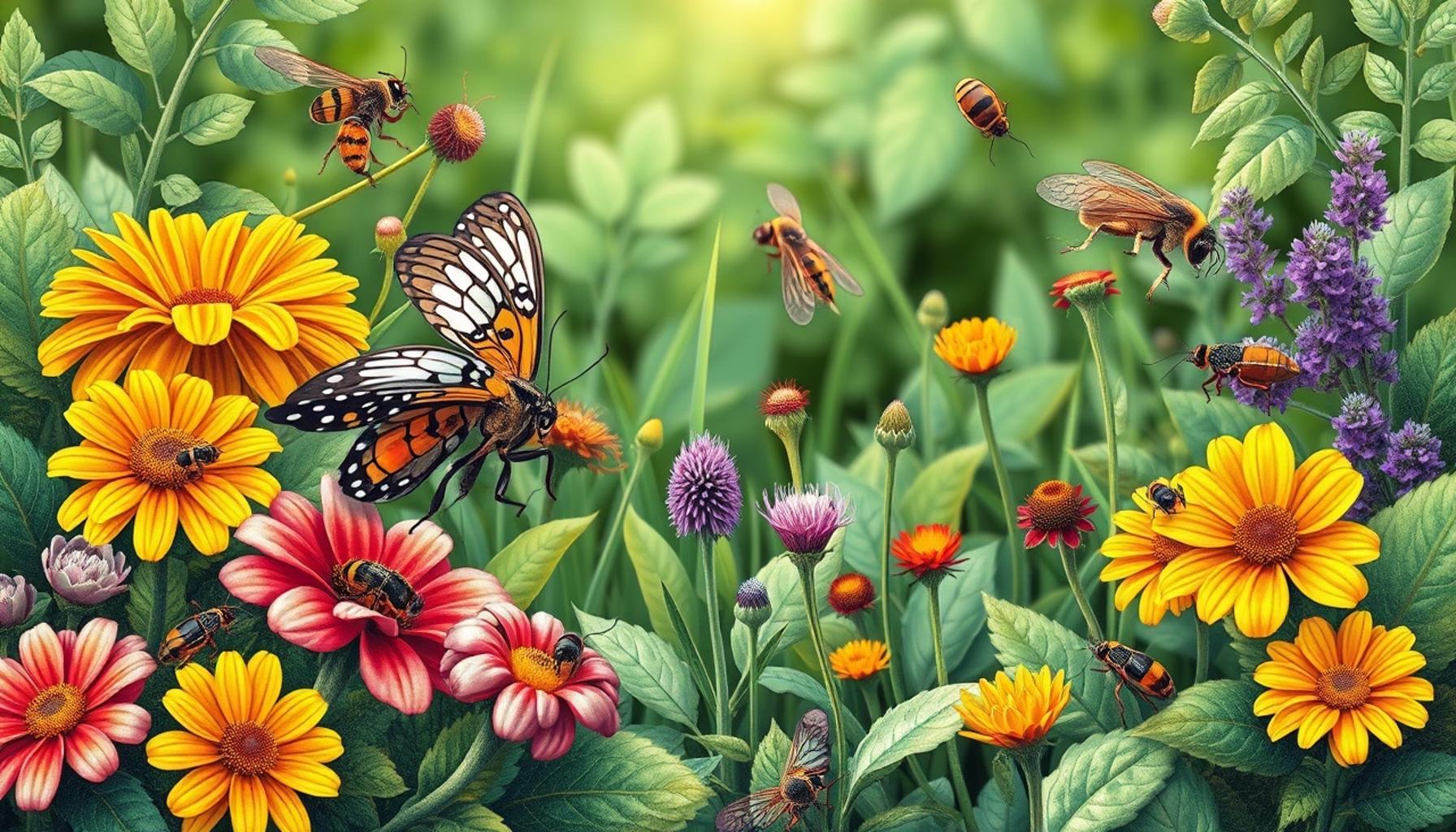
The most sustainable method to manage pests is through the use of natural predators. This approach leverages the garden’s ecosystem to keep pest populations in check naturally. Attracting such beneficial insects to your garden involves creating a habitat that is welcoming and nourishing for them.
Here are some key natural predators and their prey:
- Ladybugs: These colorful insects feed on aphids and other soft-bodied pests, acting as a natural extermination crew.
- Praying Mantises: A fierce predator that consumes a wide range of garden pests, including caterpillars and beetles.
- Parasitic Wasps: These minute wasps target pest larvae, laying their eggs inside them and reducing pest offspring.
To attract these beneficial insects, plant a variety of flowers such as yarrow, dill, or fennel, which provide nectar and habitat. This method not only reduces pest problems but creates a thriving, balanced garden ecosystem that supports diverse plant life.
In summary, natural pest control methods offer a sustainable path to a healthy and productive garden. By implementing techniques like companion planting, homemade insecticidal soap, and encouraging natural predators, beginners can effectively manage pests without the use of harmful chemicals. These approaches not only benefit the garden but also support the broader environment, ensuring your gardening practice is both rewarding and eco-conscious.
| Natural Pest Control Method | Benefits |
|---|---|
| Companion Planting | This method involves planting certain plants together that can benefit each other in terms of pest control. For example, planting marigolds alongside vegetables can repel nematodes and aphids, promoting a healthier garden ecosystem. |
| Neem Oil | Derived from the seeds of the neem tree, this natural insecticidal oil disrupts the life cycle of pests. It is effective against a variety of insects, such as aphids and whiteflies, while being safe for beneficial insects when applied correctly. |
| Diatomaceous Earth | This powdery substance, made from the fossilized remains of tiny aquatic organisms, can be sprinkled around plants to deter soft-bodied insects. It works by damaging the exoskeletons of pests, leading to dehydration. It is non-toxic and poses no threat to pets or humans. |
| Biological Control | This method utilizes natural predators or parasites to control pest populations. For instance, ladybugs can help manage aphid infestations. By encouraging these beneficial insects, you can maintain a healthier balance in your garden without the use of chemicals. |
A significant step in natural pest control is understanding the life cycle and behavior of the pests you are dealing with. For example, monitoring your garden regularly can help you identify pest problems early before they escalate. One practical approach is to keep a **garden journal**, where you can note any pest sightings and the types of damage you observe. This will assist in determining effective methods tailored to your garden’s specific needs. In addition, practicing good garden hygiene helps reduce pest populations. Techniques such as removing dead plant material and weeds can eliminate potential habitats for pests, making your garden less inviting to unwanted visitors. Furthermore, rotating crops each year is effective in breaking the life cycles of pests and diseases that may affect specific plants.Lastly, fostering a diverse garden environment not only supports natural pest control but also benefits overall plant health. Encouraging the presence of birds, beneficial insects, and a variety of plants can lead to a thriving ecosystem, ultimately protecting your garden without chemicals. Remember, the goal is to create a balanced environment where beneficial species can thrive and help manage pest populations naturally.
DISCOVER MORE: Click here to start your gardening journey
Frequently Asked Questions About Natural Pest Control
What are some effective natural pest control methods I can use in my garden?
There are several natural pest control methods that can be highly effective. One common method is using companion planting, where certain plants are grown together to naturally repel pests. For example, marigolds can deter aphids. Another method is employing beneficial insects like ladybugs and lacewings, which prey on common garden pests. Additionally, you can create homemade sprays using ingredients like garlic or neem oil to keep unwanted insects at bay.
How can I attract beneficial insects to my garden?
To attract beneficial insects, you should create an inviting environment. Plant a variety of flowers with different blooming times to provide nectar and pollen throughout the growing season. Herbs like dill, fennel, and cilantro are also favorites of beneficial insects. Avoid using chemical pesticides as they can deter or harm these helpful creatures. Providing shelter, like small bug houses or leaving some natural debris, can also encourage them to take up residence in your garden.
Can natural pest control methods harm my plants or soil?
Natural pest control methods are generally safe for both plants and soil when used correctly. Unlike chemical pesticides, they do not introduce harmful toxins into the environment. For instance, while neem oil is effective against pests, it does not harm beneficial insects if applied carefully. Similarly, companion planting and encouraging beneficial insects enhance biodiversity, which can improve soil health rather than degrade it.
Are there any specific plants that naturally repel garden pests?
Yes, many plants can serve as natural pest repellents. Aside from marigolds, which deter nematodes and aphids, lavender can repel moths, fleas, and mosquitoes. Basil is another excellent choice, known for driving away flies and mosquitoes. Additionally, planting rosemary can discourage certain insects like cabbage moths, while also being a fragrant and useful herb itself.
How can I ensure these methods are effective over time?
To ensure the effectiveness of natural pest control methods, regular monitoring and maintenance are key. Observe your garden frequently to identify pest issues early. Rotate crops to prevent pest build-up and maintain soil health. Moreover, keep experimenting with different techniques to discover what works best in your specific garden conditions. Consistency and patience are crucial, as natural methods often take more time to show results compared to chemical interventions.
DISCOVER MORE: Click here to find the must-have tools for your garden
In Conclusion
For those new to gardening and passionate about keeping their gardens chemical-free, understanding and implementing natural pest control methods is not only beneficial for the environment but also essential for nurturing a thriving garden space. Throughout this article, we have explored various eco-friendly strategies that beginners can easily adopt. These methods not only protect your plants but also contribute to a healthier ecosystem.
Key Takeaways
- Manual Removal: It’s a simple yet effective way to handle small pest infestations. Regularly inspecting plants and removing any unwanted visitors can keep your garden healthy.
- Companion Planting: By strategically growing specific plants together, you can naturally deter pests due to their inherent properties, thus maintaining a harmonious balance.
- Homemade Sprays: Using ingredients readily available at home, such as garlic or neem oil, these sprays are not only affordable but safe for plants and the environment.
- Encouraging Beneficial Insects: Inviting predatory insects like ladybugs and lacewings into your garden can naturally curb pest populations by preying on harmful insects.
- Maintaining Garden Health: A strong and healthy garden is the best defense against pests. Prioritize soil health, appropriate watering, and good air circulation.
Adopting these natural pest control methods empowers beginner gardeners to cultivate robust plants while minimizing harm to the environment. As you embark on this gardening journey, remember that persistence with these techniques will bring long-term rewards. You not only preserve the sanctity of your garden but also contribute positively to biodiversity in your locale. In embracing these methods, you become a steward of your garden, fostering an ecosystem where every creature plays a part in its vitality.