Choosing the Right Indoor Plants for Beginners
Welcome Nature Indoors
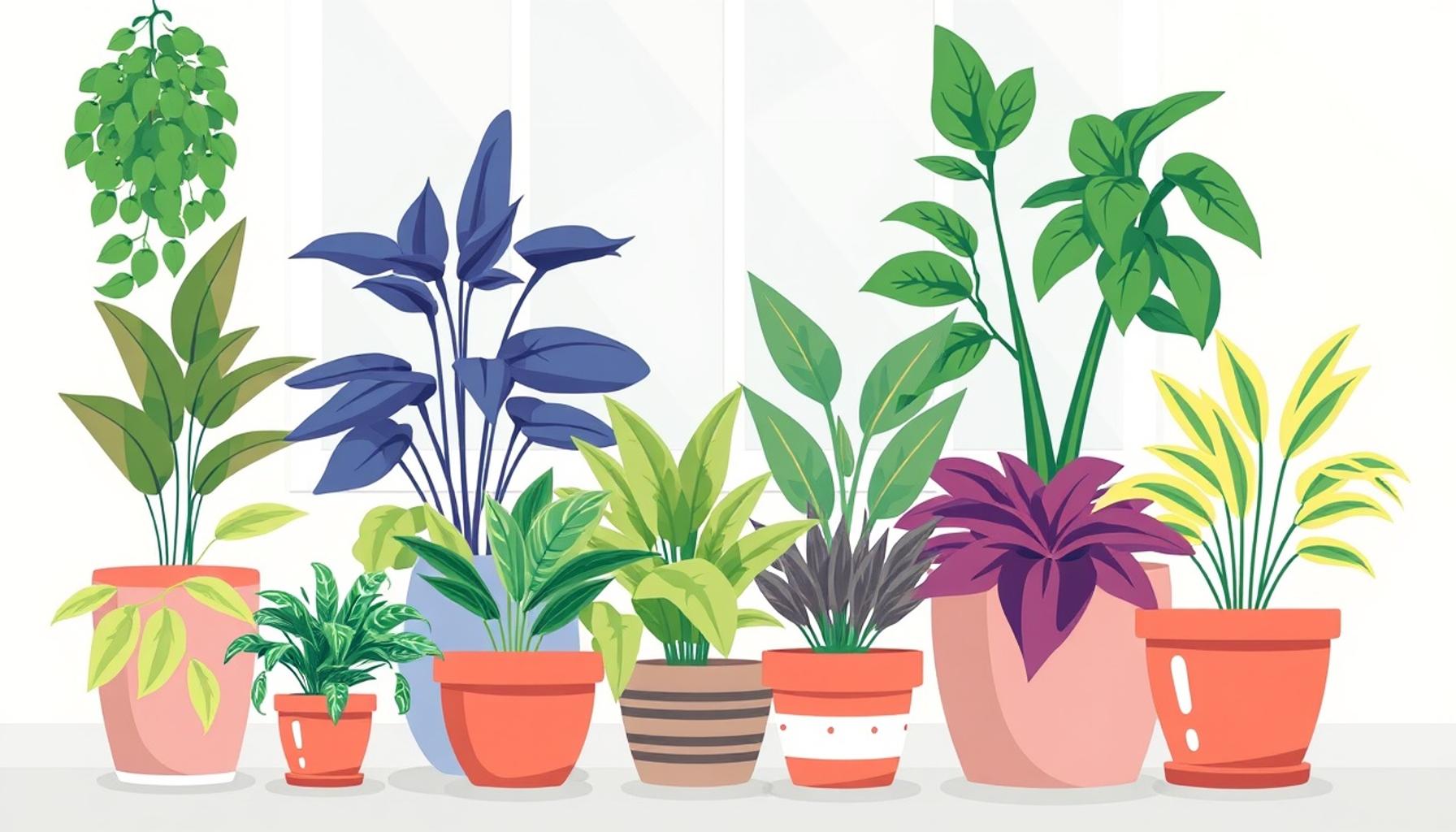
Indoor plants serve as more than just decorative elements; they significantly improve the air quality and ambiance of any living space. Incorporating greenery into your home can create a soothing escape from the hustle and bustle of everyday life. For individuals new to the world of plants, however, the plethora of choices can be a double-edged sword, making the selection process both exciting and intimidating. Choosing the right plants is crucial to nurturing a thriving indoor garden that enhances your home.
Key Factors to Consider
When selecting plants, several key factors need to be contemplated to ensure their success in your home:
- Light Requirements: It’s critical to assess how much natural light each room in your home receives. Some plants, like the Fiddle Leaf Fig, thrive in bright, indirect sunlight, while others, such as the ZZ Plant, can flourish in darker corners with very little light. Understanding these needs ensures your plants are set up for success, preventing leggy growth and poor health.
- Watering Needs: Each plant has its own unique watering requirements. A common pitfall for many new plant parents is overwatering, which can lead to root rot. For instance, the Succulent family prefers dry soil, while tropical plants like the Peace Lily enjoy consistently moist conditions. Familiarizing oneself with the specific needs of each plant can help mitigate such issues.
- Space Available: Not every plant can adapt well to small spaces. It’s essential to evaluate the amount of room you have before choosing a plant. Larger species like the Rubber Plant can grow quite tall and wide, while Air Plants require minimal space and can even be mounted on walls or displayed in terrariums.
Top Picks for Beginners
If you’re eager to bring greenery into your home but aren’t sure where to start, consider these beginner-friendly options:
- Snake Plant: Known for its air-purifying qualities, this hardy plant is nearly indestructible and thrives on neglect, requiring minimal watering and light.
- Pothos: Renowned for its trailing vines, this plant is not only fast-growing but also highly forgiving of various environmental conditions, making it perfect for new plant aficionados.
- Spider Plant: With its arching leaves and small “baby” plants that grow on the ends of its foliage, this eye-catching species is both easy to care for and propagate, allowing for your collection to grow over time.
By selecting the right plants, you can cultivate a vibrant, lush atmosphere in your home. As you delve into the world of indoor gardening, it’s essential to embrace the unique characteristics and care requirements of each plant. This exploration promises to be rewarding, leading to an enriching hobby that beautifies your space and enhances your well-being. Engaging with your plants encourages connection to nature, which can serve as a soothing counterbalance to the demands of modern life.
DISCOVER MORE: Click here to uncover easy gardening tips
Understanding Plant Types and Their Needs
As you embark on your journey to create an indoor oasis, it is essential to broaden your understanding of the various plant types available and their specific needs. Each species offers unique aesthetics and characteristics, making it vital for beginners to choose wisely. The first step is to familiarize yourself with indoor plant classifications, which can be categorized into three main types: low-light plants, med-light plants, and high-light plants. This classification not only aids in selecting the right plant but also aligns with the individual light conditions present in your home.
Low-Light Plants
Low-light plants are perfect for rooms with limited natural sunlight or for those who prefer a functional but less demanding plant collection. The Snake Plant, for example, is a popular choice, known for its striking vertical leaves and incredible adaptability. Its low maintenance requirement makes it an ideal starter plant, as it can thrive in areas with minimal light and needs watering only when the soil is completely dry.
Medium-Light Plants
If you have a room that receives indirect sunlight for a good part of the day, consider mid-light plants such as the Pothos or Spider Plant. Pothos, often characterized by its heart-shaped leaves and the ability to cascade charmingly from hanging baskets, is perfect for beginners. This plant will flourish with a sprinkling of determination and the occasional watering. Spider plants, conversely, offer delightful “baby” offshoots that you can propagate easily, making them a fun choice for hobbyists eager to expand their floral family.
High-Light Plants
Finally, if you are fortunate enough to have abundant sunlight pouring into your home, high-light plants are a great option. The Fiddle Leaf Fig, revered for its large, glossy leaves, can create a captivating focal point in any room. However, it is essential to be vigilant with its watering and humidity needs. A gentle reminder: while these plants can provide a dazzling effect, they do require more attention compared to their low and medium-light counterparts.
Taking time to understand these categories can greatly simplify the decision-making process. It helps to assess your living space not only based on light but also on temperature, humidity, and available space. This prevents the overwhelming feeling that often accompanies the vast selection of indoor plants. Not to mention, knowing the specific needs of your chosen plants will empower you in your caregiving journey, ensuring well-being for both you and your leafy companions.
As you begin to navigate the intriguing world of indoor gardening, remember that plant care is a journey of growth—both for you and the plants you nurture. Each choice you make lays the foundation for a rewarding experience that harmonizes your living space with nature, ultimately enhancing both aesthetics and mental well-being.
When it comes to choosing the right indoor plants, beginners often feel overwhelmed by the sheer variety available. It’s essential to select plants that not only suit your living environment but also fit your lifestyle. The right plants can enhance your home’s aesthetic while providing health benefits.
One of the biggest advantages of indoor plants is their ability to improve air quality. Plants like Spider Plants and Spathiphyllum are known for their air-purifying properties. They absorb toxins and release oxygen, creating a healthier atmosphere in your home. Beginners can easily care for these plants, as they thrive in a range of conditions and require minimal maintenance.
Another important factor to consider is the growth conditions where you plan to place your plants. Some indoor plants, such as Pothos and ZZ Plants, are known for their adaptability, thriving in low-light conditions. This flexibility makes them ideal for homes without ample natural light. On the other hand, if you have access to bright, indirect light, plants like Fiddle Leaf Figs and Succulents can flourish and add vibrant greenery to your living spaces.
Plant care doesn’t need to be complicated. Choosing low-maintenance plants allows beginners to build confidence as they learn the basics of plant care. With a little research, anyone can determine the watering, fertilization, and soil needs of their chosen plants, making the experience more rewarding.
To help you navigate your journey, here is a helpful table outlining the advantages of selecting the right indoor plants for beginners.
| Category | Benefits |
|---|---|
| Air Quality Improvement | Plants absorb toxins and increase oxygen levels, aiding in health and well-being. |
| Low Maintenance Options | Plants like Pothos and Snake Plants require minimal care, perfect for busy lifestyles. |
From boosting mental health to elevating home decor, indoor plants offer substantial advantages. Therefore, taking the time to choose suitable varieties can lead to a fulfilling and enriching greening experience. The journey of indoor gardening promises to be rewarding with the right knowledge and resources.
DISCOVER: Click here to learn about herbs for container gardens
Practical Tips for Successful Indoor Plant Care
Once you have identified the types of plants that suit your home environment, the next step is to focus on practical care tips that ensure your indoor garden flourishes. While individual needs can vary widely among species, there are key aspects in plant care that every beginner should prioritize: watering, soil selection, fertilization, and environmental factors.
Watering Wisely
A common mistake beginners make is overwatering their plants. Each plant species has its own watering requirements, and understanding the moisture needs of your chosen indoor plants is critical. For example, the ZZ Plant thrives on neglect and can go weeks without water, while a Peace Lily may flourish with consistent moisture in the soil. To avoid waterlogged roots, which can lead to rot, a good rule of thumb is to check the soil by sticking your finger about an inch deep. If it feels dry, it’s time for a drink. Additionally, using pots with drainage holes can help further regulate moisture levels.
Choosing the Right Soil
The right soil is another key component for successful indoor gardening. Not all potting soils are created equal; some are formulated specifically for certain types of plants. For instance, succulent and cactus mixes provide excellent drainage for species that prefer drier conditions. Meanwhile, potting mixes enriched with organic matter can provide a nutrient-dense environment for foliage plants. Moreover, it’s worth considering the inclusion of perlite or vermiculite to improve aeration and drainage, which minimizes the risk of root diseases.
Fertilizing at the Right Time
Understanding the optimal fertilization schedule can significantly enhance plant growth. During the active growing season, typically spring and summer, many plants benefit from regular feeding. A balanced houseplant fertilizer diluted to half strength can provide essential nutrients without overwhelming your plant’s roots. However, it’s wise to avoid fertilizing during dormant phases in fall and winter, as plants require less nutrition during these cooler months.
Environmental Considerations
Every indoor plant has specific environmental preferences. Understanding these can lead to a thriving indoor garden. Humidity is an often-overlooked factor; many tropical plants, such as the Boston Fern, thrive in higher humidity levels. Using a humidifier or placing a tray of water with pebbles underneath pots can create a suitable microclimate. Additionally, consider the ambient temperature, keeping plants away from drafty windows or heating vents to avoid stress.
Common Pests and Troubleshooting
Being proactive about pest management is equally important, especially for beginners. Common household pests, such as spider mites or aphids, can infiltrate your indoor garden. Regularly inspecting plants and maintaining cleanliness, including wiping down leaves to remove dust, can prevent infestations. If you do encounter pests, there are effective organic solutions, such as neem oil or insecticidal soap, to manage them without resorting to harsh chemicals.
By implementing these practical tips, beginners can set the stage for a rewarding indoor gardening experience. Each adjustment and observation enhances your green thumb and fosters a deep connection with the natural world within your living space. Your journey in selecting and caring for indoor plants can transform your home into a vibrant sanctuary, bringing joy and tranquility to your daily life.
DISCOVER: Click here for vibrant low-maintenance blooms
Conclusion: Cultivating Your Indoor Garden Journey
Embarking on the adventure of choosing the right indoor plants for beginners can be both thrilling and rewarding. With the right guidance and knowledge, you can easily create a flourishing indoor garden that enhances your living space while promoting wellness and relaxation. Remember to select plants that align with your environment, considering factors such as light, humidity, and temperature. The importance of understanding watering, soil, and fertilization cannot be overstated, as these elements are foundational to nurturing healthy plants.
Moreover, being vigilant about pest control and environmental conditions will contribute significantly to your plants’ vitality. Integrating practices like regular inspections and maintaining optimal humidity levels can serve to mitigate issues before they escalate. As you gain experience through observation and care, you will cultivate not only your plants but also your confidence as a gardener.
Your indoor plants will contribute to a serene atmosphere, invigorate your home decor, and promote a connection to nature amidst busy urban life. So, take the time to explore various species and learn their unique needs, and soon you will witness the transformation of your home into a nurturing oasis. As you continue on this journey, you may even find yourself drawn to more exotic species, expanding your indoor garden and enriching your knowledge along the way. Embrace your new role as a plant caretaker, and celebrate the joy and tranquility that indoor gardening can bring into your daily life.