The Influence of Soil Composition on Plant Growth: What You Need to Know

The Influence of Soil Composition on Plant Growth
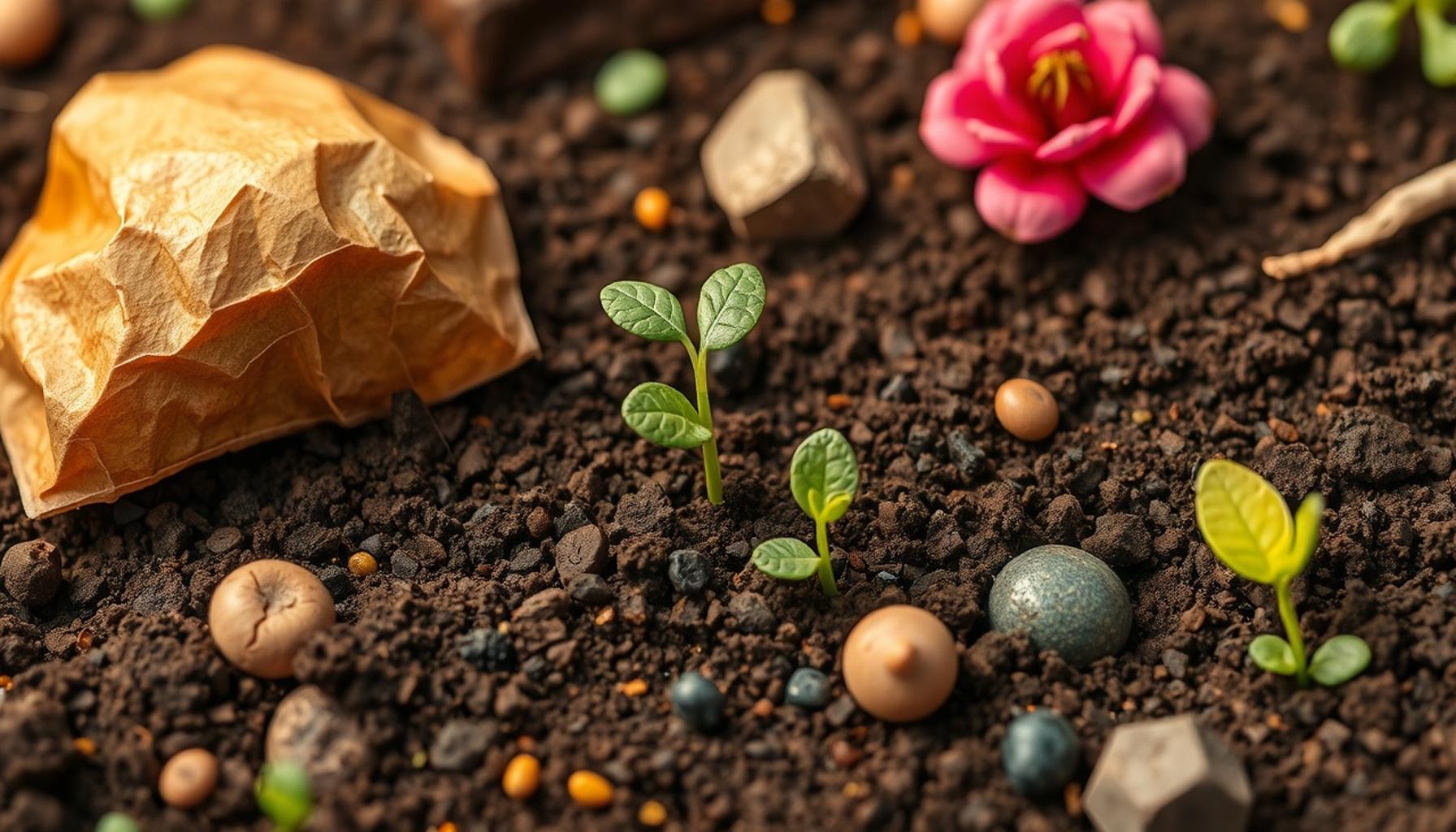
The relationship between soil composition and plant growth is a captivating subject that entices both gardeners and scientists alike. Understanding how various soil components influence plant health can lead to bountiful gardens and sustainable farming practices. With the right knowledge, you’ll discover how to enhance your crops and plants effectively.
Key Soil Components
Different soil compositions can dramatically impact plant development due to their unique properties. Among the most significant components are:
- Nutrients: Essential elements like nitrogen, phosphorus, and potassium, often referred to as NPK, serve as the foundation for plant health. Nitrogen is critical for leaf growth, phosphorus promotes root and flower development, and potassium helps strengthen plant tissues and enhances resistance to diseases.
- Texture: This refers to the proportions of sand, silt, and clay in the soil. Sandy soils drain quickly and are easy to work with but may not retain moisture well, whereas clay-heavy soils can retain water but may suffer from poor aeration. A balanced loamy soil is often ideal for most plants, as it offers both good drainage and moisture retention.
- pH Level: The acidity or alkalinity of the soil significantly affects nutrient availability. Most plants thrive in a pH range of 6.0 to 7.5. For example, highly acidic soils can hinder the absorption of vital nutrients like calcium and magnesium, thereby stunting plant growth.
- Organic Matter: Composed of decomposed plant and animal material, organic matter enriches the soil by improving its structure, enhancing moisture retention, and fostering microbial life. This balance plays a crucial role in sustaining nutritional needs for plants.
These factors are crucial for your plants’ overall growth and successful yield. For instance, a loamy soil rich in organic matter tends to support diverse plant life more effectively than sandy or clay-heavy soils. By carefully managing soil composition through practices such as composting, mulching, or using cover crops, farmers and gardeners can promote optimal yields and healthier plants.
Why It Matters
The implications of soil composition extend beyond mere aesthetics; they impact entire ecosystems as well. For farmers across the United States, especially in regions such as the Midwest known for its agricultural production, understanding local soil types and conditions can significantly enhance crop resilience against environmental changes. For example, Midwestern farmers dealing with the clay-heavy soils in their area can implement soil amendments to improve texture and drainage, thereby increasing their corn and soybean yields.
Moreover, urban gardeners can benefit from understanding soil composition to adapt their growing strategies in limited spaces. Using raised beds with the proper ratios of soil inputs can yield high-quality vegetables even in less than ideal conditions.
By deepening their awareness of how soil impacts plant life, individuals are poised to unlock the secrets of thriving plants in any landscape. This not only leads to healthier gardens but also contributes to sustainable farming ecosystems, underscoring the essential role of soil health in global agriculture.
DON’T MISS: Click here for essential tips
The Role of Nutrients in Plant Health
At the heart of plant growth lies the concept of nutrient availability. Plants absorb essential nutrients from the soil, with the three primary macronutrients being nitrogen, phosphorus, and potassium. These elements play different yet complementary roles in plant physiology. For instance:
- Nitrogen: Critical for chlorophyll production, nitrogen is essential for the growth of leaves and stems. A deficiency in nitrogen typically leads to stunted growth and yellowing of leaves, adversely affecting overall plant vitality.
- Phosphorus: This nutrient is vital for energy transfer and photosynthesis. It facilitates root development and enhances flowering, making strong phosphorus levels crucial for producing fruits and seeds.
- Potassium: Ensuring proper metabolic functions, potassium helps strengthen plant tissues and increases drought resistance. It aids in the regulation of water movement within the plant, which directly affects its resilience during fluctuating weather conditions.
To ensure optimal nutrient availability, soil testing is recommended. By knowing the nutrient composition of your soil, you can adjust your fertilization practices accordingly, promoting robust plant growth and reducing the likelihood of deficiencies.
The Importance of Soil Texture
The texture of soil is another vital factor that affects how plants thrive. Soil texture is defined by the relative proportions of sand, silt, and clay present in the soil. Each type of soil has distinct characteristics:
- Sandy soil: Known for its excellent drainage capabilities, sandy soil warms quickly in spring and is easy to cultivate. However, it often has difficulties retaining moisture and nutrients, which could limit plant growth unless regularly amended with organic materials.
- Clay soil: Clay has very fine particles that compact closely together, resulting in poor drainage but greater nutrient retention. While this type of soil can sustain plants with proper management, it often becomes waterlogged and can hinder root development.
- Loamy soil: A balanced mixture of sand, silt, and clay, loamy soil is often considered the ideal growing medium. It retains moisture while also providing good drainage and is rich in organic matter, making it conducive for a wide variety of plants.
Understanding soil texture allows gardeners and farmers to choose the right plants suitable for specific soil conditions. Additionally, adjusting soil texture through amendments can drastically improve plant health and yield.
The Impact of pH Levels
The pH level of soil—a measure of how acidic or alkaline it is—plays a critical role in nutrient availability. Most plants prefer a pH range of 6.0 to 7.5, where essential nutrients are easily accessible. When the pH deviates from this range, nutrient availability can significantly decline:
- Acidic soils (pH below 6.0) can limit the availability of crucial nutrients like calcium and magnesium, leading to deficiencies that impair plant growth.
- Alkaline soils (pH above 7.5) may hinder the uptake of important micronutrients, such as iron and manganese, causing symptoms like chlorosis and reduced plant vigor.
Regular soil testing for pH can help in making informed adjustments through the addition of lime or sulfur as necessary, ensuring that plants receive the right balance of nutrients for optimal growth.
The Role of Macroelements in Soil Composition
Soil is more than just a growing medium; it acts as a vital lifeline for plants. The composition of soil drastically influences the availability of essential nutrients critical for plant growth. Among these, macroelements such as nitrogen (N), phosphorus (P), and potassium (K) present crucial roles. A strong nitrogen presence enhances foliage development, while phosphorus is paramount for root establishment and flower production. Potassium assists in sustaining overall plant health, making it resilient to diseases.Additionally, soil pH can affect the solubility of these macroelements. For instance, a pH level that is too high or too low can hinder nutrient absorption, leading to deficiencies even when these elements are present. Understanding soil composition and its acidity or alkalinity is vital for in-depth plant care, and adjusting pH can make a significant difference in plant health.
The Importance of Microelements
Alongside macroelements, microelements such as iron, manganese, and zinc also play essential roles, albeit in smaller quantities. These trace elements support processes such as photosynthesis and enzyme function, which are critical for growth and development. A deficiency in microelements can lead to stunted growth, leaf discoloration, and overall poor plant vigor.Furthermore, the complex relationship between soil texture and plant nutrient availability cannot be overlooked. Soil texture, determined by the proportion of sand, silt, and clay, affects the soil’s ability to retain moisture and nutrients. For example, sandy soils drain quickly, which may lead to nutrient leaching, while clay soils can retain nutrients but may become compacted, negatively affecting root growth.Exploring the intricacies of soil composition and how various factors interconnect is vital for anyone interested in gardening, agriculture, or ecology. A deeper understanding of these elements can empower both amateur and expert gardeners to optimize their growing conditions and promote healthier plant life.
| Soil Components | Impacts on Plant Growth |
|---|---|
| Macroelements | Crucial for growth, influencing leaf development and root health. |
| Microelements | Essential for enzymatic processes; deficiencies can cause discoloration and stunted growth. |
In summary, understanding the intricate relationship between soil composition and plant growth can lead to more efficient gardening strategies and promote healthier ecosystems.
DISCOVER MORE: Click here to learn about selecting the perfect indoor plants
The Role of Organic Matter
Organic matter serves as the lifeblood of healthy soil, significantly influencing its structure, fertility, and overall health. Composed of decaying plant and animal materials, organic matter enhances soil by improving nutrient retention and increasing microbial activity, which is essential for the breakdown of nutrients that plants can absorb. As organic matter decomposes, it releases vital nutrients like nitrogen, phosphorus, and sulfur in a form accessible to plants.
Research indicates that soils high in organic matter can greatly boost plant growth and resilience. For instance, a 2019 study published in the journal Soil Biology and Biochemistry found that adding organic material to degraded soil showed a 30% increase in crop yield. Incorporating compost, mulch, or green manures into the soil can create a thriving ecosystem for beneficial organisms such as earthworms and bacteria, which aerate the soil and facilitate nutrient uptake.
Moreover, humus, a stable component of organic matter, plays a critical role in soil structure. It enhances water retention in sandy soils and improves drainage in clay soils, creating a beneficial environment for root development. As such, gardeners and farmers are encouraged to routinely enrich their soil with organic amendments, paving the way for healthier plants and abundant harvests.
Soil Microbiology and Plant Interaction
The microbial community within the soil is a hidden powerhouse that significantly influences plant health. Soil contains a myriad of microorganisms including bacteria, fungi, and protozoa, all of which interact with plant roots to facilitate nutrient exchange. For example, mycorrhizal fungi form symbiotic relationships with plant roots, extending their reach in search of water and nutrients while assisting in solubilizing phosphorus, making it available to the plant.
Additionally, soil bacteria play an essential role in nutrient cycling. Some bacteria fix atmospheric nitrogen, converting it into a form usable by plants, while others decompose organic matter, releasing nutrients back into the soil. A balanced microbial ecosystem is crucial for sustainable plant growth; imbalance can lead to diseases and reduced plant vigor. It is important to note that the activities of these microorganisms can be affected by soil composition, moisture levels, and the presence of organic matter, making the management of these factors a key component of successful gardening or farming.
Compaction and Aeration Effects
Soil compaction is another critical aspect that can severely limit plant growth. Compacted soil becomes dense, reducing pore space and limiting the movement of air and water. This leads to poor drainage and root growth, ultimately resulting in a decline in plant health. Compaction is often caused by heavy machinery, foot traffic, or natural processes such as rainfall.
Improving soil aeration is essential for healthy plants. Techniques such as aeration, incorporating organic matter, and selecting native plants that thrive in compacted soils can help relieve compaction issues. For instance, cover crops, their deep roots combined with the right biopores, can minimize compaction, invigorating the soil structure over time. Exploring these innovative approaches to soil management can bolster plant growth and yield significantly.
Climate and Soil Interaction
Finally, it is crucial to consider how climate interacts with soil composition. Temperature and moisture directly impact soil chemistry and the biological activity within it. Warmer climates may accelerate organic matter decomposition, while extreme rainfall events can lead to erosion and nutrient leaching. Understanding your local climate is essential for making informed decisions about soil management practices tailored to specific growing conditions and plant types. Implementing sustainable practices that acknowledge these climate-soil interactions can foster resilience in plant growth while promoting environmental stewardship.
DISCOVER MORE: Click here to learn about choosing the right indoor plants
Conclusion: Embracing the Impact of Soil Composition on Plant Growth
In summary, understanding the influence of soil composition on plant growth is essential for anyone involved in agriculture or gardening. From the vital role of organic matter in enhancing soil health to the complex interactions of the microbial community, each element plays a pivotal part in the nutrient cycle and overall plant vitality. The challenges that arise from soil compaction and changing climate conditions only underscore the importance of proactive soil management practices.
As we’ve explored, techniques such as incorporating organic amendments, employing crop rotation, and understanding local climatic impacts not only optimize nutrient uptake but also ensure sustainable growth for future seasons. Regularly monitoring soil health and composition can lead to impressive increases in crop yields, as demonstrated by recent studies. Consider initiatives that foster a diverse microbial ecosystem, as these microscopic allies can dramatically improve your gardening success.
Ultimately, the more we learn about our soil, the better equipped we become to cultivate thriving plants, whether for our personal gardens or in larger agricultural settings. Dive deeper into research and resources available to further enhance your soil understanding, and discover the transformative power it holds for your plants. Your next garden adventure could lead to amazing harvests, all starting from the ground up.