The Importance of Soil Testing for Beginner Gardeners
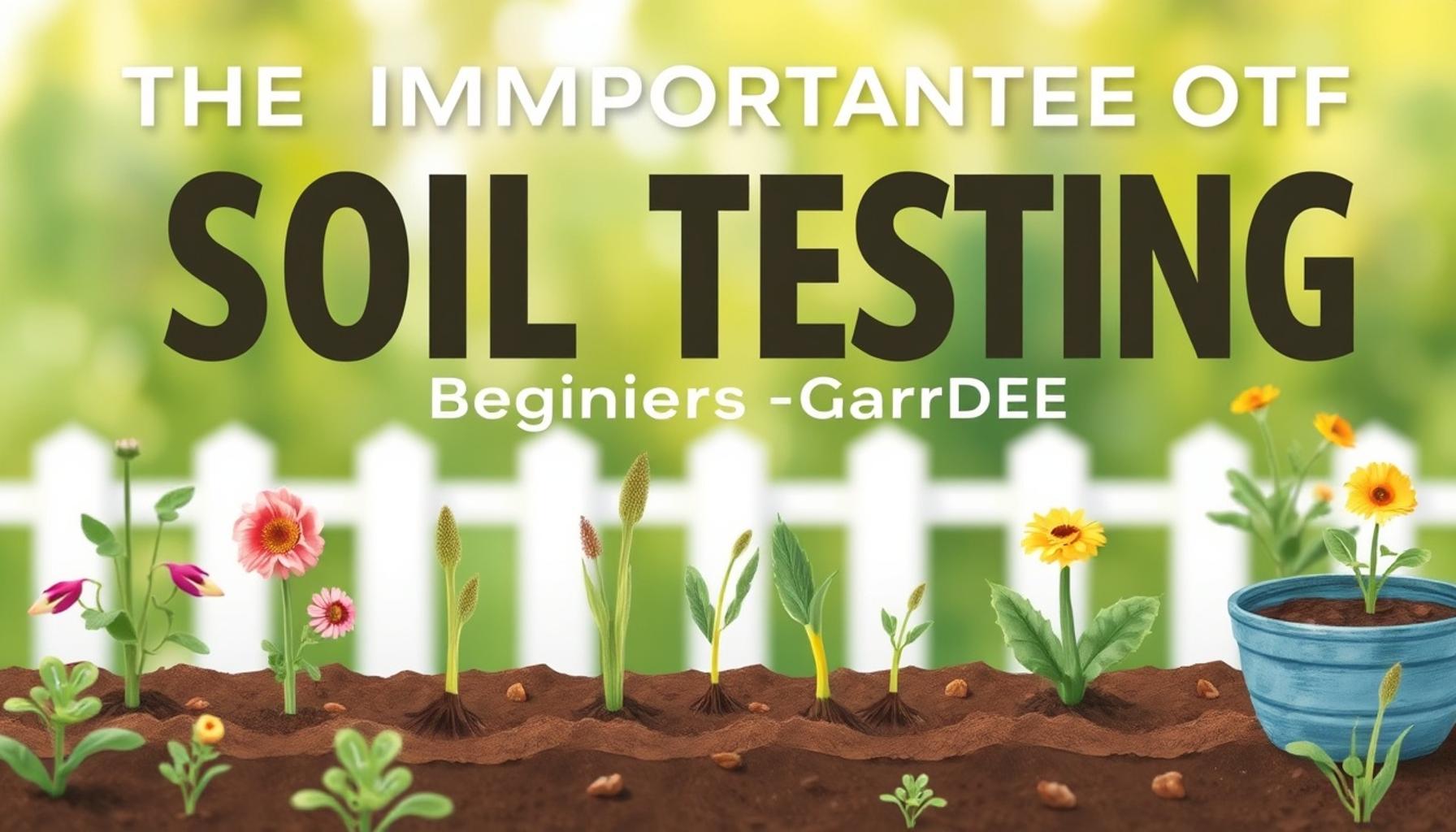
Exploring the Fundamentals of Soil Health
For beginner gardeners, the journey of cultivating plants can be both exciting and daunting. One crucial aspect that often gets overlooked is the health of the soil. Regular soil testing not only enhances plant growth but also ensures a bountiful harvest, making it a fundamental step for anyone looking to create a thriving garden.
Why Soil Testing Matters
Understanding the composition and quality of your soil can make all the difference in your gardening success. Here are key reasons why soil testing is vital for new gardeners:
- pH Levels: The pH level of your soil determines its acidity or alkalinity, which greatly affects nutrient availability to plants. For example, most vegetable crops prefer a slightly acidic pH (around 6.0 to 6.8). If your soil is too acidic or too alkaline, essential nutrients like magnesium and calcium may become unavailable, leading to nutrient deficiencies.
- Nutrient Content: Soil testing reveals the presence and amounts of essential nutrients, including nitrogen, phosphorus, and potassium—often referred to as NPK. A deficiency in these key nutrients can result in poor plant growth and diminished yield. For example, if a soil test indicates low nitrogen levels, gardeners might choose to incorporate nitrogen-rich fertilizers or organic amendments like compost to replenish the soil’s nutrient profile.
- Soil Type: Understanding whether your soil is sandy, clayey, or loamy is crucial as it impacts drainage and moisture retention. Sandy soils drain quickly but may lack nutrients, while clay soils retain moisture but can become compacted. Loamy soils, which are a mix of sand, silt, and clay, are often considered ideal for gardening due to their balance of drainage and nutrient-holding capacity.
Many beginner gardeners may not realize that untested soil can lead to poor plant growth or even failure. For instance, the state of New Jersey, known for its diverse agricultural practices, promotes soil testing through local cooperative extensions, allowing gardeners to address specific soil issues. By understanding what is in your soil, you can tailor your gardening efforts for optimal results, creating a more productive and vibrant landscape.
Taking the First Step
Soil testing isn’t a complex process, and there are various services available to help you analyze your soil composition, such as local agricultural extensions and commercial laboratories. Most offer easy-to-follow sampling kits. Simply take a sample from your garden bed, send it in, and await the results. The insight gained from these tests can unlock the potential of your garden.
Moreover, soil testing allows you to monitor changes over time, guiding you on the path from novice gardener to a seasoned horticulturist. Keeping track of your soil health can lead to informed decisions about crop rotation, fertilization, and planting times — all essential factors for a flourishing landscape.
In conclusion, investing time into understanding your soil’s health is an integral step in gardening, leading not just to better plant growth but also to a deeper appreciation for nature’s intricate systems. So, roll up your sleeves, grab a soil testing kit, and embark on the nourishing journey of gardening supported by the knowledge of your soil’s unique characteristics.
DIVE DEEPER: Click here to discover the best veggies for your garden
The Foundation of Successful Gardening
As beginner gardeners embark on their horticultural journey, the significance of soil testing cannot be overstated. Soil is the very foundation of plant life, providing essential nutrients and support for growth. Yet, many novice gardeners dive into planting without understanding the composition and condition of their soil. This lack of insight can lead to frustration, disappointments, and underwhelming results in the garden.
Unlocking the Secrets of Your Soil
To optimize plant growth and ensure a bountiful harvest, it’s essential to uncover what lies beneath the surface. Here are several important aspects that soil testing can illuminate:
- Nutrient Availability: A successful garden relies on a balanced supply of nutrients, including macro and micronutrients. Soil tests typically measure levels of nitrogen, phosphorus, potassium, calcium, and magnesium. For example, if a gardener’s soil test reveals a deficiency in phosphorus, they may struggle to achieve vigorous root growth and flowering in their plants. Adjusting nutrient levels based on these results can significantly enhance productivity.
- Organic Matter Content: Healthy soil is rich in organic matter, which improves structure, enhances moisture retention, and provides a habitat for beneficial microorganisms. Soil testing can indicate the percentage of organic matter in your soil. Beginner gardeners should aim for a minimum of 5% organic matter for optimal growing conditions, facilitating better water retention and nutrient cycling.
- Contaminants and Soil Health: Beyond nutrients, soil testing can reveal the presence of harmful contaminants such as heavy metals or toxins. This is particularly important for urban gardeners or those who live in areas with a history of industrial activity. Knowing whether your soil harbors these substances helps ensure that the food you grow is safe and healthy for consumption.
Throughout the United States, gardening programs and local agricultural extensions have been established to promote soil literacy among new gardeners. For instance, many states offer free or low-cost soil testing services, encouraging individuals to analyze their garden’s unique characteristics. By prioritizing soil testing, beginner gardeners can gain tailored insights that enable them to amend their soil appropriately and cultivate a flourishing garden.
Building a Proactive Gardening Approach
Engaging with soil testing equips novice gardeners with the knowledge to make proactive decisions about their gardening practices. These insights drive informed choices regarding soil amendments, planting techniques, and ongoing maintenance—transforming a fair garden into a thriving ecosystem.
When you take the time to assess the health of your soil, it empowers you to create a sustainable gardening plan that not only nurtures your plants but also contributes to the health of the wider environment. Investing in soil testing is, therefore, an investment in your gardening success.
The Importance of Soil Testing for Beginner Gardeners
Soil testing is a vital step that every beginner gardener should undertake to ensure a thriving garden. By understanding the composition of your soil, you can make informed decisions about what plants will thrive in your garden and what amendments are necessary to promote growth.
| Advantage | Description |
|---|---|
| Optimal Plant Selection | Soil testing helps gardeners choose the right plants that suit their soil conditions. |
| Nutrient Management | Testing provides critical information about nutrient levels, guiding the application of fertilizers effectively. |
| pH Level Assessment | Understanding the pH helps in adjusting soil acidity for better plant health. |
| Preventing Plant Diseases | Healthy soil leads to stronger plants that are less susceptible to diseases. |
Soil testing is not just about measuring nutrients; it’s about tailoring your gardening technique to maximize efficiency and output. Without soil testing, beginner gardeners might waste time and resources on unsuitable plants or unnecessary amendments. By incorporating soil testing into gardening practices, beginners can foster a more sustainable and productive garden environment.
Explore various soil testing kits available in the market and consider local agricultural extensions that offer testing services. With the right information, you’ll be on your way to cultivating a flourishing garden!
DON’T MISS: Click here to find the perfect plants for your garden
Enhancing Your Gardening Strategy with Soil Insights
As beginner gardeners learn to cultivate their green thumbs, the information gleaned from soil testing can transform their approach to gardening. Understanding the intricacies of soil not only improves the quality of the plants but also helps gardeners navigate challenges that may arise unexpectedly.
Customizing Your Nutrient Prescription
A key benefit of soil testing is the ability to create a customized nutrient plan tailored specifically to the needs of your plants. Many garden centers have a plethora of fertilizers to choose from, but without knowing your soil’s exact nutrient deficiencies, selecting the right product can be daunting. Once soil test results indicate specific nutrient deficits, gardeners can confidently choose organic or synthetic fertilizers designed to replenish those exact nutrients. This precision helps eliminate the guesswork, saving time and potentially reducing costs associated with unnecessary amendments.
pH Balance: The Key to Nutrient Availability
Another critical factor revealed through soil testing is soil pH. The pH level dramatically influences nutrient availability. Most garden plants thrive in a pH range of 6.0 to 7.5. If a soil test shows acidic soil (below pH 6.0), essential nutrients like calcium and magnesium become less available, potentially leading to stunted plant growth or poor crop yields. Alternatively, an alkaline environment (above pH 7.5) can hinder other nutrients, such as iron, causing issues like chlorosis in plants. Soil amendments, like lime for acidic soils or sulfur for alkaline soils, are needed to bring the pH within the optimal range. Beginner gardeners armed with this information can readily amend their soil and adjust their gardening strategies accordingly.
The Role of Soil Testing in Crop Rotation
For those beginner gardeners interested in practicing crop rotation, soil testing becomes invaluable. By identifying the specific nutrient needs of different plants, gardeners can create a rotational system that minimizes soil depletion and controls pests and diseases naturally. For example, legumes, such as beans or peas, enrich the soil with nitrogen and can be strategically placed in rotation following heavy nitrogen feeders like tomatoes or corn. This informed approach nurtures a vibrant ecosystem in the garden and maintains soil health over the long term.
Water Management and Soil Structure
Soil testing also provides insight into soil structure, which is crucial for effective water management. Marginally structured soils may lead to drainage issues, resulting in waterlogging or drought stress. Armed with awareness from soil tests, beginner gardeners can amend compacted or poorly draining soils with compost or organic matter to improve aeration and drainage. This allows for better root penetration and moisture retention, ensuring plants have access to the water they need to thrive.
Furthermore, understanding how well your soil retains moisture can inform irrigation practices, encouraging more efficient watering schedules that save both time and resources. A well-tested soil profile can significantly influence the sustainability and productivity of a garden.
As novice gardeners delve deeper into the world of gardening, the information derived from soil testing serves as a guiding light. By harnessing the power of soil insights, they can cultivate not just a garden, but a flourishing relationship with the earth they are nurturing.
DIVE DEEPER: Click here to uncover the best materials for enriching your garden soil
Conclusion: Nurturing Success from the Ground Up
For beginner gardeners, the road to successful gardening is enriched by soil testing. This vital practice unlocks a wealth of information, enabling novice green thumbs to cultivate their plots with precision and confidence. The benefits of understanding soil composition, nutrient deficiencies, and pH levels extend far beyond basic gardening knowledge; they form the foundation of a thriving garden.
By conducting soil tests, beginner gardeners can formulate a customized nutrient plan, ensuring their plants receive the correct balance of essential nutrients. Additionally, addressing pH imbalances fosters healthier plants that grow vigorously and produce abundantly. Incorporating soil testing into the gardening routine not only enhances plant health but also contributes to a sustainable ecosystem through informed crop rotation and improved soil structure.
Moreover, the insights gleaned from soil tests inspire better water management practices, optimizing irrigation efforts and promoting resource conservation. As gardeners become attuned to their soil’s specific needs, they foster a synergistic relationship with the land that yields not only bountiful harvests but also a profound appreciation for nature’s complexities.
Ultimately, embarking on the journey of soil testing equips beginner gardeners with the knowledge needed to navigate potential challenges. It empowers them to make informed decisions that lead to vibrant gardens. So, start testing your soil today and witness how this small yet impactful step can elevate your gardening game, paving the way for a greener, more fruitful tomorrow.