DIY Organic Pest Sprays: Simple Recipes for Beginner Gardeners
Understanding the Need for Organic Pest Management
Every gardener, whether a novice or seasoned, faces the challenge of pests. These unwelcome visitors can wreak havoc on your hard work, eating away at leaves, stems, and even roots. Common invaders such as aphids, spider mites, and caterpillars can quickly ruin a lush garden. However, there’s a way to protect your plants without resorting to harsh chemicals.
DIY organic pest sprays are not only effective but also safe for your garden, pets, and family. With just a few simple ingredients, you can create pest solutions that are both economical and environmentally friendly. The beauty of DIY solutions lies in their accessibility; they often utilize items that you already have at home, reducing both cost and waste.
Invaluable Recipes for Organic Pest Control
Here’s what you can expect to learn:
- Simple recipes that require minimal ingredients
- How to effectively utilize common household items
- Tips for application and storage
- Benefits of using organic methods
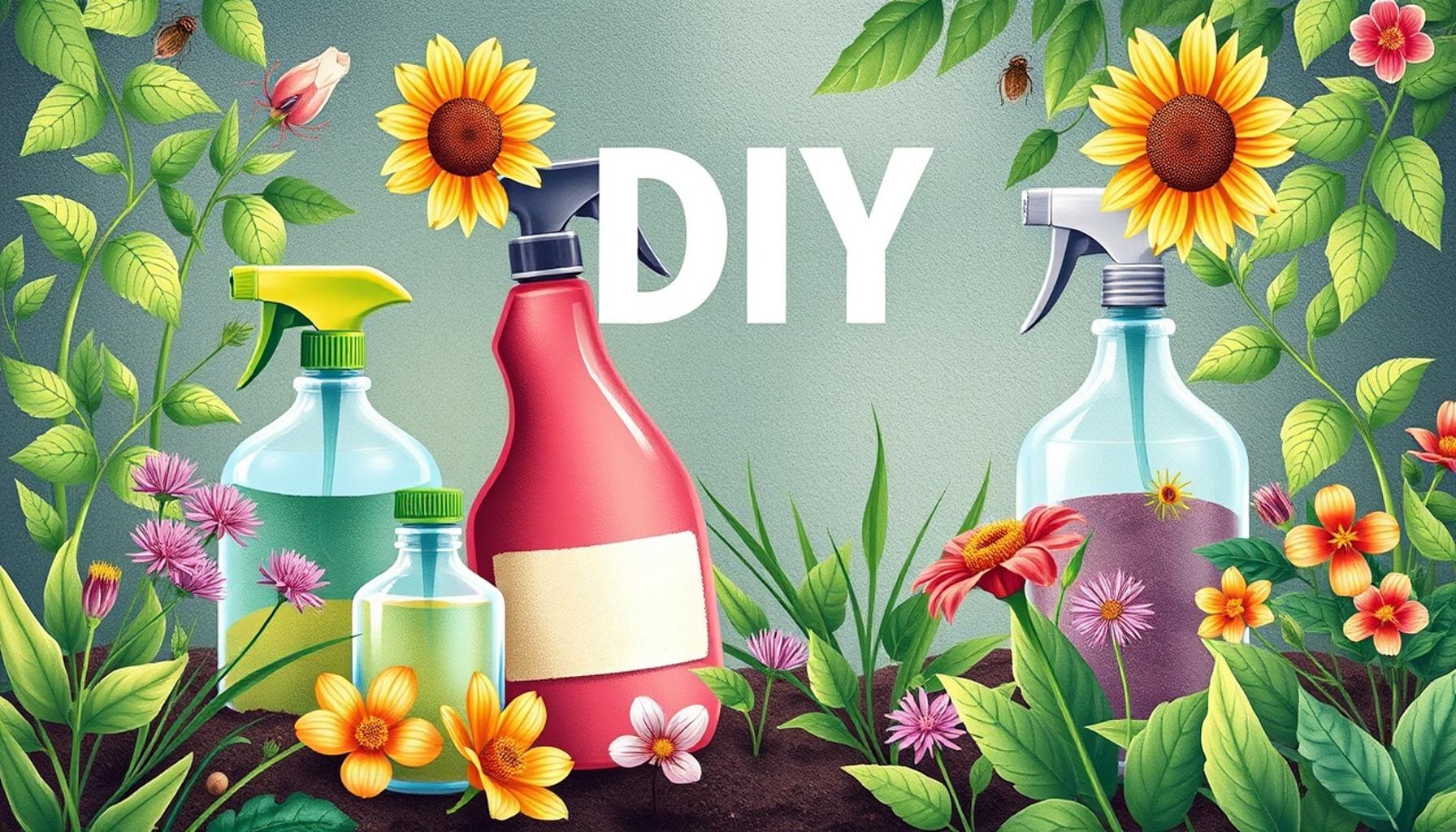
For example, a straightforward blend of water, dish soap, and vegetable oil can create an effective insecticidal soap. Just mix one tablespoon of dish soap and one tablespoon of oil with a quart of water in a spray bottle. Shake well and apply it directly to afflicted plants, targeting the undersides of leaves where pests often hide. The soap disrupts the pests’ cell membranes and helps control populations without harming beneficial insects when used correctly.
Another popular method involves the use of garlic. Garlic has potent compounds that deter various pests. To make a garlic spray, blend two to three cloves of garlic with water, strain it, and then add a few drops of dish soap. This mixture not only smells strong to pests but also can repel them effectively, keeping your plants safe.
Application Tips and Storage Solutions
When applying these sprays, timing is crucial. Early morning or late afternoon when the sun is less intense is best to prevent leaf burn. Additionally, frequent application is key; reapply every few days until you see improvement, especially after rain. Store any leftover sprays in a cool, dark place, ensuring to label them clearly for safe use later.
Embracing the Eco-Friendly Approach
Making your own organic pest sprays empowers you to control garden pests effectively. Imagine using everyday items like soap, garlic, or chili pepper to safeguard your precious plants. Not only do these natural solutions give you peace of mind, but they also help promote a healthier ecosystem in your yard. Furthermore, organic gardening fosters biodiversity, which can ultimately lead to more resilient plants.
Ready to dive into the world of organic gardening? Discover how these straightforward recipes can transform your approach to pest management while keeping your garden thriving. As you experiment with these methods, you may even find your garden flourishing with a wider variety of plants, attracting beneficial insects and birds that help maintain balance in your garden ecosystem.
DISCOVER MORE: Click here to learn about selecting the best tools
Essential Ingredients for Your Pest Spray Arsenal
Creating DIY organic pest sprays can be both fun and fulfilling, especially when you realize how simple it is to use everyday items to keep your garden safe. As you embark on this journey, it’s essential to familiarize yourself with some key ingredients that can serve as the base for your homemade concoctions.
Common Household Ingredients
Many of the most effective organic pest sprays can be formulated from items you likely already have around your home. Here is a list of staples that not only repel pests but are also safe for your plants:
- Dish Soap: This is a crucial ingredient for many pest control recipes. It acts as a surfactant, breaking down the outer layer of insect bodies and providing effective control over soft-bodied pests.
- Garlic: Beyond adding flavor to your meals, garlic contains allicin, a compound that deters many garden pests, making it an excellent ingredient for sprays.
- Hot Peppers: Capsaicin, the active component in hot peppers, can irritate pests when they come into contact with it. Making a pepper spray is an effective way to keep your garden bug-free.
- Vegetable Oil: When mixed with soap and water, vegetable oil can smother insects and prevent them from breathing.
Selecting the right combination of these ingredients can lead to effective pest management while staying true to an organic gardening philosophy. For instance, mixing equal parts of water and vegetable oil with a few drops of dish soap produces a potent spray that can control not just insects, but also fungi that may invade plants.
Popular DIY Recipes for Optimal Results
Let’s delve deeper into a couple of popular recipes that beginner gardeners can easily whip up. One fan-favorite is Neem Oil Spray. Derived from the seeds of the neem tree, this natural pesticide is particularly effective against aphids, spider mites, and whiteflies. To make it, simply mix two teaspoons of neem oil with a quart of water and a few drops of dish soap. This combination effectively disrupts the life cycle of the pests, preventing future infestations.
Another effective recipe is a Citrus Spray, using the peels of lemons or oranges. The d-limonene present in citrus peels acts as a potent insect repellent. To create this spray, boil the peels in water, strain the mixture, and then add a tablespoon of dish soap. Once cooled, you can apply it directly to the sources of pests, taking advantage of its strong scent to keep them at bay.
By utilizing these simple recipes and ingredients, you can safeguard your garden without resorting to harmful chemicals. The key is to experiment and see what works best for your unique gardening environment. With these tools at your disposal, you’re well on your way to becoming proficient in organic pest management.
DIY Organic Pest Sprays: Simple Recipes for Beginner Gardeners
Gardening is a rewarding endeavor, but it can come with its fair share of challenges, particularly when dealing with pests. Armed with the right knowledge and supplies, beginner gardeners can safeguard their plants using DIY organic pest sprays. These homemade solutions not only protect your plants but also promote a healthy garden environment. Let’s delve into some effective recipes and tips to create your very own natural pest management systems.
| Advantage | Details |
|---|---|
| Cost-effective | Creating organic pest sprays at home is cheaper than purchasing commercial products. |
| Chemical-free | Use natural ingredients to ensure your garden remains free from harmful chemicals. |
One of the simplest recipes involves using diluted soap. By mixing a few drops of dish soap with water, you can create a potent spray that disrupts the protective coating on pests like aphids and spider mites, making them vulnerable to other treatments. Another popular solution is neem oil, extracted from the seeds of the neem tree, which has been used for centuries as a natural pesticide due to its efficacy against a variety of garden pests.
Additionally, garlic and chili pepper sprays can be highly effective as both repellents and deterrents for unwanted insects. Blend garlic cloves or chili peppers with water and strain the mixture to create a spicy concoction that keeps pests at bay. These recipes are not only simple and quick to prepare but also demonstrate the practicality of using what you already have at home for a sustainable gardening solution.
As you start experimenting with your own organic pest sprays, remember to test them on a small area of your plants to gauge their effectiveness and ensure they do not cause any damage. This trial and adjustment process will allow you to refine your solutions, ensuring a thriving garden that is both beautiful and productive.
DISCOVER MORE: Click here for natural pest control tips
Maximizing Effectiveness: Application Tips and Precautions
Creating your own DIY organic pest sprays is just the first step in managing garden pests effectively. To truly maximize the benefits of your homemade mixtures, understanding how and when to apply them is crucial. Here, we’ll explore some practical tips and precautions that will help you make the most of your organic pest control efforts.
Optimal Timing for Spraying
The timing of your pest spray application can greatly influence its effectiveness. Ideally, it’s best to apply these solutions during early morning or late evening. During these cooler parts of the day, the sun is less harsh, which prevents the sprays from evaporating too quickly and allows them to penetrate the pest hiding spots more effectively.
Additionally, applying sprays right before a rainstorm may wash away the treatment, reducing its effectiveness. Check the weather forecast and choose a dry day, if possible. This consideration not only ensures that the solution adheres well to the plants but also maximizes its pest-repelling power.
Application Methods
How you apply the pest sprays can make a significant difference in their efficacy. A simple spray bottle works well for localized treatment, allowing you to target specific areas where pests are present. However, for larger gardens, you may want to invest in a garden sprayer to cover more ground efficiently. Be sure to shake the mixture well before application to ensure even distribution of ingredients.
As you apply your DIY pest sprays, focus on the undersides of leaves and the stems where pests often congregate. This practice captures more insects and allows the mixture to sit longer on the areas most affected. A gentle but thorough coverage will yield the best results.
Testing and Observations
Before applying a new spray to your entire garden, it’s wise to conduct a patch test. Apply the spray on a small section of one or two plants, and observe them over the next 24 hours for any adverse reactions. Check for signs of leaf burn or other damage. If everything looks good, you can proceed to treat the rest of your garden with confidence.
Additionally, regularly monitor your plants for pest activity after applying these sprays. Keeping a detailed log of when and where you apply your mixtures, as well as the outcomes, helps you track what works best in your specific gardening environment. It’s a nice way to tailor your organic pest management approach over time.
Storage and Shelf Life
After spending time creating your DIY organic pest sprays, you may wonder how to store any leftovers. Most sprays can be kept in a cool, dark place for about a week. However, be sure to label the containers clearly with the date created and main ingredients. When the solution begins to separate or emit an unusual odor, it’s best to dispose of it and create a fresh batch for maximum effectiveness.
Remember, the goal of using organic pest sprays is not only to eliminate existing pests but also to create a more resilient garden ecosystem. By applying these methods and regularly refining your approach, you can effectively manage pests without relying on harmful chemicals, paving the way for a thriving and healthy garden.
LEARN MORE: Click here for tips on selecting the perfect plants
Conclusion: Embrace the Power of DIY Organic Pest Sprays
In conclusion, venturing into the world of DIY organic pest sprays offers an empowering solution for beginner gardeners looking to protect their plants while fostering a healthier ecosystem. The recipes discussed throughout this article provide an accessible entry point that allows you not only to ward off pests but also to embrace sustainable gardening practices. With just a few simple ingredients and some creativity, you can cultivate a sanctuary for your plants, free from the toxic chemicals found in commercial pesticides.
As you apply these sprays, don’t forget the valuable application tips shared—from timing your sprays strategically to conducting patch tests on your plants. Monitoring the health of your garden after treating it can also enhance your understanding of which methods yield the best results. By keeping detailed records of your pest encounters and treatment outcomes, you’re not just a gardener, you’re a scientist refining your craft.
Moreover, the art of crafting organic pest solutions is not only about repelling unwanted insects but is also an opportunity to connect with nature on a deeper level. Engaging in this hands-on approach aids in creating a balanced environment where beneficial insects can thrive alongside your flora. So, gather your materials, explore the exciting recipes available, and witness how even a small effort in biodiversity can lead to a flourishing garden.
As you embark on your gardening journey, remember that patience and persistence are key. Let your interest in DIY organic pest sprays inspire you to discover new methods and recipes that can further enrich your gardening experience. With time, you will grow not only plants but also your knowledge as an organic gardener.