Watering Strategies for Healthy Plants in Your Home Garden
Understanding Your Garden’s Watering Needs
Effective watering strategies are essential to fostering a healthy, flourishing home garden. It’s a common misconception that simply adding water is enough to support plant growth. In reality, various aspects such as the type of plants you’re growing, the climate you’re in, and even the quality of your soil can drastically affect how and when you should water your garden.
Consider Plant Types
First and foremost, plant type significantly dictates watering needs. For instance, succulents and cacti are designed to thrive in arid conditions and require very little water, while leafy greens like lettuce and spinach thrive with a good amount of moisture. Familiarizing yourself with the specific requirements of each plant species in your garden ensures that you provide adequate hydration without overwatering. Grouping plants with similar needs—like keeping herbs together with other moisture-loving plants—can make your watering more efficient and effective.
Factor in Climate
Your garden’s climate also plays a critical role in determining its water requirements. Different seasons can dramatically change how much water your plants need. For example, in the hot summer months, the demand for water increases as evaporation rates rise. Conversely, during cooler seasons or rainy periods, plants may require less frequent watering. Understanding local weather patterns, along with monitoring rainfall, can help you adjust your watering schedule accordingly, ensuring that your garden receives just the right amount of moisture.
Assess Soil Quality
The quality of your soil is another crucial factor that influences watering. Sandy soils typically drain quickly and may need more frequent watering, while clay soils retain moisture but can become waterlogged if overwatered. Conducting a simple soil test can determine its texture and composition, thus allowing you to tailor your watering technique. For example, adding organic matter like compost can enhance soil structure, improving moisture retention and drainage, thereby optimizing your watering routine.
Timing and Technique Matter
When and how you water can make a significant difference in plant health. Watering early in the morning is often recommended, as this allows plants to absorb moisture before the sun’s heat causes evaporation. Conversely, watering late in the evening can leave plants vulnerable to diseases caused by excess moisture lingering overnight. Moreover, practicing deep, infrequent watering encourages plants to develop deeper root systems, resulting in stronger, more resilient plants.
Through understanding your garden’s unique needs—based on plant type, climate, and soil quality—you can cultivate a thriving green space. These watering strategies not only promote healthy growth but also promote sustainability by conserving water, making them essential for any home gardener. With a bit of knowledge and attentiveness, you’ll be well on your way to enjoying a lush and productive home garden.
DIVE DEEPER: Click here to learn about Integrated Pest Management
Establishing a Watering Routine
To ensure healthy plant growth in your home garden, developing a consistent watering routine is vital. This routine not only helps you remember when to water but also allows your plants to adapt and thrive. The key is to find a balance that meets your plants’ needs without wasting precious water resources. Here are some strategies to consider:
Utilizing a Watering Schedule
Creating a watering schedule can keep your garden in check. Observing the weather and following seasonal changes will help you gauge how often and how much to water. On average, most garden plants require about 1 to 2 inches of water per week, but this can vary. Factors such as plant type, soil moisture levels, and recent weather conditions should influence your watering frequency. To gauge soil moisture, you can use the simple “finger test” — stick your finger about an inch into the soil; if it feels dry, it’s time to water.
Embrace Efficient Watering Methods
Incorporating efficient watering methods can significantly benefit your garden. Some popular techniques include:
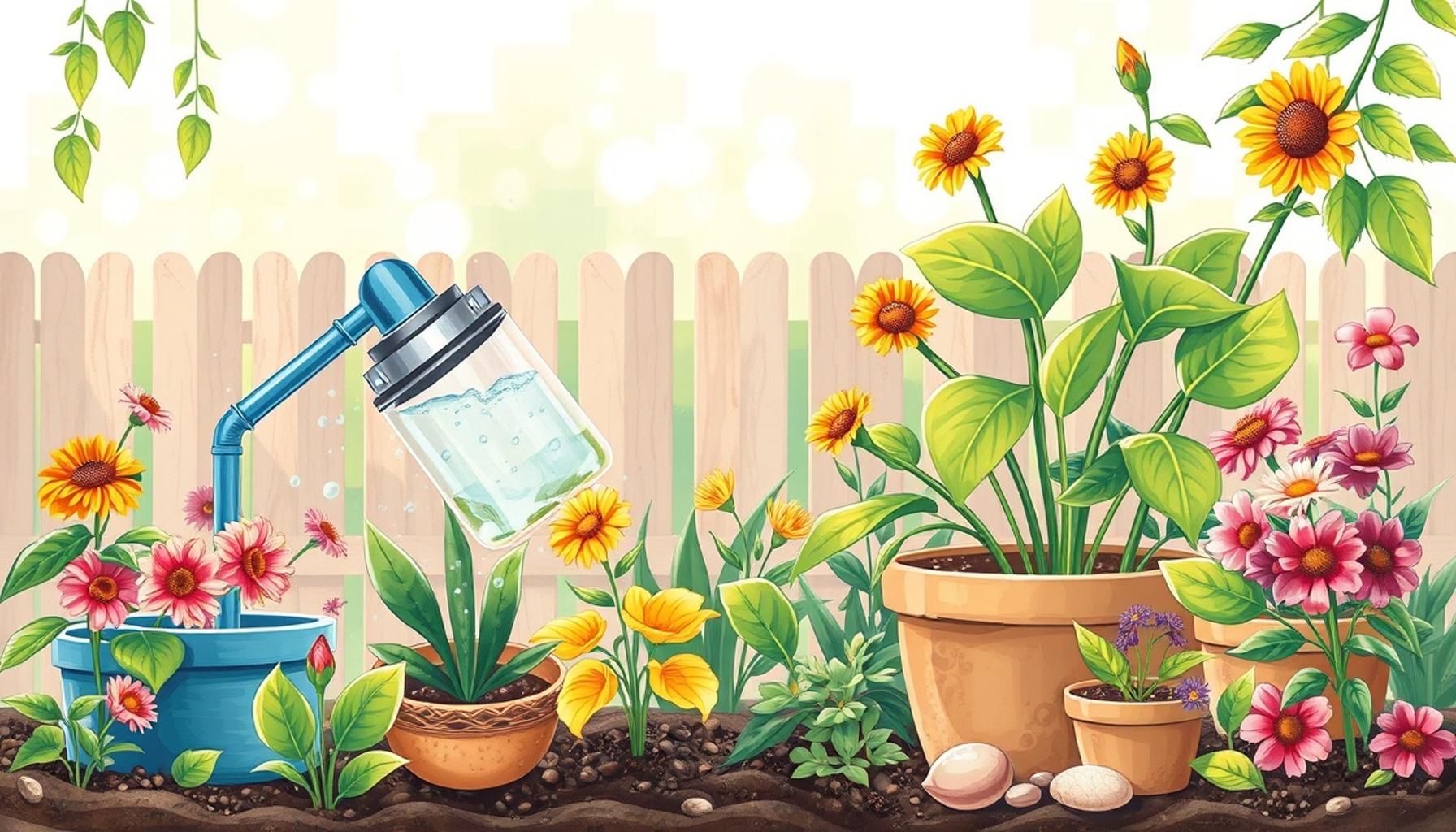
- Drip Irrigation: This system delivers water directly to the plant roots, ensuring consistent moisture while minimizing evaporation and runoff. Ideal for vegetable gardens and flower beds, drip irrigation can save water while maximizing efficiency.
- Soaker Hoses: Similar to drip irrigation, soaker hoses seep water directly into the soil. They are particularly effective for long rows of plants, allowing proper hydration without excessive watering.
- Rain Barrels: Collecting rainwater is an eco-friendly solution that allows you to save money on water bills while nurturing your plants. Simple to install, a rain barrel can provide abundant water during dry spells.
Pay Attention to Watering Techniques
The way you water is just as crucial as how much water you provide. Implementing proper watering techniques can improve plant health:
- Deep Watering: Instead of frequent shallow watering, aim to water deeply and less often. This encourages deeper root growth, making plants more drought-resistant.
- Watering at the Base: Directing water at the base of plants rather than spraying leaves minimizes diseases associated with excess moisture on foliage.
- Mulching: Adding a layer of mulch around your plants helps retain soil moisture and reduces the frequency of watering needed.
Establishing a thoughtful watering routine and employing efficient methods will dramatically impact the health and vitality of your plants. As you develop a better understanding of your garden’s unique needs, you can refine your strategies to create an oasis of greenery at home. By remaining attentive and adaptable to changes in weather and plant growth, you position yourself for success in becoming a proficient home gardener.
| Watering Techniques | Benefits to Plants |
|---|---|
| Drip Irrigation | Delivers water directly to the roots, reducing evaporation and water waste. |
| Soaker Hoses | Provides steady moisture to the soil, promoting deep root growth and reducing fungal diseases. |
| Watering Cans | Allows precision in delivering water, minimizing the risk of over-saturation. |
| Mulching Techniques | Helps retain moisture, reduces weeds, and improves soil quality. |
Incorporating effective watering strategies is vital for maintaining the health of your home garden. Techniques such as drip irrigation not only ensure water is delivered right where it’s most needed—at the roots—but also help conserve water by reducing unnecessary evaporation. Similarly, soaker hoses allow for a consistent moisture level in the soil, which is crucial for preventing root rot and promoting robust plant growth. One should not overlook the importance of using a watering can for targeted watering, especially when dealing with delicate seedlings or specific areas in your garden. Additionally, implementing mulching strategies can significantly assist in maintaining soil moisture and combatting weeds, further enhancing your garden’s health and sustainability. By adopting these diverse watering techniques, you’ll be equipped to foster an environment where healthy plants can thrive, yielding a lush and vibrant home garden. Exploring these methods can unveil innovative ways to keep plants flourishing in any garden space.
DISCOVER MORE: Click here for essential tips on soil preparation
Understanding Plant Needs and Environmental Factors
To cultivate a thriving home garden, it’s essential to gain a deeper understanding of your plants’ specific needs as well as the environmental factors that affect them. Every plant species has its unique requirements for water, and recognizing these can make a significant difference in your gardening success. Additionally, observing your garden’s microclimate will allow you to tailor your watering strategies effectively. Here are several considerations to keep in mind:
Identifying Plant Types and Their Watering Needs
Different plant species have varying moisture requirements. For example, succulents and <strong(cacti thrive in arid conditions and require minimal watering, whereas ferns and tropical plants need consistently moist soil to flourish. Familiarizing yourself with the specific water needs of your plants allows for targeted watering that minimizes waste. Utilize plant care apps or gardening guides that provide information on the watering requirements for specific types of plants. This will help you manage your watering schedule more effectively.
Soil Composition and Water Retention
The composition of your soil plays a crucial role in how well it retains moisture. Sandy soils drain quickly and may require more frequent watering, while clay soils tend to retain water longer but can become waterlogged, leading to root rot. Regularly amend your garden soil with organic matter such as compost, which enhances its structure and improves moisture retention. Conducting a simple soil test can also help you determine its pH level and nutrient composition, both of which influence plant health and watering needs.
Seasonal Considerations and Climate Awareness
Your garden’s location within the United States will dictate varying weather patterns throughout the year. For instance, the hot and dry summers common in Southern states necessitate more frequent watering compared to the cooler, damp conditions in the Pacific Northwest. Keeping an eye on seasonal shifts is fundamental to adjusting your watering strategy. Seasonal events, such as early spring rain or late summer droughts, provide valuable indicators for altering your routine. Monitoring local rainfall forecasts can save you from unnecessary watering and help conserve water resources.
Signs of Overwatering and Underwatering
Even with the best watering strategy, it’s common to misjudge the needs of your plants. Signs of underwatering include wilting, dry soil, and leaf discoloration. Conversely, overwatering may manifest as yellowing leaves, root rot, or moldy soil. By observing these symptoms, you can adjust your techniques to ensure your plants receive the right amount of hydration. Keeping a garden journal to track watering habits and plant responses can provide insights that make it easier to navigate the challenges of home gardening.
Ultimately, developing a comprehensive understanding of your plants’ diverse needs, soil conditions, and environmental factors will elevate your gardening to new heights. By tailoring your watering strategies to these aspects, you cultivate not only a bountiful garden but also a rewarding hobby that flourishes over time.
DISCOVER MORE: Click here to learn about the best tools
Conclusion: Mastering Watering Strategies for Optimal Plant Health
In summary, effective watering strategies are fundamental to maintaining a healthy home garden. By recognizing the unique hydrating requirements of different plant types, taking into account the soil composition and its moisture retention capabilities, and being mindful of seasonal climate shifts, you can dramatically improve your gardening outcomes. A well-executed watering plan not only supports plant growth but also conserves water—a vital resource particularly in regions prone to drought.
Additionally, keen observation is key. Being aware of the signs of overwatering and underwatering equips you with the knowledge to promptly adjust your methods, fostering a more responsive and nurturing gardening environment. Keep in mind that no two gardens are alike; hence, monitoring your plants and adapting your strategies accordingly will lead to greater gardening success.
For those looking to deepen their gardening knowledge, exploring local gardening workshops or connecting with community garden groups can offer invaluable insights and practical tips tailored to your specific climate and soil conditions. In this journey, each plant provides a unique lesson—embracing these challenges can lead to a flourishing garden that brings beauty and joy to your home. Ultimately, by elevating your understanding and refining your watering techniques, you’re not just tending to plants; you’re cultivating a vibrant ecosystem that nourishes both nature and yourself.