Potted Fruits: How to Choose the Best Varieties for Growing in Small Spaces
Maximizing Your Urban Garden
In today’s fast-paced world, the allure of homegrown produce continues to attract many urban dwellers seeking to reconnect with nature. Despite the constraints of city living, the possibility of growing fresh fruit in potted arrangements on balconies or patios opens a new realm of opportunities. With a thoughtful approach and a few guidelines, anyone can cultivate a thriving garden in limited spaces.
When selecting potted fruits, keep in mind essential factors that can greatly influence your gardening success:
- Climate Adaptability: It’s crucial to choose varieties that are well-adapted to your local climate and hardiness zone. For instance, many areas in the United States fall within USDA Hardiness Zones 5-10, making fruits like figs and pomegranates viable options in warmer climates, while apple trees thrive in cooler regions.
- Growth Size: Look for compact or dwarf varieties that are specifically bred for container gardening. Examples include the Garden Prince Apricot and Brazos Blackberries, which produce substantial harvests while staying manageable in size.
- Fruit Yield: Choosing high-yield plants ensures that your efforts pay off. For example, strawberry plants can produce fruit within a few months and continue yielding for several seasons, which is ideal for the impatient urban gardener.
Some of the most popular and easily manageable options for small spaces include:
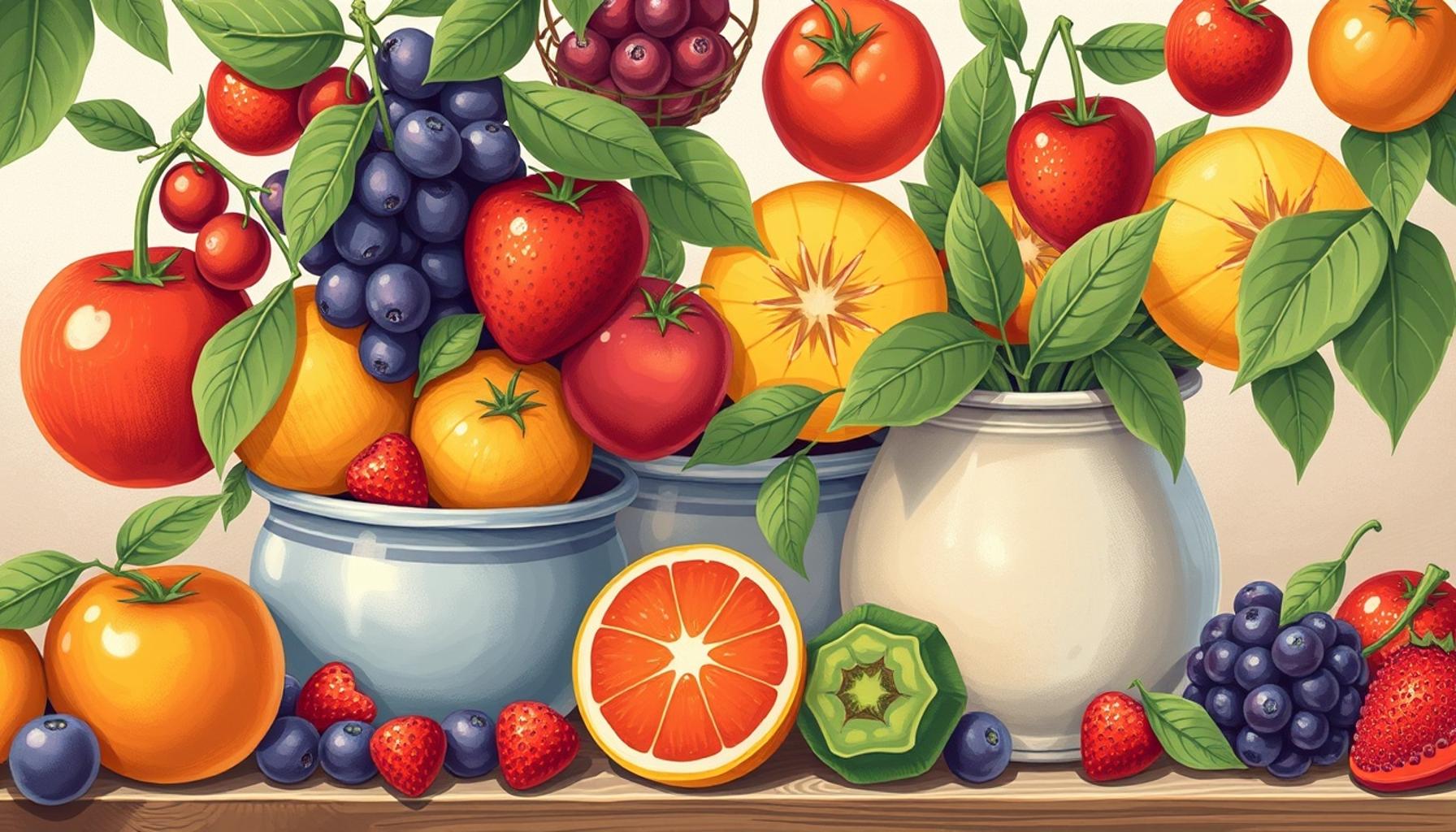
- Strawberries: These delightful fruits are not only a treat to grow but also yield multiple harvests per season. They’ve even been known to grow well in vertical planters, optimizing space usage.
- Blueberries: Compact blueberry bushes offer the dual benefit of lovely foliage and delicious berries. Best of all, they can thrive in large pots as long as you provide the acidic soil they crave.
- Citrus Trees: Varieties like lemon and lime can be successfully grown in pots, bringing a bright splash of color and zesty flavor right to your urban retreat. Dwarf citrus trees can yield fruits in just a few years.
By concentrating on space-saving options and paying attention to the specific needs of these plants, you can transform any balcony or patio into a productive green oasis. Consider the joys of gardening, from the enjoyment of nurturing your plants to the satisfaction of harvesting your own fruits. Perhaps you’ll discover the added benefits of these activities—stress relief, enhancing your home aesthetic, and improving your diet. Let’s explore the art of potted fruit cultivation and uncover the best varieties suited to your unique urban space.
DON’T MISS: Click here for tips on identifying garden pests
Choosing the Right Potted Fruits for Your Space
When it comes to growing potted fruits in your small space, the options can be as diverse as your gardening aspirations. The key to success lies in understanding the unique requirements of each fruit variety and ensuring they are compatible with the constraints of urban gardening. To start your journey, consider the following aspects to enhance your experience and yield:
- Light Requirements: Most fruiting plants need at least six to eight hours of direct sunlight daily. Assess the sunlight exposure of your balcony or patio to determine which fruits are likely to thrive. Varieties such as strawberries and citrus trees flourish under ample sunlight, while others may tolerate partial shade.
- Watering Needs: Potted fruits generally require consistent moisture, but overwatering can harm or kill the plants. It’s essential to evaluate your watering habits and adjust based on the needs of specific fruits. For instance, blueberries prefer consistently moist soil with good drainage, while succulents and certain drought-tolerant options may require less frequent watering.
- Soil Type: Utilizing the right soil blend is critical for fruit production. Many fruits thrive in well-drained, nutrient-rich soils. Consider using a mix of potting soil with compost to enrich your growing medium. For acid-loving plants like blueberries, an acidic potting mix is vital to mimic their natural habitat.
In addition to these crucial considerations, the following potted fruit varieties stand out for their ability to thrive in small spaces:
- Raspberries: These vibrant berries are perfect for container gardening. Dwarf varieties like the Sunshine Blue Raspberry are compact, produce delicious fruit, and can be trained on trellises, effectively maximizing vertical space.
- Cherry Trees: Look for low-growing varieties like the Stella Cherry tree, which can flourish in pots and yield sweet cherries in just a couple of years. They also provide attractive spring blooms, contributing to the aesthetic of your garden.
- Fig Trees: Figs, particularly the Petite Negra or Little Jean, are among the best choices for container growth. These trees are compact, drought-tolerant, and thrive in pots, offering figs that are packed with flavor.
By carefully selecting potted fruits that meet your specific space, light, and soil needs, you embark on a rewarding journey towards urban gardening. Not only will you enjoy the satisfaction of nurturing your own plants, but you will also reap the benefits of fresh produce right at your fingertips. With various options and a little research, cultivating your own potted fruit garden can become a thrilling and fulfilling endeavor, no matter the size of your urban space.
When selecting potted fruits for small spaces, consider the variety’s growth habits and overall size. Dwarf fruit trees, such as the miniature lemon tree or fig tree, are ideal since they are specifically bred to thrive in containers. They typically reach a manageable height of 2-4 feet, making them perfect for patios or balconies.
Additionally, berries, such as strawberries and raspberries, are excellent options since they can be grown in hanging baskets or vertical planters, maximizing space efficiently. These varieties not only produce delicious fruits but also add vibrant color to your garden.
In terms of environmental adaptability, choose varieties that can withstand the local climate conditions. For example, if you live in a warmer region, look for heat-tolerant varieties like Blackberry or Blueberry plants, which thrive in sunny spots and can be moved indoors during harsh weather.
Finally, always consider your gardening experience level. If you’re a beginner, opt for easy-to-grow fruits such as cherry tomatoes, which provide rewarding yields with minimal care. For the more experienced gardener, try your hand at growing exotic fruits like dragon fruit to challenge your skills and enhance your gardening repertoire.
| Fruit Variety | Key Features |
|---|---|
| Dwarf Lemon Trees | Compact, fragrant, and produces fruits in small spaces. |
| Strawberries | Can be grown in vertical gardens, providing high yield. |
| Exotic Dragon Fruit | Unique flavor and striking appearance, suitable for adventurous growers. |
Understanding these key aspects will undoubtedly elevate your gardening experience in compact environments, letting you enjoy the fruits of your labor even in limited spaces.
LEARN MORE: Click here for essential tips on soil preparation
Best Practices for Growing Potted Fruits
To ensure a flourishing potted fruit garden in your limited space, it’s essential to adopt best practices that align with the specific needs of your chosen varieties. While selecting the right fruits is crucial, equally important is how you care for them as they grow. Here are some key practices to keep your garden not only thriving but also visually appealing:
- Choosing the Right Containers: The size and material of your containers can greatly affect the health of your potted fruit plants. Look for pots that offer good drainage—this can prevent root rot—a common problem in container gardening. Terracotta pots are popular for their breathability, allowing moisture to evaporate and roots to breathe, while plastic containers are lightweight and retain moisture longer.
- Fertilization: Potted fruits have limited soil and nutrients compared to in-ground plants, so regular fertilization is necessary. Use a balanced fertilizer formulated for fruiting plants to help them flourish. Slow-release fertilizers every few months can provide a steady supply of nutrients, particularly during the growing season and while the plants are fruiting.
- Pruning for Health and Production: Regular pruning is vital in a potted fruit garden. It encourages airflow, reduces disease risk, and can enhance productivity. For instance, when growing strawberries, remove older leaves to make way for new growth, ensuring a bountiful yield. Similarly, pruning back overgrown branches of fig trees or cherry trees can increase sunlight penetration and fruit quality.
Popular Fruit Varieties for Container Gardening
While the initial list highlighted various fruits, the choices are vast beyond those mentioned. Here are a few additional potted fruit options that are not only manageable in size but also offer unique flavors:
- Peach Trees: Look for dwarf varieties such as the Garden Gold Peach. They typically grow between 4-6 feet tall and produce juicy, delicious peaches in containers, making them suitable for small urban gardens.
- Melons: For those who love sweet fruits, consider growing canteloupe or mini watermelons like the Sugar Baby. These can be trained to grow vertically, taking up less ground space while providing a refreshing treat in the warmer months.
- Blackberries: With compact varieties such as Tayberry that can be trained onto a trellis or allowed to cascade out of a hanging basket, blackberries add both flavor and lush greenery to your potted garden.
As you explore the world of potted fruits, remember that gardening is an art as much as a science. Every gardener’s experience will be unique based on local climate conditions and specific growing techniques. Don’t hesitate to seek advice from local nurseries or gardening communities, especially those focused on urban gardening. With care, patience, and a bit of experimentation, your potted fruit venture can transform your small living space into a vibrant edibles garden, enriching not just your home but also your culinary experiences.
DISCOVER MORE: Click here for essential tips on pest identification
Conclusion
In a world where urban gardening is thriving, potted fruits emerge as a splendid solution for those with limited space yet a desire for fresh, home-grown produce. By selecting the best varieties—such as dwarf peach trees, flavorful melons, and compact berry bushes—gardeners can enjoy the satisfaction of harvesting their own fruit, even from a balcony or small patio. Understanding the unique needs of these plants, including optimal container choices, proper fertilization, and essential pruning, ensures that every potted fruit garden is both productive and visually pleasing.
Moreover, gardening is a journey of discovery. Each gardener’s experience is shaped by local climate, available resources, and personal preferences. Engaging with local communities and seeking advice from knowledgeable sources can enhance your gardening skills and expand your selection of potential varieties. In addition, leveraging innovative growing techniques—like vertical gardening or using hanging pots—can maximize your space and yield.
Ultimately, the joy of nurturing potted fruit plants goes beyond mere aesthetics; it’s about cultivating a connection to nature and enhancing your culinary experiences with delicious, ripe fruits. So as you set forth in your gardening adventure, remember that with dedication and creativity, you can transform any small space into a lush oasis of flavor and delight. Embrace the charm of potted fruits and watch your small garden flourish, bringing a taste of the outdoors into your home.