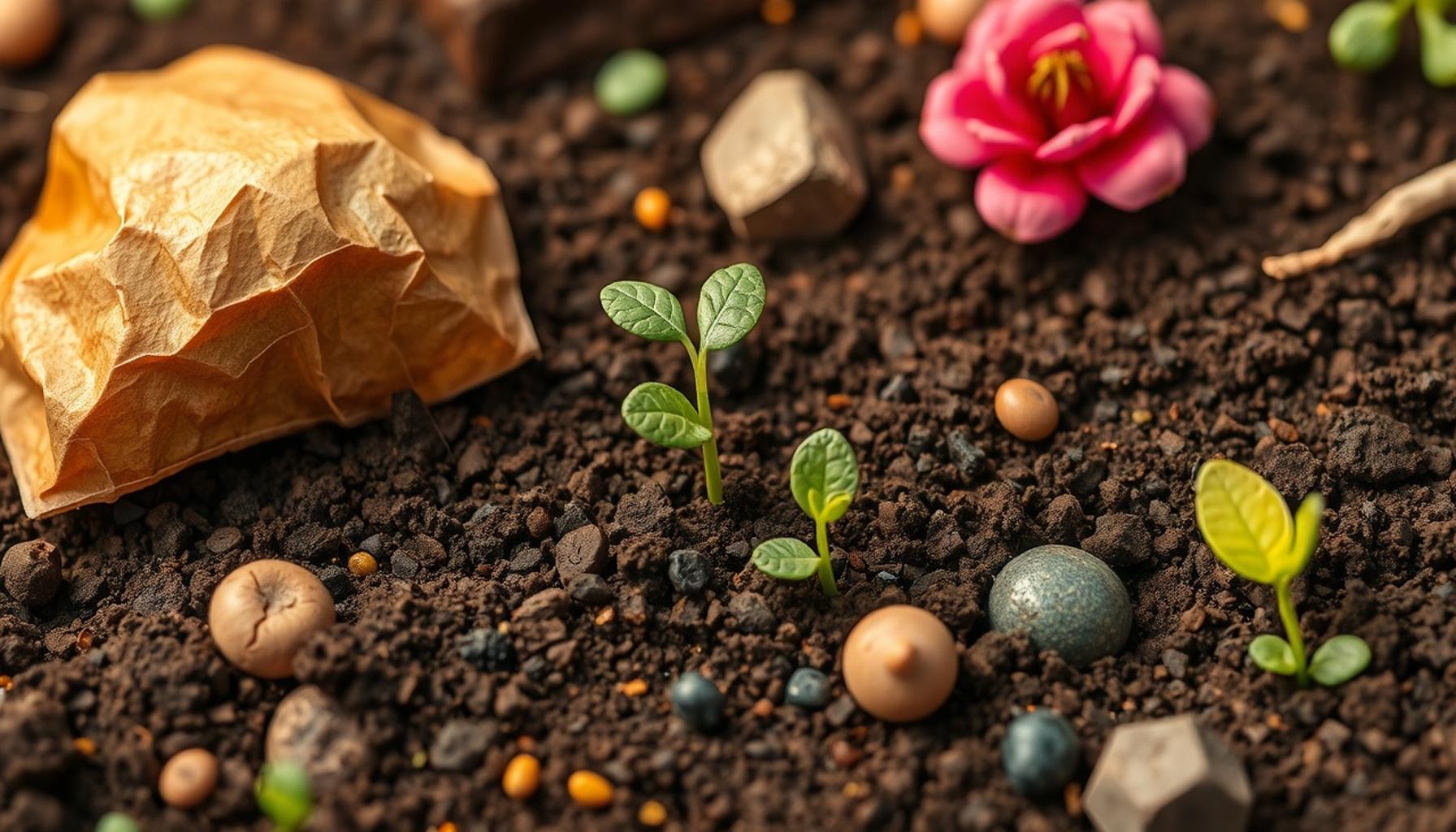
The Importance of Soil Preparation for a Healthy Garden
The Importance of Soil Preparation in Gardening
Soil preparation is the backbone of successful gardening, yet many novice and even experienced gardeners often underestimate its significance. It acts as a preliminary phase that lays the foundation for nurturing healthy plants, inspiring vibrant blooms, and ensuring bountiful harvests. By investing time and resources in soil preparation, gardeners can cultivate a thriving ecosystem that yields impressive results throughout the growing season.
Nutrient Accessibility
One of the primary reasons proper soil preparation is crucial is that it enhances nutrient accessibility. Plants require various nutrients—including nitrogen, phosphorus, potassium, and trace minerals—for growth and development. Healthy soil, teeming with organic matter, allows these essential nutrients to be readily available for absorption by root systems. Gardeners may consider adding compost, well-rotted manure, or organic fertilizers to enrich the soil. For instance, a study by the USDA found that amendment with organic matter could improve nutrient content, leading to significant increases in crop yield, particularly in vegetable gardens.
Water Drainage
Another critical aspect of well-prepared soil is its ability to support optimal water drainage and retention. Soil that is too compacted can lead to poor drainage, resulting in waterlogged roots and fostering conditions for disease such as root rot. Conversely, sandy soils may drain water too quickly, depriving plants of much-needed moisture. A balanced mix of sand, silt, and clay improves soil structure and promotes effective hydration. Techniques like double digging or raised bed gardening can also enhance drainage, especially in areas prone to heavy rainfall.
Soil Structure and Root Development
Soil texture and aeration are vital for soil structure, which supports healthy root development. Well-aerated soil allows plant roots to breathe and absorb oxygen, essential for their growth. Methods like tilling, while practiced often, should be balanced with practices such as cover cropping and mulching, which can improve soil biology and preserve soil structure. The National Sustainable Agriculture Coalition emphasizes that healthy soil ecosystems facilitate root expansion and enhance nutrient uptake, essential for overall plant vitality.
The Benefits of Prepared Soil
Investing in thorough soil preparation carries numerous benefits. For instance, improved microbial activity creates a thriving ecosystem that helps with decomposition and nutrient cycling. A diverse community of soil organisms can ward off pathogens and contribute to reduced pest issues, minimizing the need for chemical pesticides. Furthermore, healthy soil bolsters plant resilience against diseases and environmental stressors, such as drought or extreme temperatures.
Aligning with Sustainable Techniques in the U.S.
In the context of evolving gardening trends in the United States, understanding the importance of soil preparation means more than just better harvests; it also aligns with sustainable practices. More gardeners are shifting towards organic gardening methodologies, emphasizing the health of both soil and plants. Techniques such as crop rotation and permaculture not only sustain the garden but positively affect the broader environment. As urban gardening continues to rise, particularly in cities like Portland and Austin, effective soil preparation becomes a critical knowledge area for those looking to contribute to their local ecosystems.
As the journey toward a lush garden begins beneath the surface, getting soil preparation right from the start will make all the difference in cultivation outcomes. By prioritizing proper soil techniques, gardeners of all levels can discover the transformative magic held in the very earth itself.
DISCOVER MORE: Click here to uncover the best plants for your garden
Unlocking Soil Potential: Essential Steps for Preparation
When it comes to gardening success, understanding the intricacies of soil preparation is akin to laying the groundwork for a sturdy building. Just as architects rely on blueprints for stability, gardeners depend on a well-prepared soil foundation that supports robust plant life. A thoughtful approach to soil preparation not only enhances plant health but also leads to a flourishing garden that thrives under various conditions.
The Role of Organic Matter
At the heart of effective soil preparation lies the incorporation of organic matter. This essential component enriches soil through improved nutrient content, microbial activity, and moisture retention. By adding materials such as compost, leaf mold, or aged manure, gardeners can create a nutrient-rich environment that fosters healthy growth. According to the National Resources Conservation Service (NRCS), the presence of organic matter can enhance soil’s water-holding capacity by up to 20%, which proves indispensable, especially during dry spells.
Additionally, organic matter promotes better soil structure. When soil is structured well, it allows for enhanced aeration and prevents compaction, which is detrimental to root growth. As organic materials break down, they create aggregates, which facilitate pockets of air and improve drainage—one of the key factors for a thriving garden.
Soil Testing: A Step Toward Informed Gardening
Before diving into soil preparation, it’s vital to understand soil testing. Conducting a soil test helps determine pH levels, nutrient deficiencies, and the presence of contaminants. This knowledge empowers gardeners to make informed amendments and adjustments, ensuring the correct balance of elements for optimal plant growth. Local agricultural extension offices often provide soil testing services, helping gardeners acquire insights tailored to their specific region.
- pH Level: Influences nutrient availability and plant health.
- Nutrient Status: Identifies essential elements needed for plants, such as nitrogen and phosphorus.
- Contaminants: Checks for harmful substances that can impede plant growth.
The Impact of Compaction
Soil compaction is a common issue that can severely affect garden performance. High foot traffic, heavy equipment use, or even persistent rainfall can compress soil particles, leading to a drastic reduction in aeration and drainage. Compacted soil restricts root growth and limits access to vital nutrients and water. To alleviate compaction, gardeners can utilize strategies such as:
- Adding Soil Amendments: Incorporating organic matter boosts soil structure, reducing compaction.
- Aeration Techniques: Using a garden fork or aerator can help improve soil porosity.
- Designating Pathways: Establishing specific walking paths reduces overall soil compression.
Understanding and addressing soil compaction is crucial for maintaining healthy conditions for root systems and preventing detrimental waterlogging. In the following sections, we will explore more specific techniques and the benefits of preparing soil to cultivate a garden that flourishes. This methodical approach offers a roadmap to harness the untapped potential lying within the soil, leading to not only better yields but also sustainable gardening practices for years to come.
The Importance of Soil Preparation for a Healthy Garden
Soil preparation is a crucial step that cannot be overlooked when it comes to cultivating a healthy garden. Understanding the soil’s composition and structure lays the groundwork for productive gardening. Properly prepared soil can significantly enhance plant growth, nutrient availability, and overall garden health.
Advantages of Soil Preparation
| Category 1 | Category 2 |
|---|---|
| Soil Fertility | Increased nutrient retention leads to improved health for vegetables and flowers. |
| Water Management | Enhanced drainage prevents waterlogging and promotes aeration for root development. |
Incorporating practices such as tilling, adding organic matter, and testing soil pH can ensure that your garden flourishes. The preparation phase allows gardeners to amend the soil with natural fertilizers and improve its structure, encouraging healthy root systems. Furthermore, understanding how to balance these factors can lead to greater resilience against pests and diseases, making your garden not just productive, but sustainable.Additionally, well-prepared soil creates an ideal environment for beneficial microorganisms that can aid in nutrient cycling and disease suppression. Implementing these soil preparation techniques not only supports plant growth but also contributes to the overall ecological balance of your garden. Enthusiasts and novice gardeners alike are encouraged to delve deeper into the science of soil preparation to unlock the full potential of their green spaces.
DISCOVER MORE: Click here to learn about the best vegetables for your small garden
Techniques for Effective Soil Preparation
Once the vital components of organic matter and soil testing are understood, the next step involves exploring various techniques for effective soil preparation. These methods not only optimize the soil environment but also enhance the total gardening experience, resulting in healthier plants and more productive gardens.
Layering and Mulching
One of the most beneficial methods in soil preparation is layering, a technique that involves adding different types of organic materials to the soil in a strategic manner. This practice not only conserves moisture but also encourages the presence of beneficial microorganisms. For instance, starting with a base of cardboard or newspaper can help suppress weeds while simultaneously decomposing to enrich the soil below.
Following this base layer, a combination of compost, shredded leaves, and grass clippings can be layered on top. This not only adds nutrients but also enhances soil structure as it breaks down, allowing for better aeration. Mulching, in particular, acts as a protective barrier against moisture loss and temperature fluctuation, ensuring that plants have a stable growing environment.
Cover Crops: The Unsung Heroes
Utilizing cover crops is a proactive way to boost soil health during the off-season. These crops—such as clover, vetch, or rye—are grown specifically to enhance soil fertility, prevent erosion, and suppress weeds. They help to fix nitrogen in the soil, enriching it naturally, which is especially beneficial in nutrient-depleted soils.
Moreover, when these cover crops are tilled back into the soil, they decompose and release vital nutrients, enhancing organic matter levels. This practice not only prepares the soil for future planting but also contributes to long-term soil health. Data from the Sustainable Agriculture Research and Education (SARE) program suggests that farms implementing cover crops can see a yield increase of up to 15%, showcasing the impact of good soil preparation.
Effective Tilling Techniques
While tilling can improve soil aeration and mix organic matter, it’s important to adopt effective tilling techniques that minimize disturbance to soil structure and organisms. Techniques like minimum tillage or no-till farming are gaining traction among gardeners and farmers alike for their ability to preserve soil integrity. By avoiding deep tillage, gardeners can minimize damage to soil aggregates and microbial habitats.
Instead of traditional deep tilling, consider using a broad fork, which loosens the soil without turning it over completely, preserving vital nutrients and beneficial organisms. The method also retains the soil’s carbon content, which is essential for a balanced ecosystem. Combining this with a regular schedule of adding organic amendments like compost will maintain and enhance soil health over time.
Understanding Soil Texture and Composition
Before diving deep into any preparation efforts, understanding soil texture and composition is crucial. Soil types, such as sandy, loamy, or clay, significantly affect water retention, drainage, and nutrient availability. For instance, sandy soils tend to drain quickly but may require more frequent watering as they don’t retain moisture well. On the other hand, clay soils can retain more water, but they often pose challenges with drainage.
By identifying the existing soil type, gardeners can tailor their amendments and practices accordingly. For example, adding gypsum can help break up compact clay, whereas adding organic matter such as compost can enhance sandy soils, improving their moisture retention capabilities. These adaptations ensure that the soil is ideal for planting and can support the garden’s diverse needs.
By employing these techniques and maintaining an ongoing commitment to soil preparation, any gardener can unlock the full potential of their soil. The collective benefits—enhanced fertility, improved structure, and optimized moisture retention—create a thriving ecosystem that not only supports plant life but also fosters a sustainable approach to gardening.
FOR MORE TIPS: Click here to discover the essential tools you’ll need
Conclusion
In summary, the significance of soil preparation cannot be overstated when it comes to cultivating a healthy garden. As we have explored, the techniques of layering, mulching, cover cropping, and effective tilling not only enhance soil fertility but also create a thriving ecosystem that fosters plant growth. Understanding soil texture and composition plays a crucial role in tailoring gardening practices to specific conditions, ensuring optimal moisture retention and nutrient availability.
Moreover, the commitment to soil health promotes sustainability and environmental responsibility. By investing time and effort into soil preparation, gardeners can witness a marked improvement in crop yield and overall garden productivity. For instance, leveraging data from practices such as cover cropping can yield notable benefits, enhancing soil dynamics and reducing the need for chemical inputs.
Ultimately, improving soil health lays the groundwork for a vibrant garden that is resilient to pests and diseases, allowing plants to flourish with minimal intervention. As our understanding of soil science advances, integrating these practices is essential for gardeners in the United States and beyond, encouraging exploration and innovation in cultivating their green spaces.
As you embark on your gardening journey, remember that healthy soil is the foundation for a successful garden. Invest in your soil today, and you will reap the rewards of a thriving garden for seasons to come.