How to Choose Indoor Plants for Beginners: Tips and Tricks
Understanding Indoor Gardening Basics
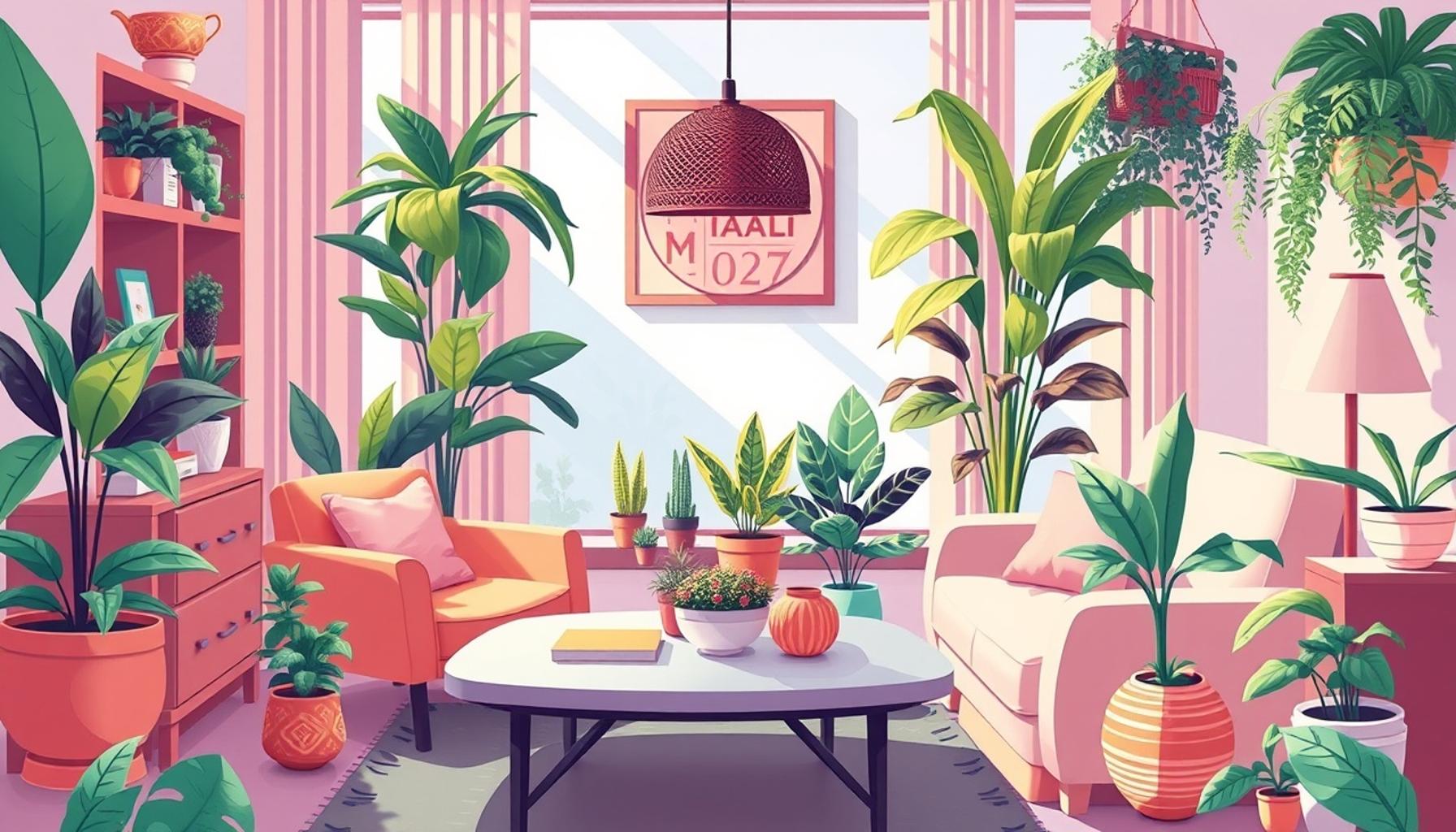
Bringing a touch of nature indoors can transform your living space, offering both aesthetic appeal and health benefits. From purifying the air to boosting your mood, indoor plants serve a spectrum of functions that enhance your environment. However, for those new to the world of indoor gardening, the process can seem overwhelming. What should you choose? Where do you even start? By understanding some foundational elements, you can make informed and enjoyable decisions.
One of the most crucial factors to consider is light conditions. Determine how much sunlight your space receives throughout the day—this includes both direct and indirect sunlight. For example, if your living room has large windows that face south, it likely receives ample light, making it suitable for sun-loving plants like succulents. Conversely, if you have a room with limited windows, you may want to select plants that thrive in low-light situations, such as the hardy Snake Plant or the serene Pothos.
Equally important is the maintenance level of the plants you choose. Beginners might find joy in the resilience of low-maintenance varieties that can tolerate occasional neglect, such as the Spider Plant or ZZ Plant. On the other hand, if you are eager to dive into a more hands-on experience, consider plants like orchids, which require specific watering techniques and humidity levels. Reflect on your schedule and the level of commitment you can realistically provide before making your selections.
Additionally, take into account any allergies that you or your loved ones might have. Some plants, such as peace lilies, can be harmful to pets, while others may trigger allergic reactions in sensitive individuals. Opting for hypoallergenic varieties like the rubber tree or snake plant can help ensure a safe indoor environment.
Popular Choices for Beginners
Once you’ve assessed your space and needs, it’s time to choose your plants. Among the most popular choices for indoor plant enthusiasts are:
- Snake Plant: This hardy plant not only tolerates low light but also helps filter indoor air pollutants, making it a perfect addition to bedrooms.
- Pothos: Known for its cascading vines, Pothos thrives in low light and can survive with infrequent watering, making it an ideal choice for busy households.
- Spider Plant: Featuring long, arching leaves, this plant is easy to propagate and adds a playful touch to your home decor. It’s also renowned for its air-purifying characteristics.
Diving into the world of indoor gardening can open a new realm of relaxation and achievement. As you navigate through plant selections and their care routines, you will not only beautify your spaces but also create a peaceful sanctuary in your home. This guide aims to equip you with the essential knowledge needed to foster a thriving indoor garden. The journey has just begun, and it invites you to discover the fascinating world of plant care that awaits you!
DISCOVER MORE: Click here for essential maintenance tips
Assessing Your Space and Needs
Before you start filling your home with greenery, it’s important to conduct a thorough assessment of your space and your personal preferences. This foundational step will greatly ease the selection process and enhance your success as a beginner indoor gardener. Begin by evaluating the environmental factors that will influence the health of your plants.
First and foremost, consider temperature. Most indoor plants thrive in temperatures between 65°F and 75°F, which aligns with typical household environments. However, some plants may have specific temperature requirements. For instance, tropical plants like Palms prefer warmer conditions, while others such as Ferns may enjoy slightly cooler temperatures. Ensuring your plants are kept in a suitable temperature setting is crucial for fostering their growth.
Next, focus on humidity levels. Indoor air can often be dry, especially during colder months when heating systems are active. Many tropical plants, including Orchids and Boston Ferns, thrive in higher humidity environments. If you live in an arid climate or find that your living spaces lack moisture, consider options like a humidifier or grouping plants together to create a microclimate, which helps maintain humidity levels.
Choosing the Right Potting and Soil
Another key aspect to keep in mind is the choice of containers and soil. Selecting the right pot can make a significant difference in the well-being of your plants. Ensure that your pots have proper drainage holes to prevent water from accumulating, which can lead to root rot—a common issue with indoor plants.
As for soil, different plants have specific needs. For instance, succulents and cacti prefer sandy, well-draining soil, while other houseplants like Peace Lilies thrive in a rich, organic mix. Using the appropriate soil will provide your plants with the nutrients they need to flourish and flourish.
Finally, don’t overlook the aesthetic appeal of the plants and pots you choose. A combination of attractive planters with vibrant foliage can elevate your interior decor. Consider inviting plants such as the Rubber Plant or Dracaena, which not only boast striking appearances but are known for their air-purifying qualities. This dual benefit makes them excellent choices for new gardeners looking to enhance both their home and health.
With a clear understanding of your space, temperature, humidity, potting, and soil needs, you are well on your way to making informed decisions about which indoor plants will thrive in your environment. In the following sections, we will explore specific plant selections and maintenance tips that cater to the needs of beginners in indoor gardening.
Understanding Your Space
When it comes to choosing indoor plants, the first step is understanding the specific conditions of your indoor space. Factors such as light, humidity, and temperature play significant roles in a plant’s ability to thrive. Many beginner plant enthusiasts may not realize that different plants have varying light requirements. For instance, low-light plants like the snake plant or ZZ plant are ideal for rooms with minimal sunlight, while bright light plants such as succulents and cacti flourish in sunnier spots. Assessing your space will help you select plants that are not only beautiful but also suited to your home environment.
Choosing the Right Plant Types
Once you’ve evaluated your space, it’s essential to choose the right types of plants based on your lifestyle and personal preference. Some plants require more care, while others thrive on neglect. For beginners, hardy plants like pothos, spider plants, and peace lilies are fantastic options. They require less water and can adapt to various environments, making them perfect companions for those who might not have a green thumb. Further, understanding whether you prefer flowering plants or decorative foliage can narrow down your choices significantly.
Maintenance and Care Considerations
Every plant has its own set of care requirements, including watering schedules, nutritional needs, and pest control. It’s vital for beginners to start with easy-care plants to build confidence and knowledge. Regularly checking on your plants not only helps in identifying potential issues before they escalate but also establishes a nurturing relationship with your plants. Resources like plant care apps can assist beginners in tracking their watering schedules and providing additional care tips.
| Plant Type | Maintenance Requirements |
|---|---|
| Snake Plant | Low water needs, tolerate low light. |
| Pothos | Versatile, thrives in various lighting conditions. |
| Peace Lily | Requires indirect light, needs moderate watering. |
Starting your indoor plant journey can be a delightful and fulfilling experience. Knowing these fundamental aspects—your space, suitable plant selections, and maintenance—will undoubtedly empower you to create a vibrant indoor garden that flourishes with time and care.
DISCOVER MORE: Click here to learn about soil’s role in plant growth
Selecting Plant Types Based on Your Lifestyle
Once you’ve assessed your space and considered environmental needs, it’s equally essential to align your plant choices with your personal lifestyle. Different plants have varying levels of care requirements, so understanding your own availability for maintenance will significantly impact your success as an indoor gardener.
Low-maintenance plants are an excellent starting point for beginners who may not have the time for extensive care. Consider resilient varieties like the Snake Plant or the Pothos. Both have minimal water and light requirements, making them ideal for busy lifestyles. The Snake Plant, also known as Mother-in-Law’s Tongue, can tolerate neglect, while Pothos is forgiving if you miss a watering or two. These hardy plants can thrive in a variety of conditions, offering a robust introduction to indoor gardening.
For those who enjoy the hands-on aspect of plant care, medium-maintenance options offer a balance between ease and engagement. The Spider Plant and Peace Lily fit into this category, requiring moderate attention and consistent watering. These plants can also thrive with additional humidity, making them perfect for placement in kitchens or bathrooms. With their vibrant green foliage, they not only contribute to a healthier indoor environment but also enhance the aesthetic appeal of your home.
Understanding Light Conditions
Another essential factor in choosing the right indoor plants is understanding light conditions. Different plants have varying light requirements, and selecting plants that suit your space is crucial to their success. Assess the types of light each room in your home receives—whether direct, indirect, or low light—as this will heavily influence your plant decision.
For brightly lit spaces, where sunlight floods in, consider plants like the Fiddle Leaf Fig or Rubber Plant, both of which flourish in full sun and can become statement pieces in your decor. Conversely, if your living area is relatively dark, low-light tolerant plants such as the Zamioculcas zamiifolia (ZZ Plant) or the Cast Iron Plant can thrive with little natural light, allowing you to bring greenery into even the shadiest corners of your home.
Additionally, many indoor gardeners enhance their plant collections with grow lights to provide artificial light for photosynthetic requirements. This is particularly helpful during winter months when sunlight is scarce. Adjustable-spectrum grow lights can mimic natural light, thereby supporting a healthier indoor plant ecosystem.
Consider Pet Safety and Allergies
If you have pets or family members with allergies, it’s crucial to choose non-toxic plants. Certain plants can be harmful to pets if ingested, such as Philodendrons or Lilies, which are toxic to cats and dogs. Instead, consider safer alternatives like the Spider Plant or Boston Fern, both of which are pet-friendly and can add to the beauty of your indoor space without compromising safety.
Additionally, if allergies are a concern, focusing on plants known for their air-purifying properties can contribute to a healthier living environment. Indoor plants like Snake Plants and Aloe Vera are excellent choices as they improve air quality and can be particularly soothing for allergy sufferers.
By carefully considering your lifestyle, the varying light conditions in your home, and any health-related needs, you can confidently select the indoor plants that will best enhance your living space while also thriving in your care. The next section will delve into essential care tips that will ensure your indoor plants flourish for years to come.
DON’T MISS OUT: Click here to get started on your gardening journey!
Conclusion
Choosing indoor plants can be an exciting venture, especially for beginners eager to introduce a touch of nature into their living spaces. With just a few thoughtful considerations based on your lifestyle, the environmental conditions of your home, and safety concerns for your pets and family, you can curate a collection of plants that not only thrive but also enhance your indoor environment.
Remember, starting with low-maintenance plants such as the Snake Plant or Pothos can make the transition into plant care seamless and enjoyable. As you gain confidence, you can explore medium-maintenance options like the Peace Lily. It’s essential to assess the light conditions in your home, as this will guide you in selecting plants that align with the brightness levels of each room. Integrating features like grow lights during the less sunny months can also play a vital role in ensuring your plants’ success.
Moreover, keeping in mind pet safety and allergies helps you create a safer space for everyone while simultaneously improving indoor air quality with plants known for their purifying properties. The perfect indoor garden is not solely about aesthetics; it’s about creating a balanced environment that complements your lifestyle.
By following these tips and tricks, you can embark on an enriching journey into the world of indoor gardening. As you learn and grow alongside your plants, you’ll not only cultivate a thriving indoor garden but also experience the profound benefits that plants bring to our homes and well-being. Dive into this vibrant adventure today, and watch your indoor space transform into a lively sanctuary!