Composting for Beginners: How to Enrich Your Garden Soil Naturally
Unlocking the Secrets of Composting
Imagine transforming your kitchen scraps and yard waste into rich, nutrient-dense compost that can significantly boost your garden’s health. Composting is a natural process that not only benefits your plants but also contributes to a more sustainable environment.
For beginners, composting might seem daunting, but it can be incredibly rewarding. With the right approach, anyone can participate in this eco-friendly practice. Here’s what you need to know:
- What is Composting? Composting is the method of recycling organic material—such as fruits, vegetables, lawn clippings, coffee grounds, and leaves—into a valuable soil amendment. When properly decomposed, these elements create compost, a rich, dark substance that nurtures plants and promotes healthy soil life.
- Why Compost? Composting enriches soil fertility, improves moisture retention, and reduces the need for chemical fertilizers. Moreover, by composting, we divert organic waste from landfills, where it would otherwise contribute to methane emissions, a potent greenhouse gas. It supports a thriving ecosystem by providing a habitat for microorganisms and insects that are crucial for healthy soil.
- Basic Requirements: Successful composting relies on a balanced mix of green materials (nitrogen-rich) and brown materials (carbon-rich). Green materials include items like vegetable scraps and grass clippings, which provide essential nitrogen. Brown materials consist of dry leaves, straw, and cardboard that add carbon. A good guideline is to maintain a ratio of about 2:1 browns to greens for optimal composting.
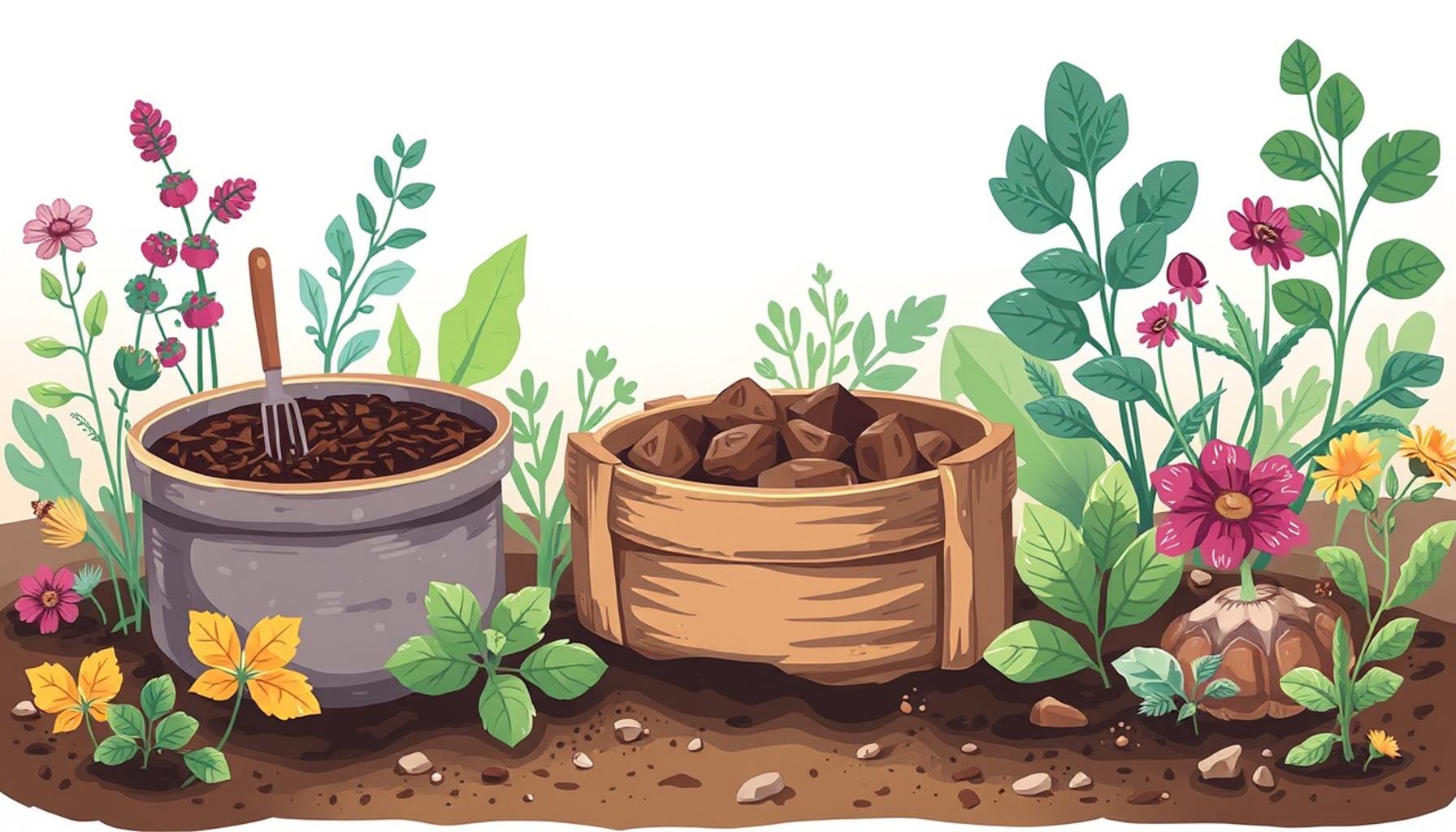
Creating a compost pile or bin can be a straightforward process. Choose a spot in your yard that receives some sunlight, as warmth speeds up the decomposition process. You can use a simple bin made from pallets, a commercial compost tumbler, or even a designated area marked off by stakes. The layering of materials is key; alternate between greens and browns while ensuring that more volatile green materials are covered by browns to reduce odors and pests.
In addition to the basic ingredients, moisture is crucial. The compost should feel like a damp sponge—moist but not soggy. Turn your compost every few weeks to aerate it and encourage faster decomposition. In about three to six months, with proper attention, you can sift through your compost and see the transformation. It should smell earthy and have a crumbly texture when ready to use in your garden.
Dive into the world of composting and discover how you can become a more connected and mindful gardener—one scoop of compost at a time! As you embark on this journey, not only do you enhance your garden’s health, but you also contribute to a greener planet, empowering you to make a significant impact with every composting effort.
DISCOVER MORE: Click here to enhance your garden’s soil
Start Your Composting Journey
When you embark on your composting adventure, understanding the composition and layering of your materials is fundamental. Composting for beginners requires a keen eye for the ingredients you are working with. The symbiotic relationship between greens and browns creates the optimal environment for microorganisms to flourish. These living organisms are the unsung heroes of your compost pile, breaking down organic matter into the nutrient-rich compost your garden craves.
As you gather materials for your compost, it is essential to recognize what can and cannot be included. A successful compost pile will comprise a variety of organic materials such as:
- Greens: These nitrogen-rich components are typically moist and include vegetable scraps, grass clippings, coffee grounds, and egg shells. They jumpstart the decomposition process and provide essential nutrients to your compost.
- Browns: Carbon-rich materials like dried leaves, twigs, straw, and cardboard balance out the compost mixture. They help maintain moisture, aerate the pile, and prevent it from becoming too dense.
As a beginner, a helpful rule of thumb to follow is the two-to-one ratio of browns to greens. This balance not only facilitates efficient composting but also minimizes odors and pest problems. Too much nitrogen can lead to a smelly, soggy pile, while insufficient nitrogen will slow down the decomposition process.
Location is just as crucial as material composition. Choosing a site that receives partial sunlight can enhance the heat-building process within the pile, which is vital for effective breakdown. The composting process is accelerated by warmth, so positioning your compost bin in a sunny location can lead to faster results.
Constructing your compost pile is an art that involves layering your collected materials. Start with a base of coarse brown materials to improve airflow, followed by alternating layers of greens and browns. Aim for varied textures to ensure good aeration; this can be achieved by tearing, cutting, or shredding materials before adding them to the pile. Furthermore, topping off each layer of greens with a layer of browns can help reduce odors and pests.
Another essential component to monitor is moisture. Your compost should feel like a damp sponge—neither dry nor waterlogged. Achieving this moisture balance is vital for the microbial activity that drives decomposition. If your compost appears too dry, a gentle sprinkling of water can help; if it’s too wet, adding additional dry browns or turning the pile can alleviate excess moisture.
As you regularly turn your compost every few weeks, you’re not only encouraging oxygen flow but also hastening the breakdown of materials. In just three to six months, with diligent care, your compost should transform into an earthy, crumbly mixture, bursting with nutrients ready to enrich your garden soil naturally.
By delving into composting, you nurture more than just your garden—you cultivate a sustainable mindset that contributes positively to the environment. Each composting endeavor plays a part in reducing landfill waste and fostering ecological balance, making you a proactive steward of the earth.
Composting is an art and science that opens the door to nurturing your garden with natural resources. By understanding the basics and benefits of composting, you can significantly enhance the quality of your garden soil while supporting sustainable gardening practices. Let’s delve deeper into the fascinating process of composting and how it can transform your gardening journey.First, let’s address the types of materials you can compost. Composting isn’t limited to just vegetable scraps; a variety of organic materials can be utilized. Items like grass clippings, leaves, coffee grounds, eggshells, and even small branches can be added to your compost pile. These ingredients break down to create nutrient-rich compost that acts as a natural fertilizer. This strategy not only reduces kitchen and yard waste but is also an economically savvy choice for providing essential nutrients to your garden.The core concept of composting revolves around the decomposition process, facilitated by microorganisms, bacteria, and worms. By maintaining a balanced ratio of ‘greens’ (nitrogen-rich materials) and ‘browns’ (carbon-rich materials), your compost pile can decompose effectively, releasing vital nutrients back into the soil. Regularly turning the pile accelerates the decomposition process, allowing air to circulate and microbial activity to flourish.Moreover, compost contributes to soil structure, enhancing its porosity and water-retaining capacity. This is particularly valuable in areas prone to drought, as compost ensures that moisture is available to plants during critical growth periods. It can also inhibit the growth of weeds, as the compost layer can smother unwanted vegetation and suppress their seeds from germinating.Incorporating compost into your garden not only enriches the soil but also fosters a healthy ecosystem. It encourages beneficial microorganisms and earthworms that aid in nutrient cycling and improve soil health. With the increasing emphasis on sustainable practices, composting serves as an effective way to reduce dependence on chemical fertilizers while promoting a thriving garden.For those new to the composting world, following a systematic approach can help ease the learning curve. Start small and learn from your experiences. Track the progress of your compost pile and observe the changes in your garden health over time. As your composting skills grow, so can the benefits to your garden’s ecosystem.By integrating compost into your gardening practices, you are not just enhancing the soil but actively contributing to the environment. The benefits are abundantly clear: healthier plants, reduced waste, and a nurturing habitat for wildlife. As you embark on this natural journey, you’ll find that composting is not only rewarding but also an essential element in achieving a vibrant and sustainable garden.
DON’T MISS: Click here for essential tips on maintaining your gardening tools
Advanced Composting Techniques to Explore
As you gain confidence in your composting practices, you may want to delve into more advanced techniques to enhance the efficacy and efficiency of your compost pile. Composting for beginners can evolve into a more sophisticated method that caters to your gardening goals. One such technique is the incorporation of composting worms, known as vermicomposting. This method utilizes red worms that consume organic waste and produce nutrient-dense worm castings, enriching your compost even further.
To create a vermicomposting system, you can start with a dedicated worm bin made of plastic or wood, ensuring proper drainage. Add shredded newspaper or cardboard as bedding, then introduce your red worms. Feed them kitchen scraps like fruit peels and vegetable trimmings, but avoid citrus, onions, and garlic, as they can be harmful to these little champions. Not only does this system produce exceptional compost, but it also reduces food waste significantly.
Another innovative approach to composting involves the concept of hot composting. Unlike traditional composting, which can take months, hot composting accelerates the process by maintaining higher temperatures within the pile, often between 130°F and 160°F. This is achieved through careful layering and a proper balance of greens and browns, as well as frequent turning to introduce oxygen. The intense heat generated not only speeds up decomposition but also kills off weed seeds and pathogens.
The intelligent use of compost accelerators can also enhance your composting journey. These additives, often rich in microorganisms, improve the breakdown of organic material. Tools such as compost activators or even simple household items like molasses can introduce beneficial bacteria to your pile. Two tablespoons of molasses diluted in water can be sprinkled onto the compost regularly to stimulate microbial activity, transforming your compost into a dynamic powerhouse.
If you’re limited on space or looking for a quick solution, consider exploring batch composting. This technique focuses on creating finished compost in larger quantities rather than gradually adding materials over time. By designating a specific time to create a compost batch, you can manage the materials effectively, layer them according to best practices, and let the heap work its magic in one concentrated effort. This method is particularly beneficial in urban settings where space is at a premium.
As you experiment with these advanced techniques, be sure to keep an eye on your compost’s temperature and moisture level. Regularly checking the internal temperature of your compost using a compost thermometer will help you determine if adjustments are needed. The ideal moisture level should remain consistent to maintain the active growth of microorganisms.
Don’t hesitate to connect with local gardening communities or online forums for tips and inspiration. Fellow gardeners can offer insights into successful composting practices rooted in the unique climate and soil conditions of your area. You may discover that what works for someone in the Pacific Northwest may differ from practices in the arid Southwest.
Lastly, be patient with your composting journey. The transformative power of composting—turning waste into nutritious soil—demands time and attention. As you evolve as a composter, remember that the process not only enriches your garden but also deepens your connection with nature and fosters sustainable practices in your everyday life.
DISCOVER MORE: Click here for essential gardening tools
Conclusion
In summary, composting for beginners is an empowering and rewarding practice that not only revitalizes your garden soil but contributes positively to the environment. Through simple steps, like balancing greens and browns, aerating your pile, and monitoring moisture levels, you can create nutrient-rich compost that supports plant health and enhances growth. As you progress, experimenting with advanced techniques like vermicomposting and hot composting can further accelerate results and introduce new elements to your gardening routine.
Embracing composting is more than just a gardening tip; it represents a holistic approach to sustainability. Each time you turn kitchen scraps into valuable soil amendments, you reduce waste and enhance ecological responsibility. Engaging with local communities, sharing experiences, and discovering which methods work best for your unique region can deepen your understanding and sharpen your gardening skills, leading to even greater rewards.
As you embark on this journey, remember to be patient and observant. Nature operates on its own timeline, and the transformation from waste to soil enriches not only your garden but also your connection with the earth. By adopting these composting practices, you can create a flourishing garden and champion the cause of environmental stewardship. So grab your compost bin and start this enriching adventure; your garden and the planet will be all the better for it!