
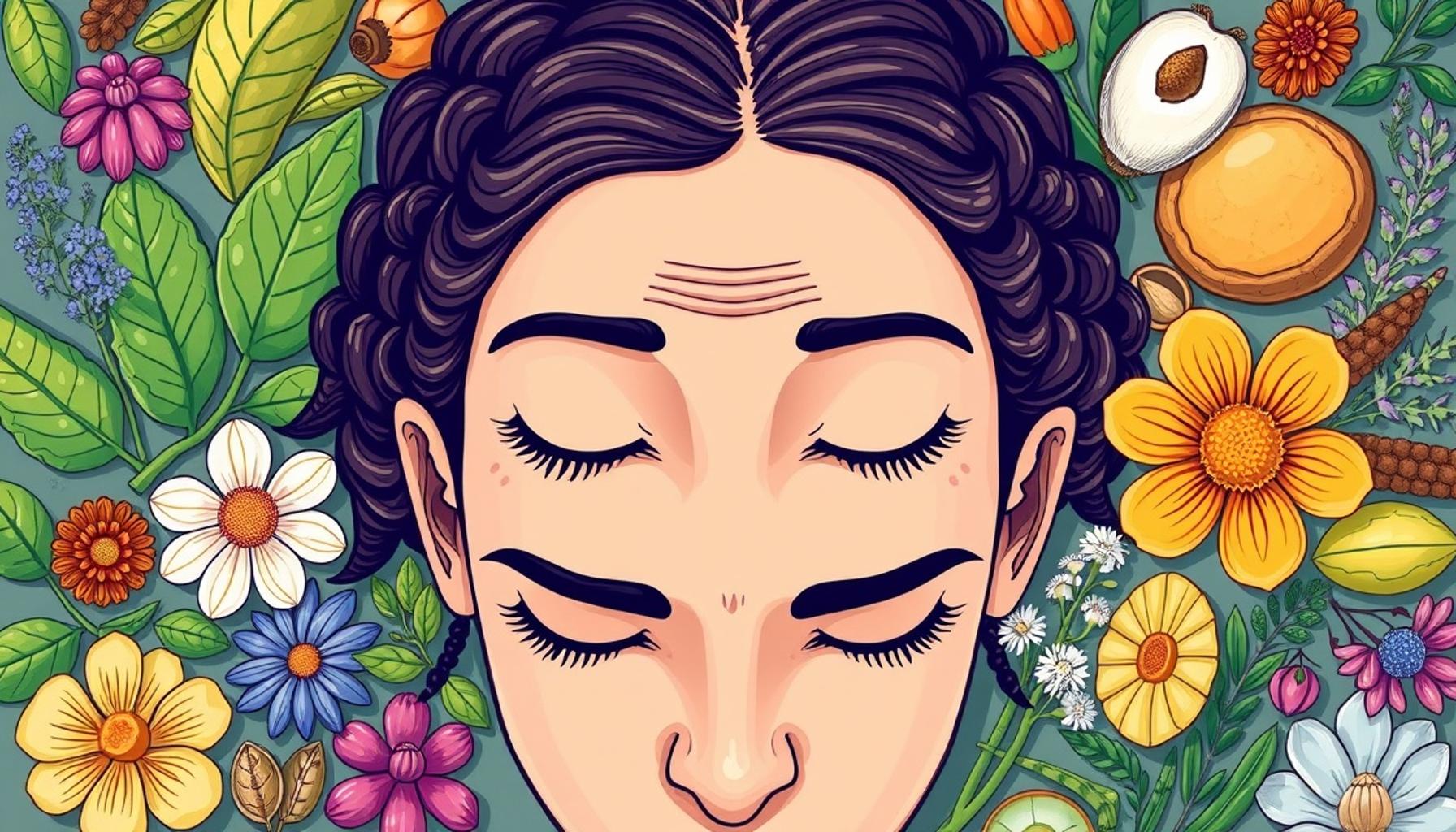
The Benefits of Natural Remedies for Scalp Irritation
Finding relief from scalp irritation can feel like an uphill battle, especially when many commercial products can exacerbate the issue rather than alleviate it. That’s why many individuals are turning to natural remedies, which have stood the test of time and offer effective solutions rooted in nature. Utilizing herbal solutions and DIY treatments can not only help soothe discomfort but also enhance the overall health of the scalp.
Exploring Herbal Rinses
Herbal rinses are a fantastic and accessible way to address scalp irritation. These rinses typically involve infusing herbs into hot water, allowing beneficial properties to seep into the liquid. For example, chamomile is renowned for its soothing properties, making it an excellent choice for calming irritated skin. A simple rinse can be made by steeping chamomile tea and allowing it to cool before applying it to the scalp. Similarly, rosemary promotes circulation and can help with dry, flaky scalps, while peppermint serves not only a cooling effect but also introduces a refreshing tingle that can invigorate the scalp.
Essential Oils as Natural Powerhouses
In addition to herbal rinses, the use of essential oils can provide significant relief. Tea tree oil is widely regarded for its antifungal properties, which can combat dandruff and scalp fungi effectively. When diluted with a carrier oil, tea tree oil can be massaged into the scalp to reap its benefits. Lavender oil, known for its calming scent, also has anti-inflammatory properties that can help reduce redness and irritation, making it a perfect choice for sensitive scalps.
Harnessing the Power of Aloe Vera
Another remarkable natural remedy is aloe vera. This plant has long been celebrated for its cooling and soothing properties. Applying pure aloe vera gel directly to the scalp can not only provide immediate relief from irritation but also promote healing due to its high water content and antioxidants. Many people have found that integrating aloe vera into their routine significantly reduces scalp discomfort.
DIY Treatments Right from Your Kitchen
When it comes to effective and budget-friendly solutions, DIY treatments made with common household ingredients can make a notable difference. For instance, coconut oil is not only a popular cooking ingredient but also serves as an excellent moisturizer for the scalp. Its unique fats can deeply penetrate hair follicles, nourishing and relieving dryness effectively.
Another winner is apple cider vinegar, an ingredient lauded for its ability to restore the scalp’s natural pH balance. Mixing it with water and using it as a rinse after shampooing can help to keep dandruff at bay while ensuring that the scalp remains clean and healthy.
Honey, a natural humectant, can also be effortlessly added to hair masks. It draws moisture into the hair and scalp, creating a hydrated environment that promotes healing. Try mixing honey with a bit of olive oil for a nourishing treatment that benefits both hair and scalp.
Engaging with these natural remedies for scalp irritation not only encourages a more enjoyable self-care routine but also reinforces the timeless connection we have with nature’s resources. By incorporating these solutions, you can foster a healthier scalp while avoiding harsh chemicals, effectively paving the way for both comfort and confidence.
DISCOVER MORE: Click here to learn how to protect your scalp
Understanding Scalp Irritation: Causes and Symptoms
Before diving into the world of natural remedies for scalp irritation, it’s essential to understand the underlying causes and symptoms that plague many individuals. Scalp irritation can arise from a variety of factors, ranging from environmental influences to personal health conditions. Common causes include dry skin, allergic reactions to hair products, fungal infections, or even stress-related conditions like psoriasis. Recognizing these triggers can lead to more tailored and effective natural treatment solutions.
Recognizing Symptoms of Scalp Irritation
The symptoms of scalp irritation can vary significantly from person to person, but some common indicators include:
- Itching: A persistent urge to scratch the scalp can lead to further irritation and even injury.
- Redness: Inflamed areas on the scalp often manifest as redness, signaling irritation.
- Flakiness: Dandruff or dry skin patches might become apparent, causing embarrassment and discomfort.
- Swelling: In some cases, the scalp may swell due to inflammation, exacerbating discomfort.
- Burning Sensation: A tingling or burning feeling may occur, indicating irritation that should not be ignored.
Understanding these symptoms is crucial, as they can guide individuals toward suitable herbal solutions and DIY treatments designed to provide relief and enhance overall scalp health.
The Role of Diet and Hydration
While topical solutions are critical, it’s important to remember that the health of the scalp also correlates with one’s diet and hydration levels. Essential nutrients such as omega-3 fatty acids, vitamin E, and zinc play a significant role in maintaining a healthy scalp. Incorporating foods rich in these nutrients, such as salmon, walnuts, avocados, and green leafy vegetables, can contribute to reducing inflammation and promoting healing.
Hydration cannot be underestimated either; ensuring adequate water intake helps to keep the scalp moisturized from within. This holistic approach, combining both external remedies and internal nutrition, fosters an incredibly effective strategy for tackling scalp irritation.
Exploring Further Natural Solutions
As we navigate the exploration of herbal solutions and DIY treatments, it’s vital to remain open to the myriad of options available. From apple cider vinegar rinses to jojoba oil treatments, the options are as diverse as they are effective. Many individuals have found success in experimenting with combinations of these natural ingredients to customize solutions that specifically target their unique scalp concerns.
By delving into natural remedies for scalp issues, individuals not only seek relief but also embrace a more holistic lifestyle. As we continue this journey into herbal solutions and DIY treatments, keep in mind that nature offers a reservoir of options waiting to be tapped in the quest for scalp comfort.
Exploring the Benefits of Herbal Solutions
In recent years, there has been a noticeable shift towards using herbal remedies for conditions such as scalp irritation. Natural treatments not only cater to the underlying issues but often come with fewer side effects than their chemical counterparts. Let’s delve into some of the popular herbal solutions that have gained traction among those seeking relief from itchy and inflamed scalps.
1. Lavender Oil
Lavender oil is renowned for its calming properties and is equally effective in promoting scalp health. It is known to alleviate itchiness and inflammation due to its antimicrobial and anti-inflammatory properties. Regular use in hair care routines can result in a soothing effect, often leading to reduced discomfort.
2. Tea Tree Oil
Another potent remedy is tea tree oil, recognized for its ability to combat fungal infections and dandruff. Its antiseptic qualities help in clearing clogged hair follicles, which can contribute to scalp irritation. By effectively reducing dandruff, tea tree oil promotes healthier hair growth.
3. Aloe Vera
Aloe vera has been used for centuries for its healing properties. Its gel not only moisturizes the scalp but also provides a cooling sensation to irritated skin. The anti-inflammatory and antibacterial elements of aloe vera are particularly beneficial for those suffering from scalp conditions like psoriasis and eczema.
4. Chamomile
Chamomile is a versatile herb with soothing properties that can calm irritated skin. Its mild anti-inflammatory agents help reduce redness and swelling on the scalp. Chamomile water, when applied as a rinse, can enhance scalp hydration and promote a healthy environment for hair growth.
DIY Treatments
For those interested in harnessing the power of these herbs, DIY treatments can be an exciting and rewarding approach. Mixing essential oils with carrier oils like coconut or jojoba oil can create potent scalp treatments. DIY herbal infusions as hair rinses or masks can also be beneficial and easy to incorporate into your regular hair care routine.Exploring these natural remedies not only provides potential relief from scalp irritation but also encourages a more holistic approach to personal care. The key lies in understanding how herbal solutions can work harmoniously with our bodies to promote overall wellness.
DON’T MISS: Click here to learn about the latest in hair repair!
Herbal Solutions: Nature’s Potent Remedies for Scalp Relief
When addressing scalp irritation, herbal solutions stand out as a compelling choice for many individuals seeking natural alternatives. From centuries-old remedies to contemporary practices, various herbs have garnered attention for their anti-inflammatory, soothing, and healing properties. Let’s explore some of the most effective and widely-recognized herbs that can be integrated into your scalp care routine.
Aloe Vera: The Scalp Soothing Superstar
Aloe vera is perhaps one of the most celebrated plants for skin and scalp care, and for a good reason. This succulent boasts a rich composition of vitamins, minerals, and enzymes that work together to hydrate the scalp, reduce inflammation, and alleviate itching. To harness its benefits, apply fresh aloe vera gel directly to the impacted areas of the scalp. Leave it on for at least 30 minutes before rinsing. This natural remedy not only soothes irritation but can also impart a refreshing coolness that many find beneficial during warmer months.
Chamomile: The Calming Infusion
Known for its calming effects when consumed as tea, chamomile can also work wonders for the scalp when used in rinses or tinctures. Its natural anti-inflammatory properties help soothe irritated skin, making it ideal for those suffering from conditions such as eczema or dermatitis. To create a chamomile rinse, steep chamomile tea bags in boiling water, allow it to cool, and then use it as a finishing rinse after shampooing. This approach not only addresses irritation but can also leave the hair shiny and vibrant.
Tea Tree Oil: A Potent Antiseptic
Another powerhouse in the realm of natural remedies is tea tree oil, renowned for its antifungal and antibacterial properties. This essential oil, derived from the Melaleuca alternifolia tree, can effectively tackle fungal infections that lead to scalp irritation, such as dandruff. Diluting a few drops of tea tree oil with a carrier oil (like coconut or jojoba oil) and massaging it into the scalp can help alleviate itching while combating the root causes of irritation. Individuals should carry out a patch test prior to use to avoid potential allergic reactions.
DIY Treatments for Scalp Relief
In addition to selecting individual herbs, creating your own DIY scalp treatments using easily accessible ingredients can be both rewarding and effective. One such treatment involves creating a honey and coconut oil mask, known for its moisturizing and healing benefits. Honey is naturally antimicrobial, while coconut oil is widely recognized for its deeply nourishing attributes.
To concoct this treatment, combine equal parts honey and coconut oil. Warm the mixture slightly to enhance its spreadability, and then massage it into the scalp, focusing on the affected areas. After leaving it on for 30 minutes, rinse with a gentle shampoo to reveal a significantly more comfortable and nourished scalp.
Oatmeal: Nature’s Gentle Exfoliant
Another versatile ingredient, oatmeal, can be used in various forms to help with scalp irritation. When ground into a powder and mixed with water or yogurt, it creates a calming paste that can alleviate itching and redness. Simply apply this paste to the scalp, allow it to sit for 20 minutes, and rinse thoroughly. Oatmeal contains avenanthramides, which are compounds known for their anti-inflammatory properties, making it an excellent choice for those experiencing irritation.
These herbal solutions and DIY treatments not only seek to ensure relief but also emphasize the importance of taking a natural approach to scalp care. By understanding and utilizing the powerful effects of nature, individuals can foster a healthier scalp and overall well-being.
DISCOVER MORE: Click here to learn about choosing the perfect hair mask
Conclusion: Embracing Nature’s Wisdom for Scalp Health
Exploring natural remedies for scalp irritation offers a myriad of exciting possibilities for those seeking gentle yet effective solutions. With the growing popularity of herbal solutions and DIY treatments, individuals are now more empowered to take charge of their scalp health using the rich resources provided by nature. By incorporating powerful herbs such as aloe vera, chamomile, and tea tree oil into your hair care routine, you can cultivate a healthier scalp while alleviating discomfort.
Furthermore, engaging in homemade treatments like honey and coconut oil masks or oatmeal pastes not only allows one to personalize their approach but also connects them to the rich traditions of natural healing. This exploration encourages creativity, fosters self-care, and promotes a sense of well-being. As you venture into these natural remedies, it’s essential to remember that individual responses may vary; thus, always conduct patch tests and consult with healthcare professionals when necessary.
Ultimately, understanding the benefits of herbal solutions can pave the way for long-term scalp relief. By opening the door to these age-old practices, you don’t just treat the symptoms of irritation; you cultivate a holistic approach to your scalp health. As you embark on this journey, you not only embrace the wisdom of nature but also enhance your overall hair and skin vitality. In a world inundated with chemical-filled products, turning to nature may be the most transformative and beneficial decision you can make for your scalp.