Best Indoor Plants to Grow Care Tips Specific Needs Guide
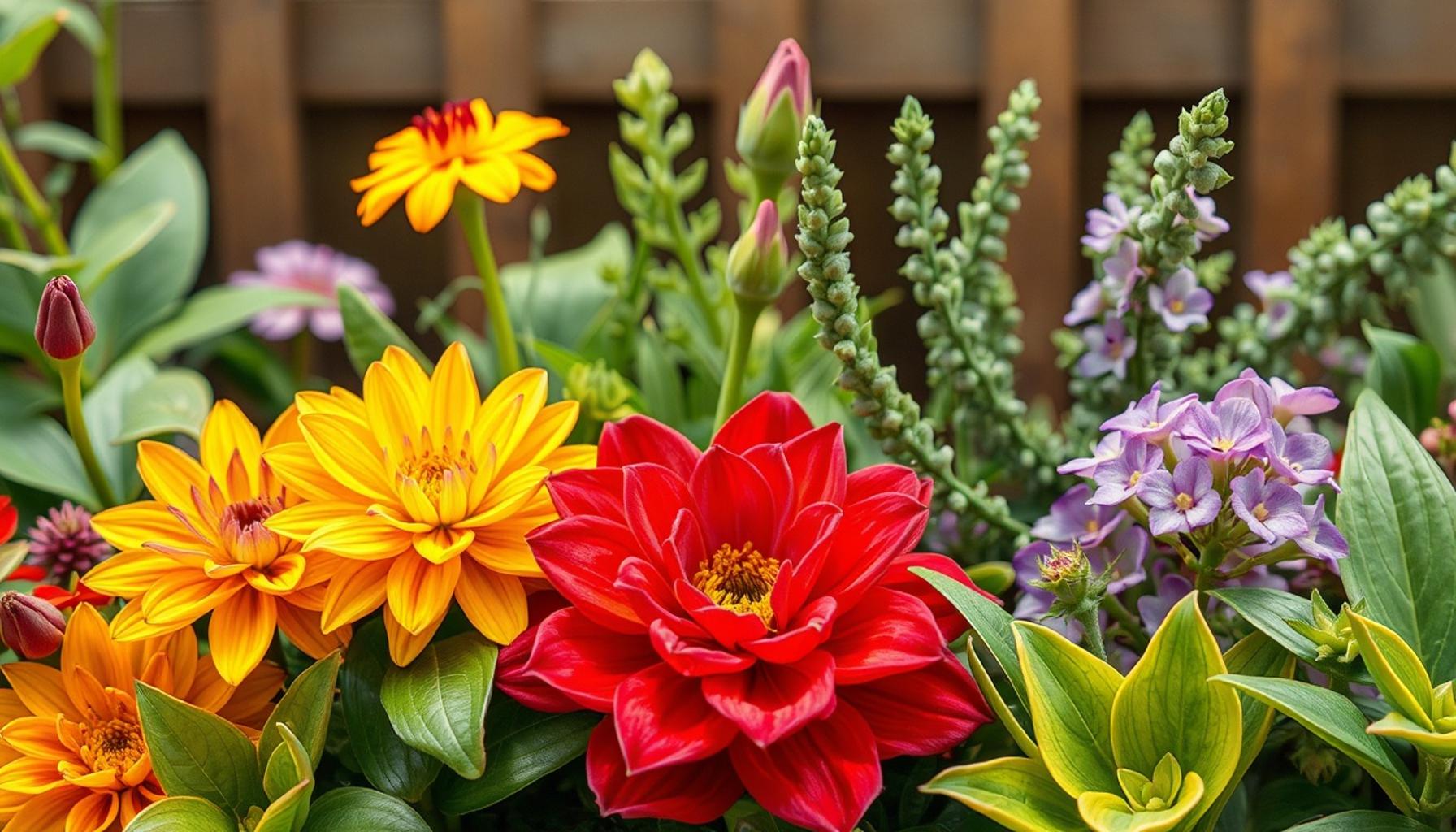
Creating a vibrant indoor garden can bring life and freshness to your home, especially if you are just starting your gardening journey. Indoor plants not only enhance your living space but also offer numerous health benefits, such as improving air quality and boosting mood. Understanding the unique needs of each plant is essential for ensuring they thrive, making it a rewarding experience for beginners.
Why Choose Indoor Plants?
Indoor gardening is accessible and fulfilling, making it an ideal pursuit for novice gardeners. Here are some compelling reasons to start:
- Space Efficiency: Indoor plants can thrive in small areas, making them perfect for apartments.
- Low Maintenance: Many indoor plants require minimal care, allowing you to enjoy greenery without overwhelming commitment.
- Year-Round Growth: Unlike outdoor gardens, indoor plants can flourish regardless of seasonal changes.
Preparing for Your Indoor Garden
Before diving into indoor gardening, it’s important to understand the specific needs of various plants. Factors such as light, water, and humidity are crucial for plant health. In this article, we will explore the Top 5 indoor plants that are perfect for beginners and provide the care tips necessary for each, ensuring you set up your indoor garden for success.
DISCOVER MORE: Click here to start your gardening journey
Top 5 Best Indoor Plants and Their Specific Needs
Indoor gardening is not only a way to brighten up your living space but also a method to improve the air quality in your home. Choosing the right plants can make a substantial difference in these aspects. Each plant comes with its own set of requirements and characteristics. In this guide, we will explore the top five indoor plants ideal for beginners, focusing on their specific needs and how they can contribute to a healthy indoor environment.
5. Peace Lily (Spathiphyllum)
The Peace Lily is a popular choice among beginner gardeners due to its elegant white blooms and ability to thrive in low-light conditions. Beyond aesthetics, Peace Lilies are known for their air-purifying properties, efficiently removing toxins like ammonia, benzene, and formaldehyde from the air.
Specific Needs: Peace Lilies prefer bright, indirect sunlight, making them ideal for north or west-facing windows with filtered light. Although they thrive in moist soil, overwatering should be avoided to prevent root rot. Allowing the top inch of soil to dry between waterings is optimal. Additionally, these plants enjoy humidity, so misting the leaves occasionally or using a humidifier can enhance their growth. A practical example would be placing them in a bathroom with a window, where they can benefit from both humidity and indirect light.
4. Snake Plant (Sansevieria)
The Snake Plant, also known as Mother-in-law’s Tongue, is renowned for its resilience and striking appearance with its sword-like, upright leaves. This plant can survive various lighting conditions, from low light to direct sunlight, making it incredibly versatile.
Specific Needs: Snake Plants prefer well-draining soil, which is crucial to prevent waterlogging that can lead to root rot. Water these plants only when the soil is completely dry; this is typically every two to six weeks, depending on the environment. They are well-suited to temperatures between 60°F and 80°F and can tolerate moderate humidity levels. For instance, placing the Snake Plant in a dimly lit office or bright living room can both work effectively, showcasing its adaptability and ease of care.
3. Spider Plant (Chlorophytum comosum)
The Spider Plant is beloved for its charming appearance and minimal maintenance requirements. With its green arching leaves adorned with white stripes, this plant adds a unique look to any room. Furthermore, Spider Plants are excellent at purifying the air, reducing pollutants such as formaldehyde and xylene.
Specific Needs: Spider Plants thrive in bright, indirect sunlight but can manage in lower light conditions. They require watering about once a week, ensuring their soil remains slightly moist but not soggy. These plants prefer a humid environment, so misting them or utilizing a humidity tray can be beneficial. A practical placement would be in a kitchen or bathroom, areas that usually suit their preference for humidity and light exposure.
2. Pothos (Epipremnum aureum)
The Pothos, often referred to as “Devil’s Ivy,” is cherished for its trailing vines and heart-shaped leaves. Its ability to adapt to various light conditions makes it an easy choice for beginners. Pothos is versatile and can be displayed as a hanging plant or trained to climb a trellis, providing aesthetic appeal at different levels of your home.
Specific Needs: Pothos thrives in bright, indirect light but can also tolerate lower light areas, such as offices or rooms with minimal sunlight. Keep the soil slightly moist, allowing the top inch to dry out between waterings to avoid overwatering. If you live in a dry climate, occasional misting or a nearby water source can provide the humidity necessary for growth. Pothos can beautifully complement bookshelves or entrances, subtly enhancing any space.
1. ZZ Plant (Zamioculcas zamiifolia)
Topping the list is the ZZ Plant, noted for its incredible resilience and minimal care requirements. The plant is characterized by shiny, dark green leaves that can bring a touch of sophistication to any décor. Its ability to purify the air makes it even more attractive for indoor settings.
Specific Needs: ZZ Plants are perfect for low-light environments and can survive in a range of lighting situations from bright, indirect light to areas with minimal illumination. They require infrequent watering, as the soil should be allowed to dry out completely between waterings. Overwatering is a common mistake and can lead to root rot, so it’s critical to err on the side of underwatering with these plants. A practical application would be exhibiting a ZZ Plant in an office corner or a hallway, where its maintenance needs are minimal but its aesthetic contribution is substantial.
In conclusion, each of these five plants provides attractive aesthetics and practical benefits for your indoor environment, with specific care requirements that are manageable even for beginners. Whether your goal is to enhance your home’s décor, improve air quality, or explore the joys of gardening, these plants offer a rewarding experience without overwhelming you. Indoor gardening can thus transform your living space into a vibrant and health-promoting sanctuary.
| Plant Type | Care Requirements |
|---|---|
| Spider Plant | Requires indirect sunlight and occasional watering. It thrives in a well-draining soil and can tolerate a variety of temperatures. |
| Peace Lily | Prefers low to medium light and needs to keep its soil moist but not soggy. Excellent for cleaning indoor air. |
| Pothos | Adaptable to many conditions, requires minimal care. It can grow in low light and needs watering only when the top inch of the soil is dry. |
| Snake Plant | Does well in low light and needs very little water. It’s one of the most resilient plants, making it perfect for beginners. |
Houseplants not only enhance the aesthetics of our living spaces but also contribute significantly to our well-being. Different plants come with varied care requirements, often related to their native environments. For instance, the Spider Plant, known for its air-purifying qualities, is quite forgiving and can adapt to lower light conditions. This means that even if your home doesn’t receive much natural sunlight, your Spider Plant will still thrive, offering both beauty and health benefits.Another excellent indoor plant option is the Peace Lily, which adds a touch of elegance with its white flowers while also performing the important role of purifying the air by removing toxins. It is ideally suited for homes with soft, indirect light, making it perfect for less brightly lit areas of your home. Just remember that this plant prefers its soil to be kept moist, so checking in on it regularly is key.For an effortlessly stylish touch, consider the Pothos. This plant is known for its trailing vines and lush green leaves that can thrive in almost any environment. Its low maintenance makes it suitable for busy individuals who still want the benefits of indoor greenery. The fact that it can flourish with little sunlight is another bonus, and it’s perfect for placing on shelves or in hanging baskets.Lastly, the Snake Plant—commonly referred to as Mother-in-Law’s Tongue—is incredibly resilient, known not only for its striking shape but also for its air-purifying properties. With its ability to thrive in various light conditions, particularly low light, and its infrequent water needs, it’s ideal for those who may forget to water their plants regularly. This plant not only looks great but can also help improve indoor air quality by converting CO2 into oxygen during the night.Understanding the specific needs of these indoor plants can significantly enhance your gardening experience. Whether you are looking for air quality improvements, aesthetic appeal, or simply wish to cultivate a bit of nature indoors, the right plants can greatly contribute to a healthier and more enjoyable living space.
DISCOVER MORE: Click here to learn about common garden pests
Frequently Asked Questions (FAQs) about Indoor Plants and Their Specific Needs
What are the best indoor plants for beginners?
For beginners, some of the best indoor plants are snake plants, pothos, and peace lilies. These plants are known for their resilience and ability to thrive in low light and with minimal watering. Snake plants, for example, can tolerate neglect and still grow healthily, making them perfect for new plant parents.
How often should I water my indoor plants?
The watering needs of indoor plants vary greatly depending on the species. As a general rule, it’s best to let the top inch of soil dry out before watering again. Over-watering is a common mistake and can lead to root rot. Plants like succulents and cacti, for instance, prefer dry conditions and should only be watered when their soil is completely dry.
How do I provide proper lighting for indoor plants?
Lighting needs differ across plant types. Some plants, such as fiddle leaf figs and aloe vera, require bright but indirect sunlight. Others, like philodendrons and zz plants, can thrive in low-light settings. It’s essential to understand each plant’s lighting requirements and place them accordingly near windows or under artificial lights if natural light is insufficient.
Can indoor plants improve air quality?
Yes, indoor plants can improve air quality by filtering out toxins and releasing oxygen. Plants like spider plants, peace lilies, and bamboo palms are particularly effective at purifying air. Incorporating these plants into your indoor environment can help enhance air freshness and promote a healthier living space.
What should I do if my indoor plant is not thriving?
If a plant is not thriving, it’s crucial to first examine its environmental conditions. Check for signs of over- or under-watering, insufficient light, or nutrient deficiencies. Occasionally, pests might also be a problem. Adjusting the care routine according to the plant’s specific needs is usually the key to reviving its health. If necessary, consider repotting the plant in fresh soil to encourage new growth.
DISCOVER MORE: Click here for essential tips
Conclusion
Cultivating plants indoors can be a rewarding and enriching experience, especially for beginners. As we’ve explored, selecting the right plants that can thrive in an indoor environment is crucial. This ensures not only the survival of the plants but also enhances the overall ambiance of your living space. In this article, we highlighted the top five plants favored for their adaptability and low maintenance requirements: Snake Plant, Spider Plant, Pothos, Peace Lily, and Aloe Vera.
Key Takeaways
- Snake Plant: Thrives in low light and requires minimal watering, making it ideal for beginners who may not have much time for plant care.
- Spider Plant: Known for its air-purifying properties, the Spider Plant is resilient to various conditions and propagates easily.
- Pothos: This vine is highly adaptable, can grow in various lighting conditions, and is forgiving when it comes to watering lapses.
- Peace Lily: Elegant and attractive, it does well in shade and requires regular watering to maintain its lush, glossy leaves.
- Aloe Vera: Not only is it easy to care for, but Aloe Vera also offers natural healing properties, demanding only occasional watering.
Understanding the specific needs of each of these plants, such as light, water, and temperature requirements, is vital to their success. By selecting plants that suit the specific conditions of your home, even those without a green thumb can cultivate a thriving indoor garden. With this guide, you’re equipped to start a rewarding journey into indoor gardening. Remember, patience and observation are key components of gardening success. In time, your efforts will yield not only beautiful foliage but also a sense of accomplishment and tranquility.