Succulent Plants for Beginners: How to Select and Care for These Resilient Beauties
Exploring the Allure of Succulent Plants
Succulent plants have captured the hearts of plant enthusiasts and casual gardeners alike, thanks to their unique aesthetics and gentle care requirements. These remarkable plants are not only visually striking but also remarkably resilient, lending themselves to a variety of environments. This makes them an excellent choice for individuals new to gardening who wish to bring a slice of nature into their homes or offices without being overwhelmed by maintenance.
One of the top reasons for the rise in popularity of succulents is their low maintenance nature. Unlike many traditional houseplants, succulents require significantly less water. They store moisture in their thick, fleshy leaves and stems, allowing them to survive in arid conditions. This quality means that they only need watering every couple of weeks, making them an ideal option for those with busy lifestyles or those who may forget to tend to their green companions regularly.
Additionally, the variety of shapes and colors offered by succulents is truly astounding. From the architectural elegance of the Aloe Vera’s upright form to the trailing vines of String of Pearls, every succulent has its personality. The spectrum of colors ranges from deep greens to vivid purples, reds, and even blues, providing endless opportunities for creative displays, whether in decorative pots, terrariums, or outdoor gardens. Each variety can complement different décor styles, making succulents a versatile choice for any space.
Furthermore, succulents’ adaptability to various environments is another feature that enhances their appeal. They flourish both indoors and outdoors, whether in a bright sunlit window or a shady garden bed. This adaptability allows individuals to create their own green oasis, regardless of the size of their living space. With proper care, many succulents can thrive for years, becoming lasting symbols of the care and attention bestowed upon them.
Popular Succulent Varieties to Consider
When venturing into the world of succulents, it’s beneficial to know a few popular varieties that are beginner-friendly:
- Aloe Vera: Renowned not only for its striking foliage but also for its medicinal properties, Aloe Vera gel is commonly used to soothe minor burns and skin irritations. Its care is straightforward—just place it in a pot with good drainage and ensure it gets ample sunlight.
- Jade Plant: Often gifted during the lunar New Year as a symbol of good luck and prosperity, the Jade Plant is resilient and forgiving. Its round, fleshy leaves and tree-like structure add a whimsical touch to any space and it tends to thrive with minimal care.
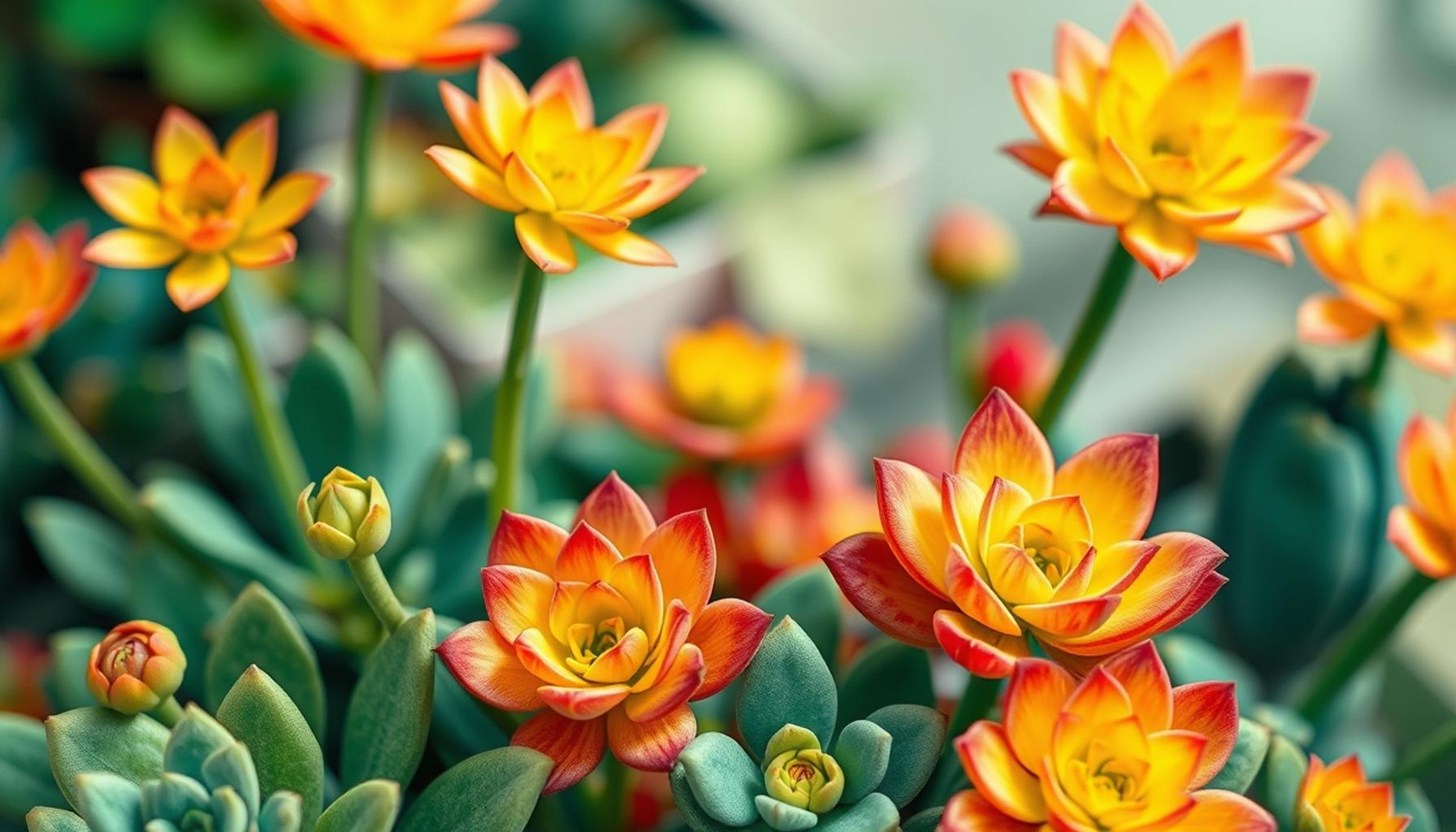
- Echeveria: This succulent is beloved for its stunning rosette shapes and diverse color palettes. Echeverias are perfect for succulent arrangements and rock gardens, providing a beautiful focal point with their remarkable symmetry and hues.
Engaging with succulents opens a new chapter in botanical exploration. As you select and nurture these captivating plants, you’ll discover not just the beauty of greenery within your space, but also gain joy and fulfillment from watching them thrive. In the ensuing sections, we’ll delve deeper into the fundamental aspects of succulent care, guiding you every step of the way on your journey into succulent gardening.
DISCOVER MORE: Click here for in-depth insights
Getting Started with Succulent Selection
As you begin your journey into the world of succulents, understanding how to select the right plants for your environment is crucial. With thousands of species available, it can feel overwhelming; however, making informed choices can ensure your success. The first step is to assess your specific growing conditions, including light availability, temperature, and space.
Light is a vital factor for any plant’s health, and succulents are no exception. Most varieties thrive in bright, indirect sunlight, where they can soak up the necessary energy to grow. If you possess an east or west-facing window, you’re likely well-equipped for succulent gardening. However, if your living conditions lean towards lower light, consider species like Zamioculcas zamiifolia (ZZ plant) or Haworthia, which tolerate less exposure but still maintain their charming appearance.
Next, think about temperature—most succulents prefer a range between 60°F to 80°F. Extreme cold or excessive heat can cause stress, leading to root rot or scorching of leaves. This sensitivity makes knowledge about your plant’s ideal conditions for thriving essential. Remember, while many succulents enjoy being outdoors in warmer months, they should be moved inside before temperatures drop to ensure they remain healthy throughout seasonal changes.
Additionally, consider the space you can dedicate to your succulent collection. Smaller varieties are perfect for tight spaces or small pots, while larger types will require their own designated areas. Since succulents come in various shapes and sizes, grouping different varieties in one arrangement can create a stunning focal point. Mixing and matching can yield visually appealing displays, especially when you account for the diverse colors and textures available among these resilient beauties.
Essential Tips for Caring for Your Succulent
Once you’ve made your selections, you must ensure proper care to help your succulents thrive. Here are some essential tips to keep in mind:
- Watering: Succulents are drought-tolerant, so it’s best to water them sparingly. A good rule of thumb is to allow the soil to dry out completely between waterings. Overwatering is a common mistake that can quickly lead to root rot.
- Soil: Opt for a well-draining soil mix specifically designed for succulents. Regular potting soil retains too much moisture, which can be detrimental to these hardy plants.
- Fertilization: While succulents do not require frequent fertilization, a diluted fertilizer during the growing season (spring and summer) can provide extra nutrients. Use a balanced, water-soluble fertilizer at half strength to avoid over-fertilizing.
Understanding the fundamentals of succulent selection and care sets the foundation for a thriving indoor garden. By taking the time to assess your conditions, choose appropriately, and follow these caring guidelines, you’ll not only ensure your succulents flourish but also enhance your enjoyment of this rewarding hobby. In the following sections, we will delve deeper into the specific needs of different succulent types and tackle common challenges faced by beginner gardeners.
Understanding the Care Needs of Succulents
Succulent plants are renowned for their unique ability to thrive in arid environments, making them perfect for beginner gardeners. These resilient beauties are not only visually striking but also relatively low maintenance. Knowing how to care for them properly is key to ensuring their longevity and health.
Light Requirements
Most succulents flourish in bright, indirect sunlight. A south-facing window is often the ideal spot, but be cautious of too much direct sun, which can scorch their leaves. Gradually acclimate your plants to direct sunlight if you’re transitioning them from a shadier location.
Watering Techniques
Overwatering is one of the most common pitfalls for succulent enthusiasts. These plants store water in their leaves, stems, and roots, which allows them to survive long periods without moisture. Water only when the soil is completely dry, typically every 1-2 weeks. A well-draining potting mix is essential, often a blend designed specifically for cacti and succulents.
Pest Management
Though succulents are less prone to pests, aphids and mealybugs can still be a nuisance. Regularly inspect your plants for any signs of infestation. If you notice any unwanted visitors, remove them promptly with a cotton swab dipped in rubbing alcohol.
Fertilizing
While succulents don’t require much feeding, a light application of a diluted, balanced fertilizer can support growth during the growing season, which typically spans spring and summer. Consider using a fertilizer specifically designed for succulents or cacti for the best results.
Repotting
As your succulents grow, they’ll need repotting to ensure their roots have enough space. Choose a pot that is slightly larger than the current one and make sure it has drainage holes. The right soil mix will also facilitate proper drainage.
Understanding Different Types of Succulents
The world of succulents is incredibly diverse, featuring a wide range of species, each with its own distinct characteristics. For beginners, it’s beneficial to familiarize oneself with a few popular varieties:
| Type of Succulent | Characteristics |
|---|---|
| Aloe Vera | Known for its medicinal properties, Aloe Vera has thick, fleshy leaves with a rosette shape. |
| Echeveria | These beautiful, rosette-forming succulents come in various colors and shapes, making them a popular choice for arrangements. |
| Jade Plant | A symbol of good luck, the Jade plant features shiny green leaves on thick branches, making it a robust indoor succulent. |
| Sedum | With its varied forms, Sedum can adapt to various conditions and is often used in ground cover or rock gardens. |
By understanding the essential care needs and familiarizing yourself with these popular succulent types, you will create a thriving indoor garden that showcases your personal style while relieving stress and brightening your living space. Succulents are truly a rewarding venture for beginners, offering aesthetic pleasure along with the satisfaction of nurturing a piece of nature.
DIVE DEEPER: Click here to discover the perfect plants for your garden
Understanding the Unique Needs of Popular Succulent Varieties
As you become more familiar with the wonderful world of succulents, it’s essential to learn about the specific requirements of popular varieties. Each succulent type comes with its own quirks and best practices for care, enhancing your overall experience and success. Here’s a closer look at a few beloved species and how you can adapt your care techniques to meet their needs.
Hens and Chicks (Sempervivum)
Hens and Chicks are extremely popular due to their striking rosette shape and low care requirements. Native to mountainous regions of Europe, these hardy plants thrive in well-draining soil and full sun, making them ideal for outdoor gardens or sunny window sills. Watering should be minimal; allow the soil to dry thoroughly between waterings. These plants particularly excel in dry climates, showcasing their resilience by producing offsets or “chicks,” which can be propagated easily. This adaptability makes them perfect for beginner gardeners who want a low-maintenance yet visually dynamic display.
Jade Plant (Crassula ovata)
The Jade Plant is renowned for its thick, glossy leaves and tree-like structure, symbolizing prosperity in some cultures. This succulent prefers bright, indirect light and should be placed in a location that mimics its natural habitat. The Jade Plant is relatively slow-growing, so it won’t require frequent repotting. When it comes to watering, aim to let the soil dry out thoroughly before rehydrating. Ensure the container has excellent drainage, as standing water can lead to potential root rot, which is particularly detrimental to this succulent.
Aloe Vera (Aloe barbadensis miller)
Aloe Vera is not just a beautiful ornamental plant; it also holds medicinal properties. Its succulent leaves can be used to soothe burns and skin irritations. This plant thrives in bright light and prefers a temperature range between 60°F to 75°F. For watering, Aloe Vera benefits from the “soak and dry” method. Allow the soil to dry completely between waterings, especially in winter when the plant enters its dormant phase. This practice reduces the risk of root rot and helps ensure a thriving plant.
String of Hearts (Ceropegia woodii)
This charming trailing succulent is adored for its heart-shaped leaves and delicate vines. The String of Hearts does best in bright, indirect light but can adapt to lower light conditions, making it versatile for indoor setups. To care for this plant, it’s essential to water it when the top inch of soil feels dry. These plants benefit from a well-draining soil mix, and during the growing season, a diluted succulent fertilizer can help promote growth. Ensuring adequate drainage is particularly important, as this variety is susceptible to root rot.
Diverse Care for a Dazzling Display
Understanding the individual care requirements of each succulent type not only leads to healthier plants but also enhances your collection’s overall aesthetic. As you experiment with various kinds of succulents, remember that patience is key. Each species encourages a unique approach to watering, light exposure, and soil management, giving you an opportunity to cultivate a gorgeous botanical haven right in your home.
As you broaden your succulent palette, embrace the beauty and diversity each plant brings to your collection. With the fundamental care techniques discussed above, you’ll be well on your way to becoming a confident succulent gardener, ready to tackle the next challenges and joys of caring for these resilient beauties.
DISCOVER MORE: Click here to learn about DIY organic pest control
Final Thoughts on Cultivating Succulent Bliss
As you embark on your journey into the captivating realm of succulent plants, remember that knowledge and adaptability are your greatest allies. The diversity found within the succulent family not only offers a plethora of visual aesthetics but also presents a unique set of care challenges that make each species a joy to nurture. From the resilient Hens and Chicks to the charming String of Hearts, understanding the specific needs of each plant equips you with the tools for success.
When starting your succulent adventure, the emphasis should be on creating the right environment. This includes choosing well-draining soil, ensuring adequate sunlight, and mastering the art of proper watering. Remember, succulents thrive on a soak and dry method that mimics their native arid habitats. As you develop your green thumb, don’t hesitate to experiment with different varieties, observing how the interplay of light, temperature, and moisture impacts their growth.
Moreover, joining a community of fellow plant enthusiasts—whether online or in local gardening clubs—can provide you with invaluable support and inspiration. Each gardener’s experience with succulents is a rich tapestry of trials and triumphs, offering insights that may enhance your own practice. Embrace the learning curve and let the enchanting qualities of succulents spark your creativity.
In conclusion, cultivating a collection of resilient beauties not only brings beauty into your life but also fosters a rewarding hobby that offers tranquility and productivity. So, grab a few plants, experiment, and enjoy the flourishing adventure ahead!