The Role of Organic Matter in Soil Preparation for Home Gardens
Understanding the Importance of Organic Matter
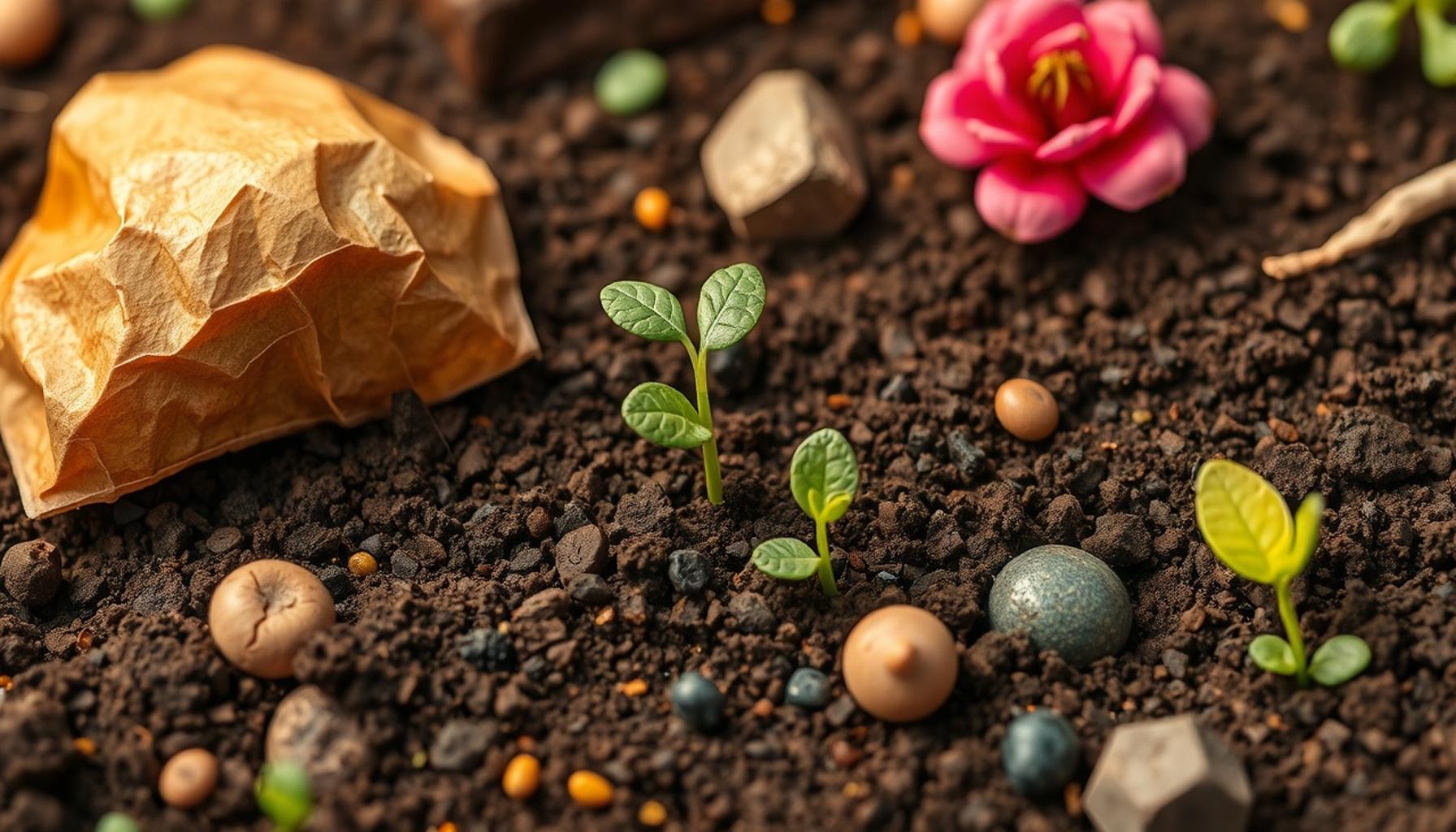
In the realm of home gardening, the quality of your soil cannot be overstated. It serves as the very foundation of your garden, influencing everything from plant growth to overall garden health. One of the most effective ways to enrich soil quality is by incorporating organic matter, composed of decomposed plant and animal material. This vital component not only enhances soil structure and nutrient content but also works wonders in promoting water retention and supporting microbial activity.
But why should gardeners pay specific attention to organic matter? First, let’s clarify what we mean by organic matter. It includes decayed leaves, compost, manure, and even earthworms, all contributing to a rich, biodiverse soil ecosystem. The array of benefits derived from adding organic matter to your garden is extensive:
- Enhances Nutrient Availability: Organic matter is a powerhouse of essential nutrients like nitrogen, phosphorus, and potassium—key players in plant growth. It acts as a slow release mechanism, ensuring that these nutrients are available to plants when they need them the most.
- Improves Soil Structure: By helping bind soil particles together, organic matter creates a crumbly texture that facilitates root growth. This structure aids in preventing soil compaction, which can stifle plant development.
- Increases Water Retention: Soils rich in organic matter retain moisture more effectively, minimizing the frequency of watering. This is particularly beneficial in regions susceptible to drought, where every drop of water counts.
- Encourages Microbial Life: Organic matter serves as food for beneficial microorganisms. These microbes play a crucial role in the breakdown of organic material, ultimately enhancing nutrient cycling and supporting plant health.
In the context of gardening, the role of organic matter transcends immediate advantages. It lays the foundation for sustainable gardening practices, leading to profound improvements in soil health that can benefit successive generations. For instance, by using compost made from kitchen scraps and yard waste, or by incorporating well-rotted manure, gardeners not only nourish their plants but also actively contribute to a healthier ecosystem.
As the conversation around sustainable gardening gains momentum, incorporating organic matter becomes a pressing responsibility. In the upcoming sections, we’ll explore the different forms of organic matter available—from compost and cover crops to leaf litter and green manures—and discuss the best methods for seamlessly integrating these into your garden preparation routine. Engaging with organic matter can transform not only your garden but also your gardening philosophy, steering you toward practices that promote health, sustainability, and resilience against the changing climate.
DISCOVER MORE: Click here to learn how to conduct a soil test
The Many Forms of Organic Matter for Home Gardens
When it comes to enhancing the quality of soil in home gardens, understanding the various forms of organic matter available is crucial. Each type offers unique benefits, and knowing how to effectively incorporate them into your garden can make all the difference. Below, we explore some of the most common and beneficial forms of organic matter, each capable of transforming your garden’s soil into a flourishing ecosystem.
1. Compost: The Gardener’s Gold
Compost is often regarded as the cornerstone of organic gardening. It is created through the decomposition of kitchen scraps and yard waste, resulting in a dark, crumbly material that is rich in nutrients. Adding compost to your garden not only improves soil structure but also increases microbial activity. Additionally, it provides a slow-release source of nutrients that can support plants throughout their growing season.
2. Manure: Nature’s Fertilizer
Well-rotted manure from cows, chickens, or rabbits serves as another excellent source of organic matter. Aged manure is free from pathogens and weed seeds, making it safer for application in gardens. It enriches the soil with essential nutrients and enhances its moisture-holding capacity. It’s important to note that fresh manure should be avoided due to its potential to burn plants and introduce harmful bacteria.
3. Mulch: Protection and Nourishment
Using organic materials like straw, wood chips, or shredded leaves as mulch not only suppresses weeds but also contributes to soil health as it decomposes. As mulch breaks down, it feeds beneficial microbes, increases soil organic matter, and helps maintain moisture levels. Furthermore, it provides a protective layer that regulates soil temperature, fostering optimal growing conditions for plants.
4. Cover Crops: A Green Solution
Cover crops, such as clover, vetch, or rye, are planted during the off-season to protect and enrich the soil. These crops can prevent erosion, suppress weeds, and enhance soil structure when tilled under. They also add organic matter back into the soil, improving fertility when decomposed. Additionally, some cover crops fix atmospheric nitrogen, benefiting subsequent garden plants.
5. Leaf Litter: Nature’s Blanket
Fallen leaves are often overlooked but make an excellent source of organic matter. As they decompose, they enrich the soil with nutrients and contribute to a healthy soil structure. Utilizing leaf litter is simple; it can be added directly to garden beds or used as mulch, where it will gradually break down, providing long-term benefits.
Integrating these forms of organic matter into your garden preparation routine not only enhances soil health but also fosters a sustainable gardening practice—a crucial endeavor in an era of environmental concern. By choosing the right mix of organic materials, you can create a thriving, fertile foundation for your plants and contribute positively to the ecosystem.
Organic matter plays a crucial role in soil preparation for home gardens, influencing various aspects of soil health and plant growth. When organic materials such as compost, manure, and mulch are incorporated into the soil, they enhance its structure, fertility, and moisture retention. One significant benefit of organic matter is its ability to improve soil structure. The decomposition of organic materials forms aggregates, which create more spaces for air and water, making it easier for roots to penetrate and grow. This enhanced structure also reduces soil compaction, allowing for better drainage and root development.Moreover, organic matter serves as a reservoir of nutrients for plants. As it decomposes, it releases essential nutrients like nitrogen, phosphorus, and potassium in a form that is readily available to plants. This gradual release prevents nutrient leaching and provides a steady supply, essential for healthy plant growth throughout the growing season. Additionally, the presence of organic matter promotes beneficial microbial activity in the soil. These microorganisms break down organic materials further, enhancing nutrient cycling and promoting a healthy ecosystem that supports plant health. This symbiotic relationship is vital for the long-term sustainability of home gardens.Incorporating organic matter is not merely beneficial; it is transformative. By enriching your garden soil with organic materials, you are investing in a thriving ecosystem that leads to more robust plants and increased yields. Understanding these roles invites gardeners to recognize the importance of organic amendments in cultivating a productive and sustainable home garden. To further enhance your knowledge, consider experimenting with different sources of organic matter, such as kitchen scraps for composting or green manures like cover crops. Each type has its unique benefits and can contribute to a diverse and healthy garden ecosystem. As you delve deeper into soil preparation techniques, remember the invaluable role of organic matter, not just for plant health but for creating a thriving garden environment rich in biodiversity.
DIVE DEEPER: Click here to learn how to enrich your garden soil naturally
Integrating Organic Matter into Soil Preparation
Incorporating organic matter into soil preparation is not just beneficial; it is essential for the success of home gardens. However, understanding how to effectively integrate these materials into your soil can dramatically enhance your gardening efforts. Below, we outline key considerations, methods, and tips for enriching your soil with organic matter, ensuring a robust and productive garden environment.
1. The Importance of Soil Testing
Before adding organic matter, it’s wise to conduct a soil test. This simple analysis helps you understand the existing nutrient levels and pH of your soil, guiding you in determining the right type and amount of organic matter to add. Many local extension offices provide soil testing services, giving gardeners precise insights into their soil health. Armed with this information, you can tailor your organic amendments to meet the unique needs of your soil and your plants.
2. Layering Techniques for Optimal Integration
One effective method to incorporate organic matter into your soil is through layering. This technique, also known as lasagna gardening, involves stacking layers of organic materials such as compost, grass clippings, straw, and leaf litter. Start with coarse materials at the bottom to enhance drainage, followed by layers of finer organic matter. This method not only improves soil structure but also facilitates decomposition as the layers break down over time, creating a nutrient-rich substrate for your plants.
3. The Role of Soil Microorganisms
The addition of organic matter boosts soil life, particularly enhancing the population of vital soil microorganisms. These microscopic organisms, including bacteria and fungi, play a pivotal role in breaking down organic materials, releasing nutrients that plants can easily absorb. Encouraging this microbial activity can lead to improved soil fertility, nutrient cycling, and plant health. Additionally, maintaining moisture levels by utilizing mulch or regularly adding organic materials preserves this microbial ecosystem, ensuring it flourishes.
4. Timing and Application
The timing of when to add organic matter is as important as the type you choose. Ideally, organic materials such as compost and well-rotted manure should be integrated into the soil before planting. This practice allows time for decomposition, facilitating nutrient availability for growing plants. As a rule of thumb, aim to enrich your soil with organic matter at least a few weeks prior to planting to maximize benefits. For continuous health, add organic matter throughout the growing season, especially as plants use up nutrients.
5. Composting Techniques for Home Gardens
For those looking to create their own organic matter, composting is an eco-friendly approach that offers a wealth of benefits. There are several methods to initiate composting in your backyard—from traditional compost bins to more efficient worm farming, known as vermicomposting. Regardless of the method chosen, ensure you maintain a balanced mix of green materials (like kitchen scraps) and brown materials (such as dry leaves and cardboard). Regular aeration and moisture adjustments will speed up the decomposition process, resulting in rich compost ready for incorporation into your garden.
6. Database of Local Organic Resources
Many communities have resources for sourcing organic matter, such as community gardens, local farms, or even farmer’s markets that offer quality compost and organic products. Joining gardening clubs or online forums can provide valuable connections, tips, and information on where to find organic inputs that are specially suited for your region. In the United States, many garden centers also sell region-specific organic products, ensuring you are enriching your soil with materials that thrive in your local climate.
By taking a systematic approach to integrating organic matter into your soil preparation, you not only enhance the vitality and productivity of your garden but also contribute to the overall health of the ecosystem. The right combination of organic materials, when applied judiciously, will lead to a beautiful, bountiful home garden.
DIVE DEEPER: Click here to get started on your gardening journey
Conclusion: Nurturing Your Garden with Organic Matter
In summary, the incorporation of organic matter into soil preparation is a cornerstone of successful home gardening. By enhancing soil structure, fostering microbial activity, and improving nutrient availability, organic matter transforms barren soil into a thriving habitat for plants. The methods discussed, from soil testing to layering techniques, provide practical steps for gardeners to enrich their soil in a way that supports healthy plant growth.
The vital role of soil microorganisms cannot be overstated. These tiny allies in the garden perform the crucial tasks of decomposing organic materials and cycling nutrients, ensuring that your plants receive the nourishment they need to flourish. By applying organic matter at the right times and employing sustainable practices such as composting, gardeners not only boost their yields but also contribute positively to the environment.
Moreover, tapping into local organic resources enhances the connection between gardening and community. Easily accessible organic amendments from nearby farms or garden centers can ensure that you are using materials well-suited to your regional climate and soil conditions. This localized approach not only saves time and effort but also fosters a sense of sustainability and responsibility towards one’s environment.
As you embark on your gardening journey, remember that the richness of your soil directly correlates with the success of your garden. Investing time and effort into preparing your soil with organic matter will yield not only a bountiful harvest but also a enriched ecosystem for generations to come. Explore the diverse avenues of organic gardening, embrace the natural process of soil enrichment, and watch your home garden thrive.