
The Role of Beneficial Insects in Pest Management for New Gardeners
The Role of Beneficial Insects in Gardening
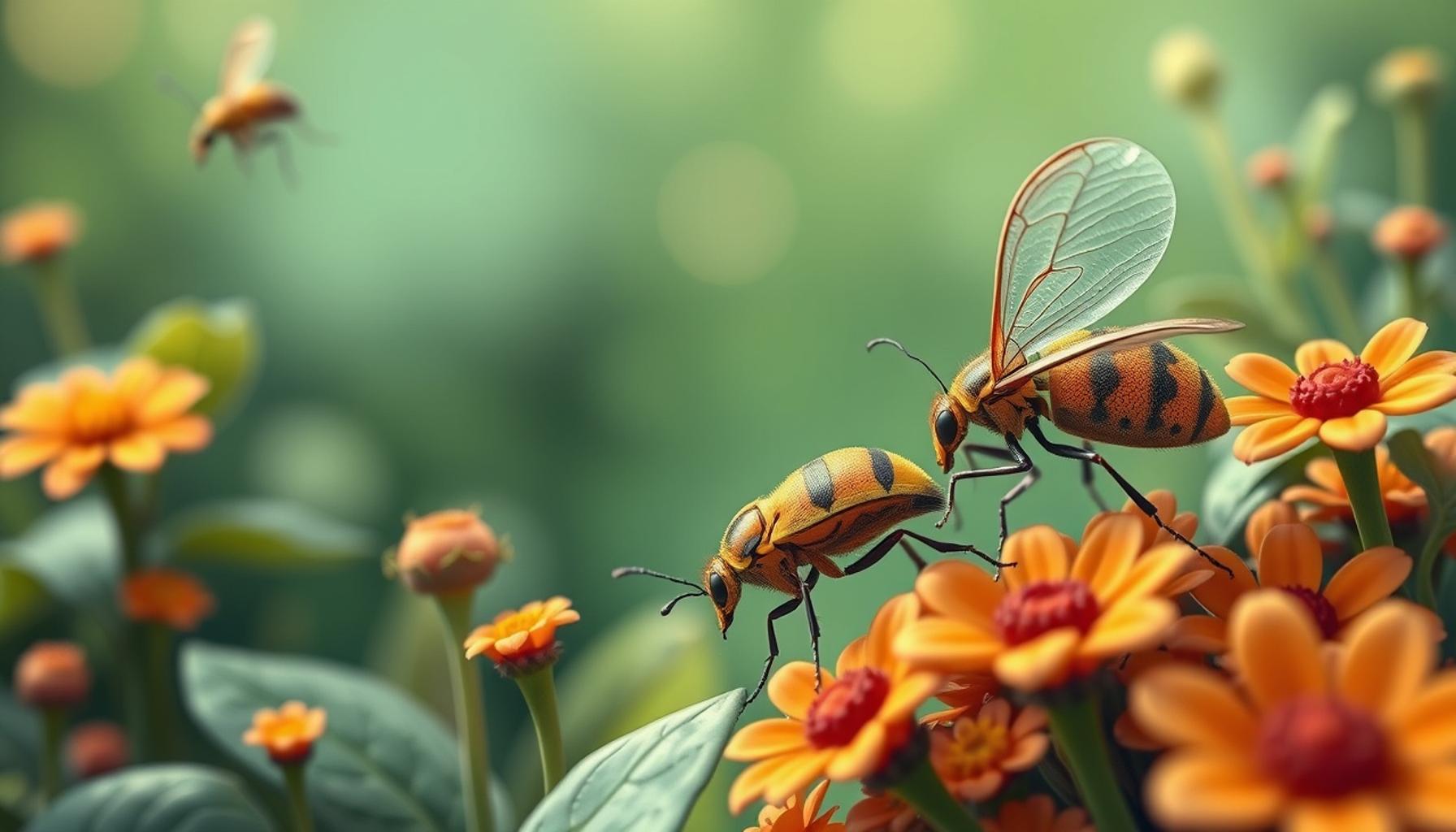
In the world of gardening, achieving a harmonious ecosystem is essential for the health and productivity of your plants. For new gardeners, understanding the crucial role of beneficial insects can revolutionize pest management strategies and foster a thriving garden. These tiny allies serve as natural protectors, tirelessly working to defend your plants from harmful pests.
Among the numerous reasons why beneficial insects are indispensable, the three most impactful are their role as natural predators, their contribution to pollination, and their enhancement of soil health.
Natural Predators
Many beneficial insects act as natural predators, helping to control pest populations without the need for chemical interventions. For instance, ladybugs, also known as ladybird beetles, consume large quantities of aphids, a common pest that can devastate plants. Similarly, lacewings and predatory wasps target caterpillars and other damaging insects. By maintaining a balanced population of these beneficial predators, gardeners can significantly reduce the need for synthetic pesticides, promoting a safer and healthier gardening environment.
Pollination
Another significant benefit provided by beneficial insects is pollination. Pollinators, such as bees and butterflies, play a critical role in the reproductive processes of flowering plants. According to the U.S. Department of Agriculture, about one-third of the food Americans consume depends on pollinators. By attracting these insects to your garden, not only can you improve fruit and vegetable yields, but you also contribute to the overall health of the ecosystem. A diverse range of flowers can create an inviting habitat for pollinators, ensuring a vibrant and productive garden.
Soil Health
Lastly, certain beneficial insects, like ground beetles and nematodes, contribute to soil health and fertility. They help aerate the soil, promoting better water infiltration and root development. Furthermore, these insects participate in nutrient cycling, breaking down organic matter into forms that plants can easily absorb. Healthy soil is the foundation of a flourishing garden, and insects can play a pivotal role in maintaining its vitality.
Introducing beneficial insects into your gardening practices leads to a more sustainable approach to pest management. By fostering these populations, new gardeners can greatly minimize their reliance on chemical pesticides, promoting an organic gardening environment that is both environmentally responsible and rewarding.
In the following sections, we will delve into effective strategies for attracting and sustaining a healthy ecosystem of beneficial insects. With each new understanding, you can build a flourishing garden and enjoy bountiful harvests. The journey toward a productive garden starts with recognizing and nurturing these unsung heroes of horticulture.
DIVE DEEPER: Click here to learn about soil types and preparation
Understanding the Spectrum of Beneficial Insects
To effectively employ beneficial insects in your gardening practices, it’s essential first to recognize and understand the various types of these helpful creatures. Beneficial insects can be categorized into three main groups, each playing a unique role in pest management: predators, parasitoids, and pollinators. Each group contributes to the overall health of your garden ecosystem in distinct ways.
Predators
As mentioned earlier, predators like ladybugs and lacewings are integral for keeping pest populations in check. These insects not only devour harmful pests but also help maintain a balanced food web within your garden. Here are some notable predator insects to consider:
- Ladybugs: A single ladybug can consume up to 5,000 aphids in its lifetime.
- Hoverflies: Their larvae feed on aphids and are often mistaken for wasps due to their appearance.
- Praying Mantises: These formidable hunters will eat just about any insect they can catch.
Encouraging and protecting these predator populations will not only reduce pest numbers but also create a balanced ecosystem within your garden.
Parasitoids
Parasitoids, such as certain species of wasps, serve a unique role in pest management by laying their eggs within or on the body of their host insects. As the larvae develop, they consume the host, ultimately leading to its demise. This behavior makes parasitoids exceptionally effective at controlling pest populations. Key parasitoid insects include:
- Parasitic Wasps: Several species target specific pests like caterpillars, aphids, and whiteflies.
- Tachinid Flies: These flies are well-known for their ability to parasitize a variety of caterpillars.
By promoting a habitat that attracts parasitoids, gardeners can harness nature’s own systems of pest control.
Pollinators
Pollinators, though not direct pest managers, are essential for the productivity and vitality of your garden. By fostering a thriving community of pollinators, you assure good pollination rates for your fruiting plants. Essential pollinators commonly found in gardens include:
- Honeybees: Key players in pollination, honeybees can visit thousands of flowers each day.
- Bumblebees: Effective at pollinating plants that require vibrations for pollen release.
- Butterflies: Not only do they add beauty to your garden, but they also contribute to a vibrant ecosystem.
Creating a garden environment conducive to the needs of pollinators is crucial. Consider planting a variety of flowering plants that bloom at different times to provide a consistent food source throughout the growing season.
In summary, understanding the diversity of beneficial insects and their precise roles will enable new gardeners to formulate effective pest management strategies. By fostering these allies, not only can you reduce reliance on chemicals, but you can also create a more sustainable, self-regulating garden ecosystem.
| Category | Key Features |
|---|---|
| Predatory Insects | Control pest populations by preying on common garden pests. |
| Pollinators | Assist in the fertilization of flowering plants, leading to better yield. |
| Decomposers | Break down organic matter, enriching soil health and structure. |
| Natural Pesticides | Some beneficial insects produce substances that deter harmful pests. |
In the quest for a flourishing garden, understanding the pivotal role of beneficial insects in pest management is crucial for new gardeners. Integrating these insects into your gardening strategy not only promotes a healthier ecosystem but also reduces reliance on chemicals. One significant benefit is the presence of predatory insects, such as ladybugs and lacewings, which effectively hunt down aphids and other common pests. Additionally, pollinators, like bees and butterflies, are instrumental in enhancing fruit and vegetable yield, making garden produce more abundant.Moreover, decomposers, such as certain beetles and ants, contribute to the decomposition of organic matter. This process enriches soil health, ensuring that the plants are well-nourished. Lastly, some beneficial insects also act as natural pesticides, emitting substances that repel harmful pests, thus providing an added layer of protection for your garden. By fostering these insect populations, new gardeners can promote sustainable practices that align with organic gardening principles.
DIVE DEEPER: Click here to learn why soil preparation is essential
Creating a Beneficial Insect Habitat
New gardeners must recognize that attracting beneficial insects is not just about introducing them to the garden but also creating an environment that supports their populations. The establishment of a beneficial insect habitat may involve several elements, including plant diversity, shelter, and water sources, each playing a pivotal role in ensuring the health and sustainability of these helpful species.
Plant Diversity
The variety of plants you choose to cultivate directly influences the types of beneficial insects able to thrive in your garden. Incorporating a mix of native plants, herbs, and flowering species can significantly enhance biodiversity. For instance, flowering plants like marigolds attract ladybugs and lacewings, while herbs such as dill and parsley draw in parasitic wasps. These plants not only provide nourishment but also serve as a habitat for larval development. To maximize their effectiveness, aim for plants that flower at different times throughout the season, ensuring that beneficial insects find food year-round.
Providing Shelter
Just as important as plant diversity, providing shelter is crucial for protecting beneficial insects. Gardeners can encourage populations of these insects by incorporating natural elements. Leaf litter, stacks of rocks, and small brush piles can create hiding places for insects needing refuge from harsh weather or predators. Additionally, installing insect hotels can offer nesting space for solitary bees, while ensuring there are areas for ground-dwelling insects to reside. The goal is to create an ecosystem that allows these insects to reproduce and continue thriving.
Water Sources
Water is vital to all forms of life, including beneficial insects. A shallow water source such as a birdbath or a small pond can serve multiple purposes: providing hydration for beneficial insects and attracting them to your garden. Ensure that the water source contains stepping stones or pebbles, allowing insects to access water safely without the risk of drowning. Regular maintenance, including changing the water frequently, will also help it remain free of algae and bacteria, creating a cleaner and more inviting habitat.
Reducing Pesticide Usage
One of the most critical actions new gardeners can take in promoting beneficial insects is to reduce pesticide use. Many common pesticides are not selective and can harm beneficial insect populations alongside their intended targets. Instead, gardeners should consider organic alternatives such as botanical insecticides or integrated pest management (IPM) strategies. IPM focuses on using a combination of biological control methods, including the encouragement of beneficial insects, along with monitoring pest populations and applying treatments only when necessary.
Furthermore, familiarizing oneself with pest identification is vital; understanding which insects are harmful and which are helpful is paramount in guiding pest management practices. By minimizing chemical interventions and maximizing the presence of beneficial insects, gardeners can cultivate a thriving ecosystem that efficiently manages pests while promoting plant health.
Incorporating these practices can transform your garden into a sanctuary for beneficial insects, ensuring they play a crucial role in pest management and overall ecosystem health. This process, while requiring some effort and time, ultimately leads to happier, healthier plants and a more rewarding gardening experience.
DIVE DEEPER: Click here to explore the essential tools for starting your home garden
Conclusion
In the vibrant symphony of a thriving garden, beneficial insects play an essential role that new gardeners must appreciate and embrace. By cultivating a habitat that supports these invaluable allies, such as fostering plant diversity, providing necessary shelter, and ensuring accessible water sources, gardeners can create a supportive ecosystem. The natural pest control provided by these insects not only enhances plant health but also reduces the reliance on harmful chemical pesticides, promoting a sustainable gardening approach.
The journey into gardening should be about more than just growing plants—it’s about fostering a balanced environment where beneficial insects can flourish. By learning to identify both pests and beneficial species, new gardeners can craft a personalized strategy that honors nature’s balance. An integrated pest management (IPM) approach, coupled with organic alternatives, empowers gardeners to manage pest populations responsibly while keeping beneficial insects at the forefront.
Ultimately, the incorporation of beneficial insects into pest management is a cornerstone of successful gardening. Their presence brings remarkable benefits, leading to healthier plants and a happier gardener. As you nurture your garden, remember that a little effort in creating a welcoming environment for these insects will yield fruitful results. Committing to this sustainable practice is not only an investment in your garden’s future but also a significant step toward ecological stewardship.